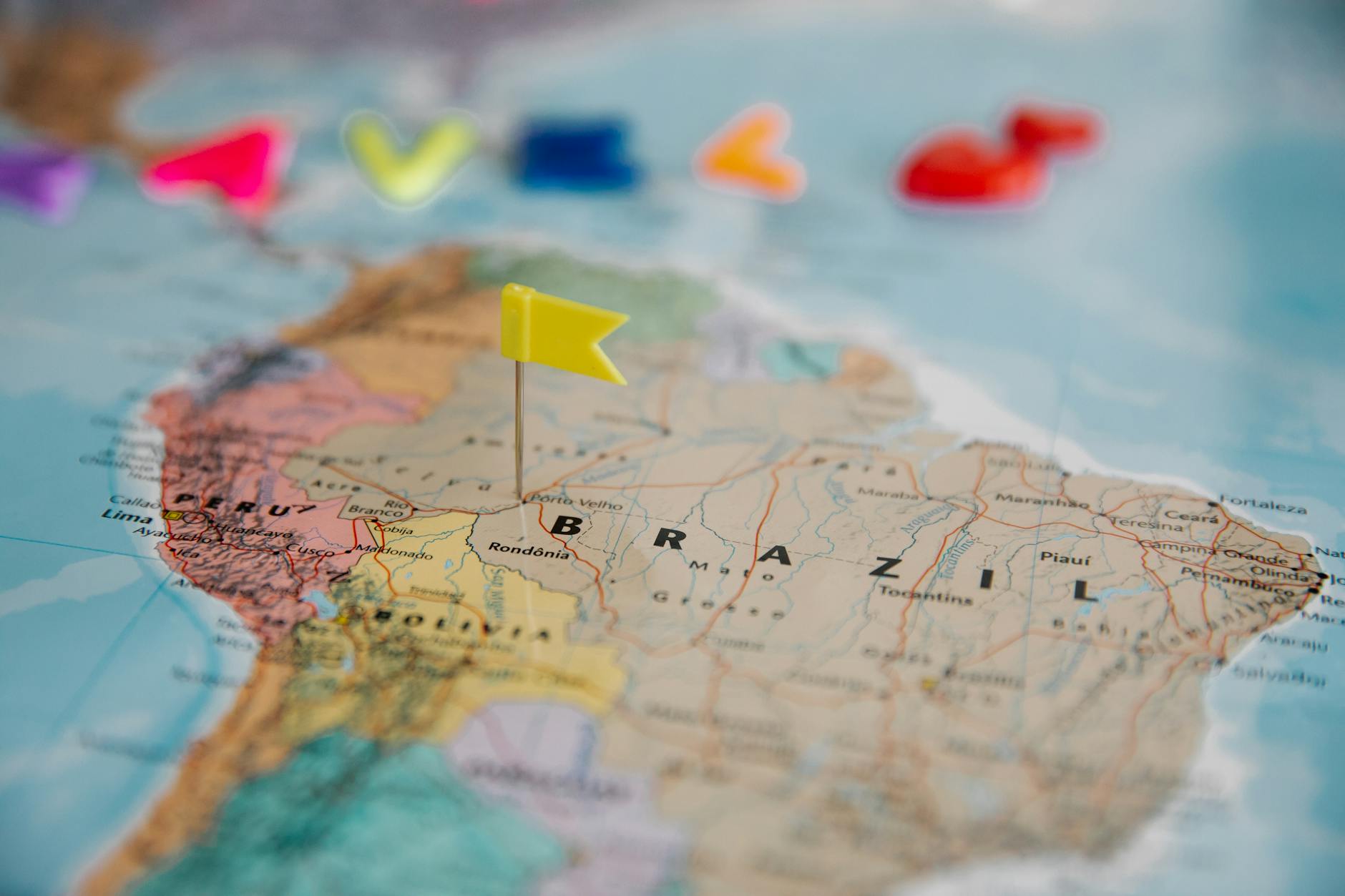
Slavery shaped South American history on a vast scale, and nowhere was that more visible than in Brazil. Nearly 40% of all African slaves trafficked to the Americas were taken there, and an estimated 4.9 million enslaved Africans arrived in Brazil between 1501 and 1866. Those numbers alone reveal how central South America was to the Atlantic slave trade.
But this system did not appear out of nowhere. It grew out of colonization, collapsing Indigenous labor systems, plantation and mining economies, and brutal demands for labor. The result was a long era in which millions of people were forced into lives of exploitation, violence, and dispossession.
Watch the story on DeepSwipe
How slavery expanded in South America
When European colonists established control over South American lands, they needed workers for plantations, mines, and the wider colonial economy. In the earliest phases of settlement, colonists depended heavily on Indigenous labor. Native people were forced to work in European plantations and mines, and many were captured by expeditions to sustain colonial settlement.
This system was devastating. European infectious diseases such as smallpox, influenza, measles, and typhus spread through native populations that had no immune resistance to them. At the same time, forced labor systems added further destruction.
Two terms are especially important here:
What were haciendas and the mit'a?
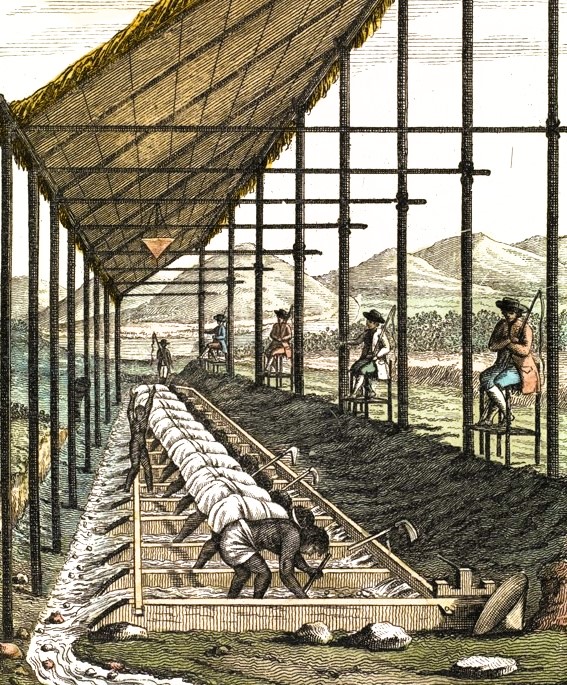
A hacienda was a large landed estate under colonial rule. These estates relied on labor to produce wealth, and Indigenous people were often drawn into harsh work systems tied to them.
The mit'a was a forced labor system linked especially to mining. Rather than free employment, it compelled people to supply labor for colonial extraction. In practice, systems like the haciendas and the mining industry's mit'a contributed to large-scale depopulation.
As Indigenous populations were reduced by disease and exploitation, colonists turned increasingly to enslaved Africans. According to the historical record, enslaved Africans were brought in quickly to replace labor that had been lost.
Why so many enslaved Africans were sent to Brazil
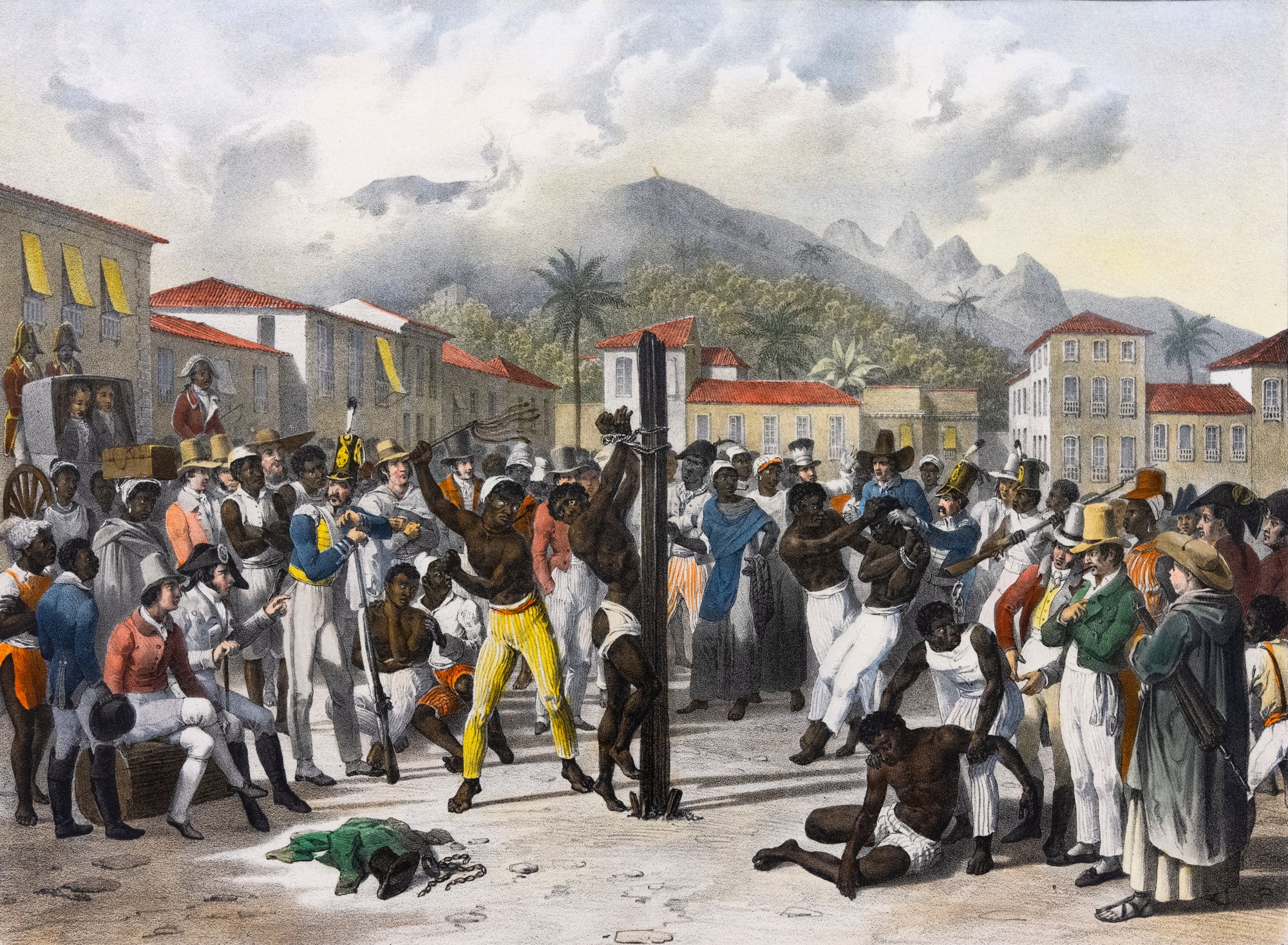
The slave trade brought enslaved Africans primarily to South American colonies beginning with the Portuguese in 1502. The main destinations in this phase were the Caribbean colonies and Brazil, where European powers were building slave-dependent colonial economies.
Brazil stood out above all. Nearly 40% of all African slaves trafficked to the Americas went to Brazil, making it the single biggest destination in the transatlantic system described here. Between 1501 and 1866, an estimated 4.9 million enslaved Africans arrived there.
This enormous forced migration was tied to colonial labor demand. Brazil, under Portuguese rule, became deeply connected to plantation production and other forms of labor exploitation. The scale of arrivals shows how dependent the colony became on slavery.
Indigenous enslavement and African slavery were both part of the system
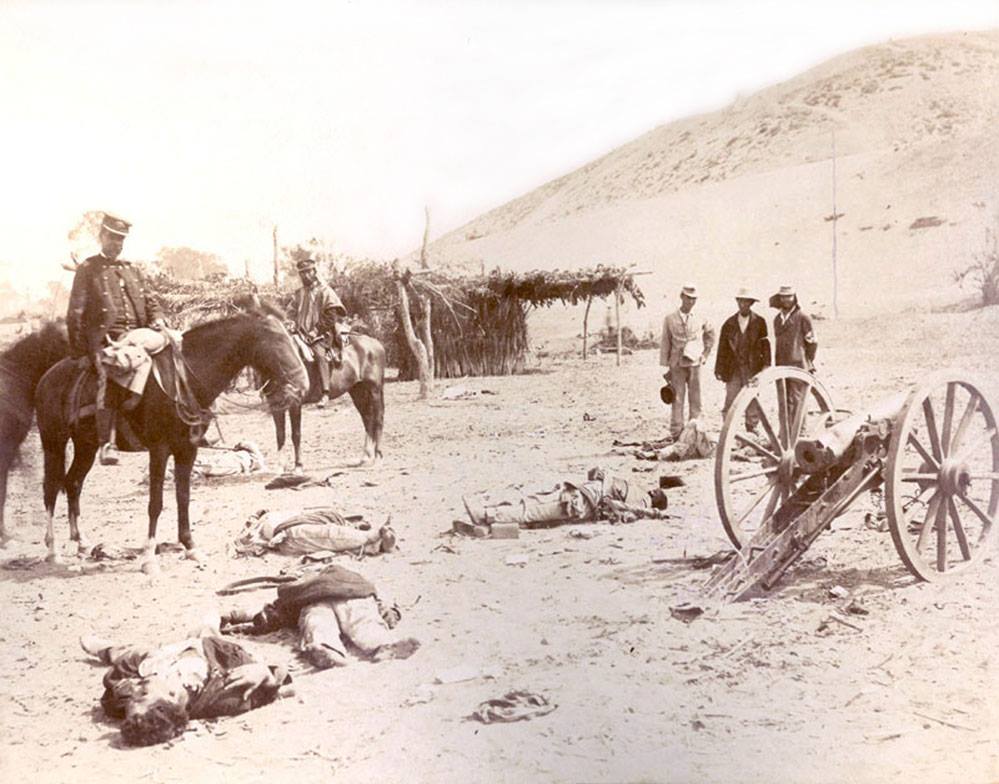
A common misunderstanding is that African slavery immediately replaced all other forms of coercion. In reality, multiple systems overlapped.
In Spanish colonies, colonists mainly enslaved Indigenous Americans. In Portuguese Brazil, Indigenous enslavement also continued for a long time. The Portuguese Crown only abolished the enslavement of Indigenous peoples in colonial Brazil in 1750, partly under the belief that they were unfit for labor and less effective than enslaved Africans.
That decision did not end exploitation. It shifted the labor system even more strongly toward the trafficking of enslaved Africans.
The Atlantic crossing: a voyage under inhuman conditions
The transportation of enslaved Africans was itself an atrocity. They were brought across the Atlantic on slave ships under inhuman conditions and subjected to ill-treatment. Those who survived the voyage were sold in slave markets.
This was not just migration under coercion. It was a system of human trafficking built on violence from beginning to end: capture, forced transport, sale, and lifelong enslavement.
The phrase Atlantic slave trade refers to this ocean-based trafficking network linking Africa, the Americas, and European colonial powers. In South America, it fed labor systems that had already been shaped by conquest, disease, and the destruction of Indigenous communities.
Slavery survived even after independence
Political independence did not mean immediate freedom for enslaved people. After South American countries broke from Spain and Portugal, all of them maintained slavery for some time.
That fact is striking. New nations emerged, governments changed, and colonial rule ended, but slavery remained embedded in society and the economy.
The end of slavery came gradually, country by country:
- Chile abolished slavery in 1823
- Uruguay in 1830
- Bolivia in 1831
- Guyana in 1833
- Colombia and Ecuador in 1851
- Argentina in 1853
- Peru and Venezuela in 1854
- Suriname in 1863
- Paraguay in 1869
- Brazil in 1888
This timeline shows that abolition was uneven across the continent. Some countries moved relatively early, while others preserved the institution for decades longer.
Why Brazil’s abolition in 1888 mattered so much
Brazil was the last South American nation to abolish slavery, doing so in 1888. It was also the last country in the Western world to abolish it.
That date matters because Brazil had received the largest number of enslaved Africans in the Americas described here. The country was central both to the expansion of slavery and to its exceptionally late end.
By the time abolition came, slavery had already shaped Brazil for centuries. It had influenced population patterns, labor systems, and the broader history of the continent.
Slavery and the making of South American societies
The social impact of slavery in South America was immense. The continent’s cultural and ethnic outlook emerged from interactions among Indigenous peoples, European conquerors and immigrants, and African slaves. That mix became one of the defining features of South American societies.
In other words, slavery was not only an economic institution. It was also a force that transformed populations, communities, and identities across the continent.
South America’s history of colonialism helps explain why these changes were so sweeping. European powers did not simply rule territory; they reorganized labor, redirected resources, imposed new political systems, and moved huge numbers of people through violence and coercion.
A brutal system with a long shadow
The history of slavery in South America is a history of extraction. Colonists exploited land, labor, and natural resources, first through Indigenous labor systems and then through the massive importation of enslaved Africans.
Brazil became the clearest symbol of that system because of the sheer number of people taken there. Yet the wider continental story matters too: slavery touched every South American country for a time, and abolition came only after a long and uneven struggle.
Understanding this history means recognizing several linked realities: the collapse of native populations under disease and forced labor, the rise of the Atlantic slave trade, the scale of human suffering on slave ships and in slave markets, and the fact that independence did not immediately bring freedom.
It also means confronting the timeline. Chile abolished slavery first among South American nations. Brazil ended it last, in 1888, closing one of the darkest chapters in the history of the continent only after centuries of enslavement.