When the body senses injury or infection, one of its earliest and most noticeable reactions is inflammation. It is the fast, visible warning system of immunity: redness, swelling, heat, and pain. These signs may feel unpleasant, but they are part of a coordinated response designed to protect tissue, bring in help, and start repair.
Inflammation begins when injured or infected cells release chemical signals. Those signals change blood flow in the affected area and summon immune cells to move in quickly. In many cases, this response is one of the first clues that the immune system has detected trouble.
Watch the story on DeepSwipe

Why inflammation happens
The immune system protects the body through layered defenses. Physical barriers such as skin and mucus help keep pathogens out, but when those barriers are breached, the innate immune system reacts immediately. This branch of immunity is fast and non-specific, meaning it does not need to learn the exact identity of a threat before responding.
Inflammation is a major part of that immediate defense. It helps the body contain infection, remove harmful material, and support healing after damage. The classic symptoms happen for a reason. Increased blood flow contributes to redness and heat. Fluid and immune-cell movement into tissues contribute to swelling. Pain appears as the affected area becomes chemically and physically stressed.
The process is driven by signaling molecules released by injured or infected cells. Among the key players are eicosanoids and cytokines.
Eicosanoids are chemical messengers involved in inflammation. Prostaglandins can produce fever and help dilate blood vessels, while leukotrienes attract certain white blood cells. Cytokines are another broad class of immune signals. Interleukins help white blood cells communicate with one another, chemokines guide immune cells toward the trouble spot, and interferons have antiviral effects, including shutting down protein synthesis in host cells.
Together, these signals act like a biological alarm system: detect danger, broadcast the warning, and direct the response.
The first responders: neutrophils, macrophages, and dendritic cells
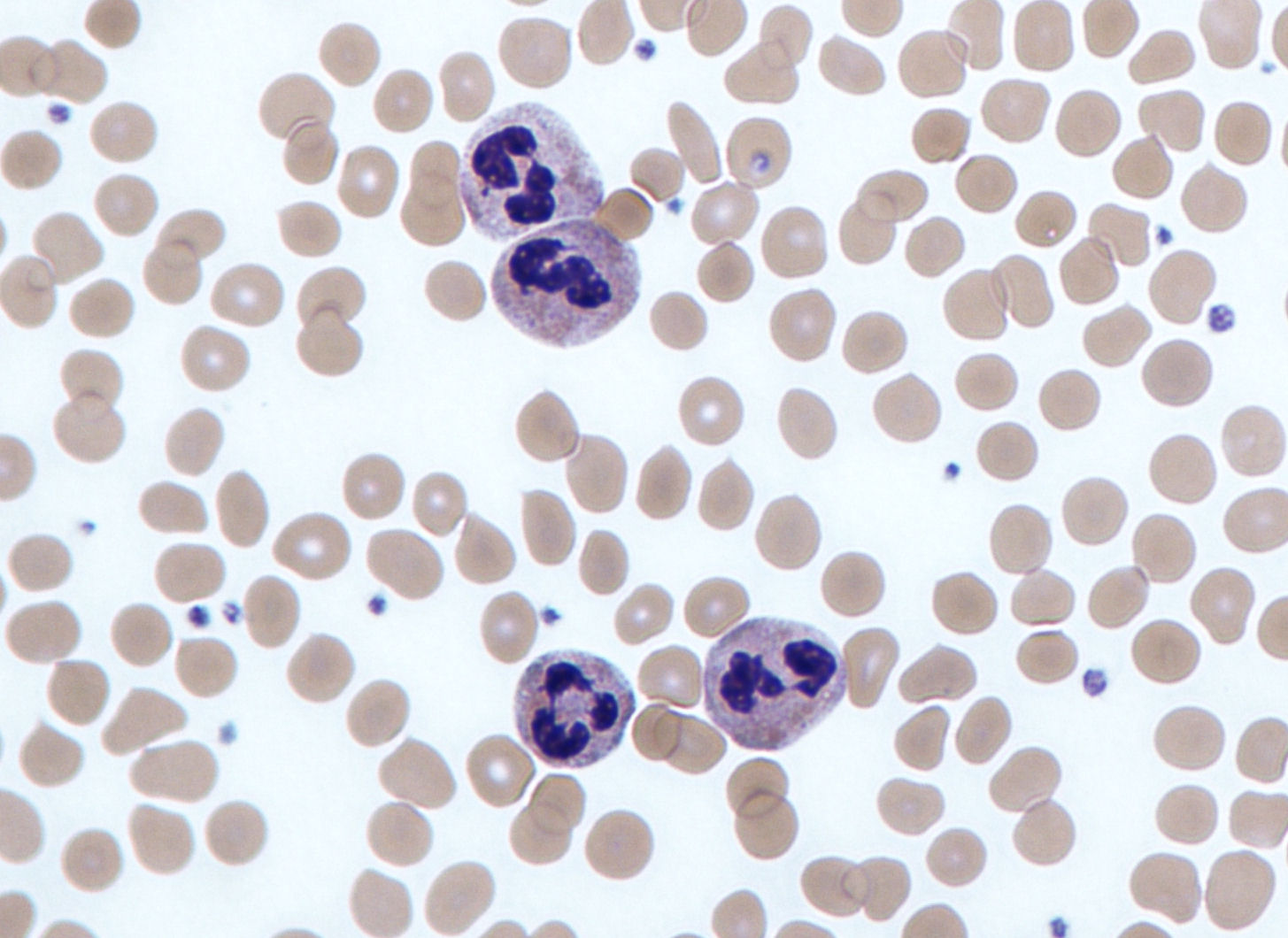
Once inflammatory signals are released, immune cells begin to converge on the affected tissue.
Neutrophils are usually the first cells to arrive at the scene of infection. These white blood cells circulate in the bloodstream and are the most abundant type of phagocyte in circulation, making up 50% to 60% of total circulating leukocytes. During acute inflammation, they move toward the damaged or infected area through a process called chemotaxis, which means directed movement in response to chemical signals.
Neutrophils are phagocytes, cells that engulf harmful particles or microbes. After engulfing a pathogen, the neutrophil traps it inside a compartment called a phagosome. That phagosome can fuse with a lysosome, another cell compartment filled with digestive enzymes, forming a phagolysosome. Inside it, the pathogen can be destroyed by enzymes or by a respiratory burst, which releases free radicals.
Macrophages also play a central role. These are versatile immune cells that live in tissues rather than simply circulating in blood. Like neutrophils, they can engulf pathogens and debris. But macrophages do more than cleanup. They produce enzymes, complement proteins, and cytokines, helping to shape the wider immune response. They also act as scavengers, removing worn-out cells and damaged material from tissues.
Another important job of macrophages is antigen presentation. An antigen is a foreign molecule that can be recognized by the immune system and can trigger an immune response. By presenting antigens, macrophages help activate the adaptive immune system, the more specialized branch of immunity that can build memory against specific threats.
Dendritic cells are another major player in this handoff. Found mainly in places that contact the outside world, such as the skin, nose, lungs, stomach, and intestines, dendritic cells help monitor likely entry points for microbes. They are also phagocytes, and they serve as a crucial bridge between innate and adaptive immunity by presenting antigens to T cells.
In simple terms, if inflammation is the alarm, neutrophils are the rapid-response team, macrophages are the cleanup and coordination crew, and dendritic cells are the messengers that help mobilize the next wave of defense.
How the body senses danger in the first place
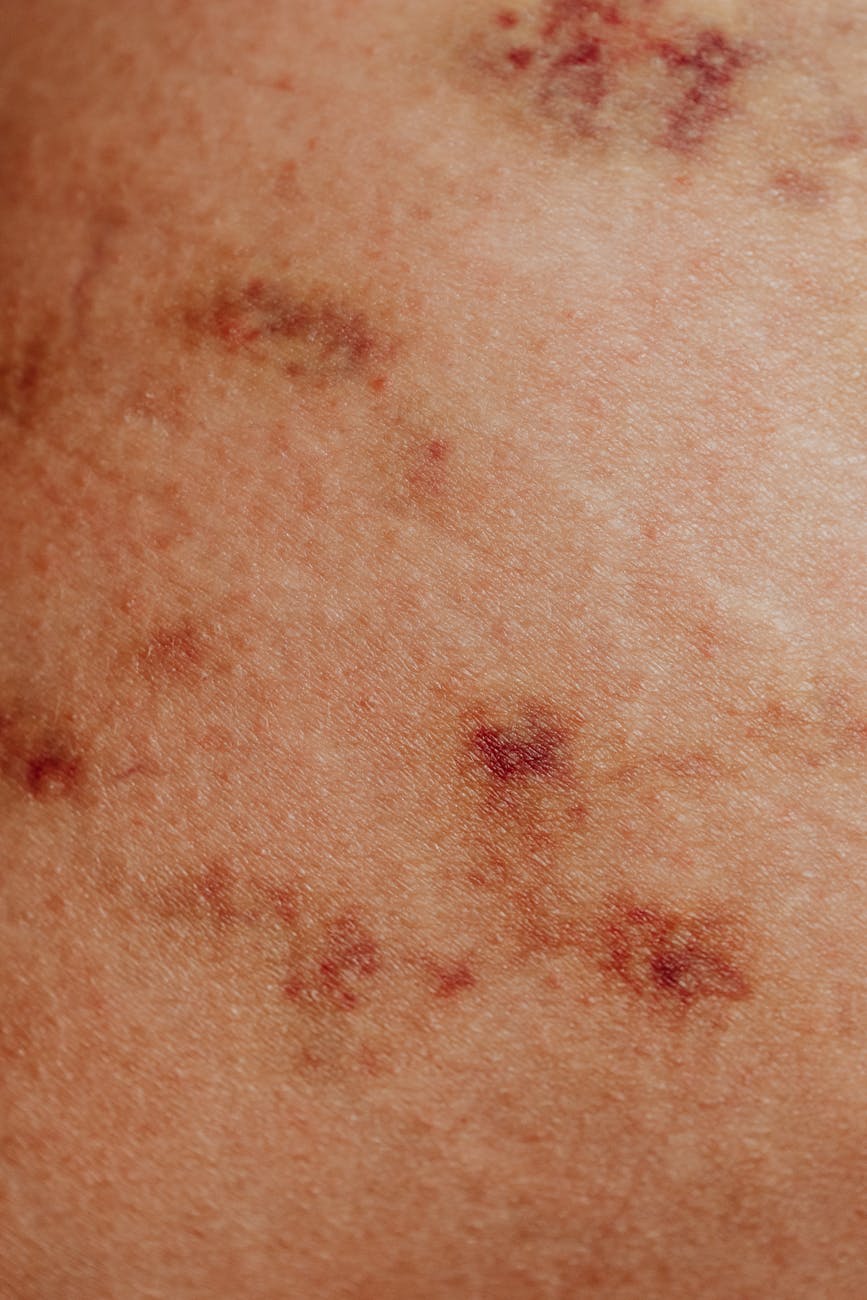
For inflammation to begin, the immune system first has to recognize that something is wrong. Cells of the innate immune system use pattern recognition receptors to detect danger signals.
These receptors recognize two broad kinds of molecular clues. One is pathogen-associated molecular patterns, or PAMPs, which are molecular structures commonly found in microbes. The other is damage-associated molecular patterns, or DAMPs, which are molecules released by the body’s own cells when they are injured, stressed, or dying.
This distinction matters because inflammation is not triggered only by infection. It can also begin after tissue injury. The immune system is built to respond both to invading microbes and to signs that the body’s own cells are in distress.
Some of these sensors are toll-like receptors, or TLRs, which detect extracellular or endosomal PAMPs and help trigger cytokine production and other defense programs. Another important set of inflammatory sensors forms structures called inflammasomes. These are multiprotein complexes that respond to cytosolic PAMPs and DAMPs and generate active forms of inflammatory cytokines such as IL-1β and IL-18.
So the alarm does not ring randomly. It is triggered by molecular evidence of infection, injury, or cell damage.
Inflammation helps, but it can also harm
Inflammation is protective, but it is not gentle. The same response that helps remove pathogens and damaged material can also injure the body’s own tissues.
This is part of why inflammation is often painful and disruptive. Immune cells release potent chemicals. Blood vessels become more permeable. More cells flood into the area. All of this helps control danger, but if the response is excessive, prolonged, or poorly targeted, tissue damage can follow.
In some cases, inflammation can even appear without a known cause. This kind of idiopathic inflammation is still associated with many of the same signaling molecules, including prostaglandins, leukotrienes, interleukins, chemokines, and interferons. Even without a clearly identified trigger, the body can generate an inflammatory response that affects tissue health and comfort.
This is one reason immune dysfunction can be so serious. The immune system must strike a balance: active enough to defend the body, but controlled enough to avoid unnecessary damage.
Inflammation and healing are closely linked
Although inflammation is best known for its role in fighting infection, it also helps launch tissue repair. After harmful material is removed, immune signals promote healing of damaged tissue.
The innate immune system plays a decisive role in tissue repair after an insult. Macrophages and neutrophils are key actors here as well, joined by other immune cells including γδ T cells, innate lymphoid cells, and regulatory T cells. Effective repair depends on the balance between pro-inflammatory and anti-inflammatory signals.
That balance is crucial. Too little early inflammation may weaken defense and cleanup. Too much ongoing inflammation may slow recovery or damage tissue further. The immune system is therefore not just a weapon system, but also a regulator of recovery.
Why understanding inflammation matters
Inflammation is easy to recognize on the surface, but beneath those familiar symptoms is a complex immune conversation. Cells sense infection or injury. Chemical messengers spread the alarm. Neutrophils arrive first. Macrophages and dendritic cells deepen the response, clear damage, and help connect immediate defense to longer-term immunity.
This makes inflammation one of the most important early events in the body’s defense system. It is fast, powerful, and essential. But it also comes with trade-offs. The very process that protects tissue can, under some conditions, become a source of tissue damage or a lingering problem.
In other words, inflammation is not just swelling or soreness. It is the immune system announcing that something is wrong, sending in reinforcements, and trying to restore order as quickly as it can.