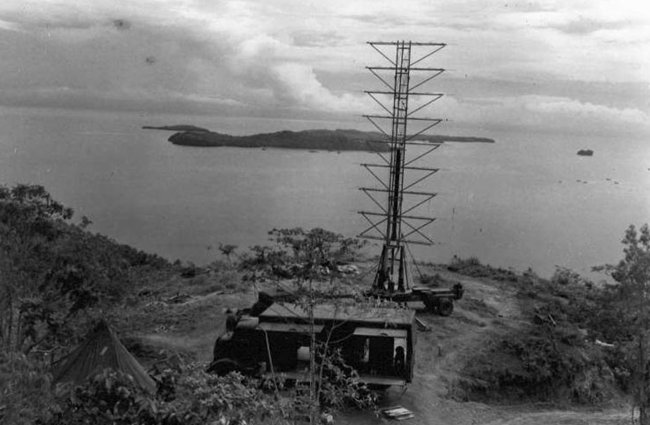
SCR-270 radar installation. Operators at a similar installation at Opana on the northern tip of Oahu detected and tracked unknown aircraft, starting around 7:02 am, that were approaching from the North. These turned out to beJapanese planes on their way to attack Pearl Harbor about 50 minutes later. However their report was not acted upon.

Pearl Harbor Was Not a Complete Surprise

As the first wave approached Oahu, a US Army radar station detected it. The operators reported a large target, but a newly assigned officer assumed it was a scheduled group of B-17 bombers from California.

Pearl Harbor: The Warnings That Failed

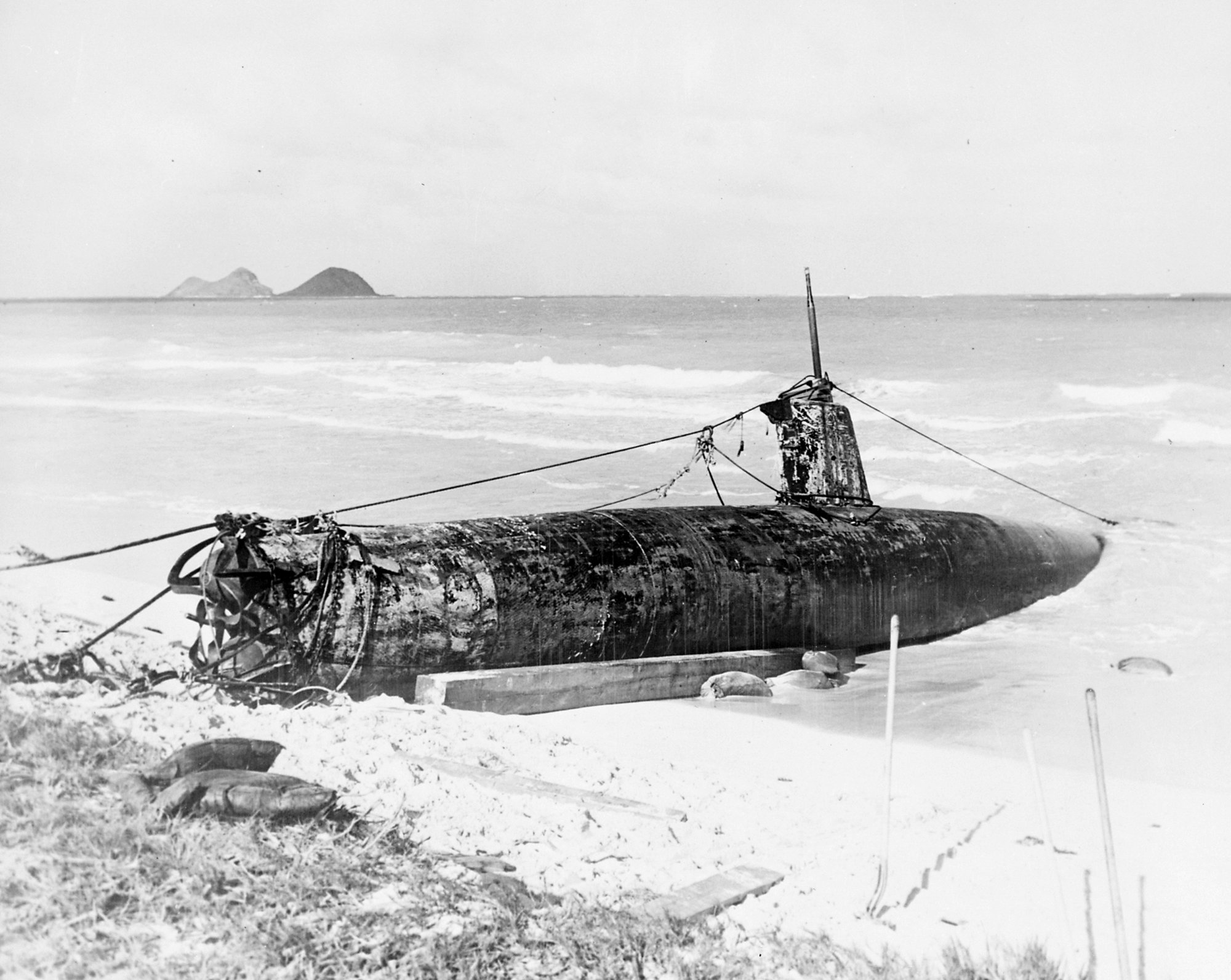
The Japanese "Type A" midget submarine HA-19 partially hauled up on and eastern Oahu beach, during salvage by U.S. forces. It had grounded on 7 December 1941, following attempts to enter Pearl Harbor during the Japanese attack, and was discovered the following day.

Warnings Came Too Late

There were also reports from near the harbor entrance, including a midget submarine sighting before the air attack began. But the signals were still being processed, questioned, or misunderstood as the strike started at 7:48 a.m.

Pearl Harbor: The Warnings That Failed

Pearl Harbor: The Warnings That Failed | DeepSwipe