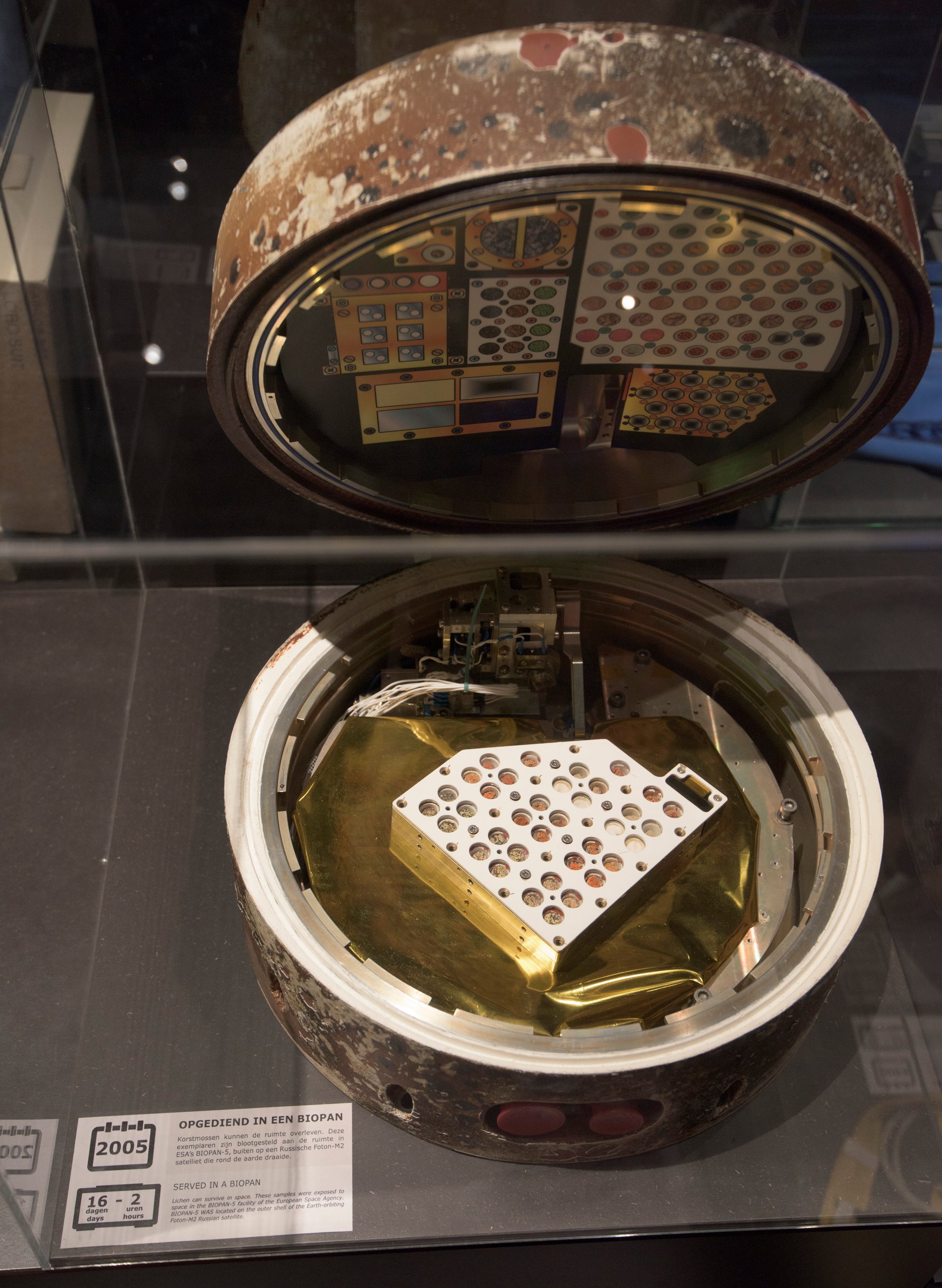
They went to space. Some came back alive.
Dehydrated tardigrades spent 10 days in outer space under vacuum or vacuum plus UV. When rehydrated, 68% of the UV-shielded ones revived, and many had viable embryos.Tardigrades vs Space: Water Bears in the Void
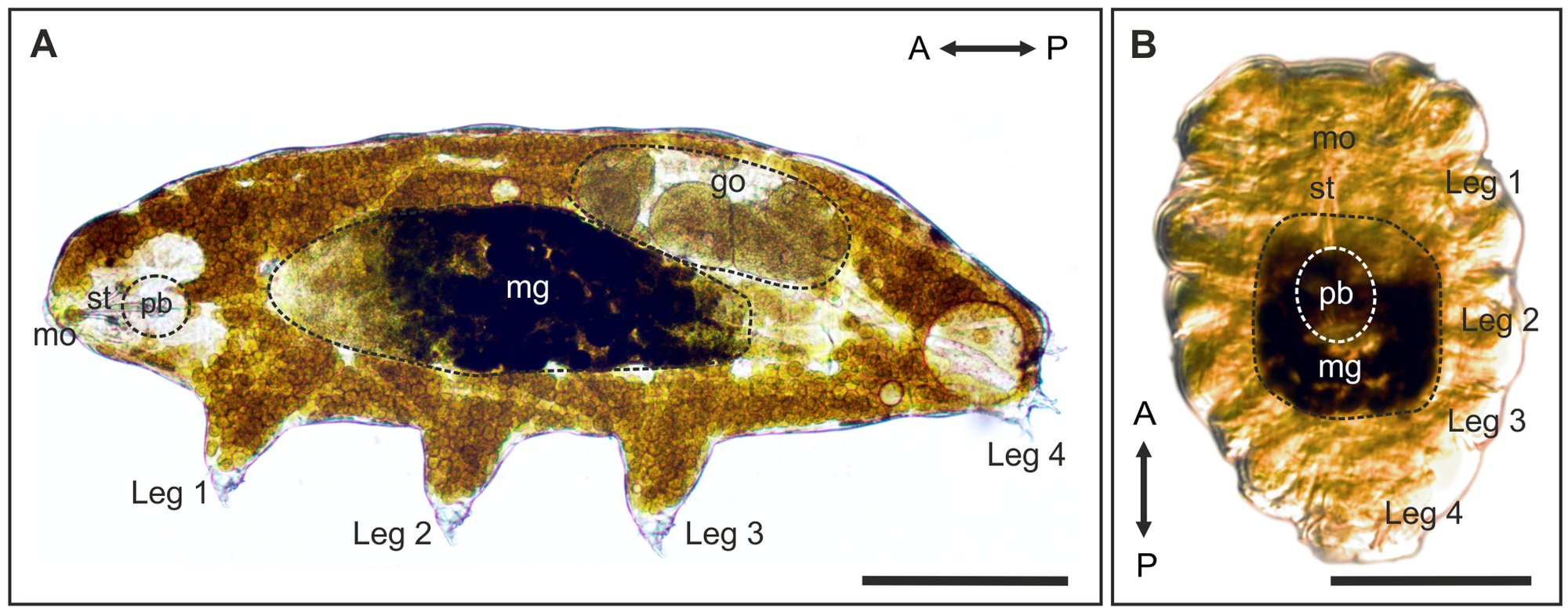
Tun mode wins. UV is the real killer.
Hydrated (not in a tun) samples exposed to vacuum and UV survived poorly—only three of the species Milnesium tardigradum made it. Vacuum alone barely affected egg-laying in two tested species, but UV reduced it in Milnesium tardigradum.Tardigrades vs Space: Water Bears in the Void
