Full article · 6 min read
Why Photography Is Literally “Drawing With Light”
Photography sounds poetic, but its name is also surprisingly literal. The word comes from the Greek words phos, meaning “light,” and graphê, meaning “drawing” or “writing.” Put together, photography means “drawing with light.” That phrase is not just a metaphor. It describes the basic process at the heart of every photograph: light from objects is recorded during a timed exposure to create a picture.
In the visual arts, photography sits alongside painting, drawing, sculpture, printmaking, filmmaking, architecture, design, and other image-based forms. What makes photography distinctive is that light itself does the mark-making. Instead of applying pigment with a brush or scratching a line with a tool, a photographer uses a camera to capture light patterns reflected or emitted from objects.
How a Photograph Is Made
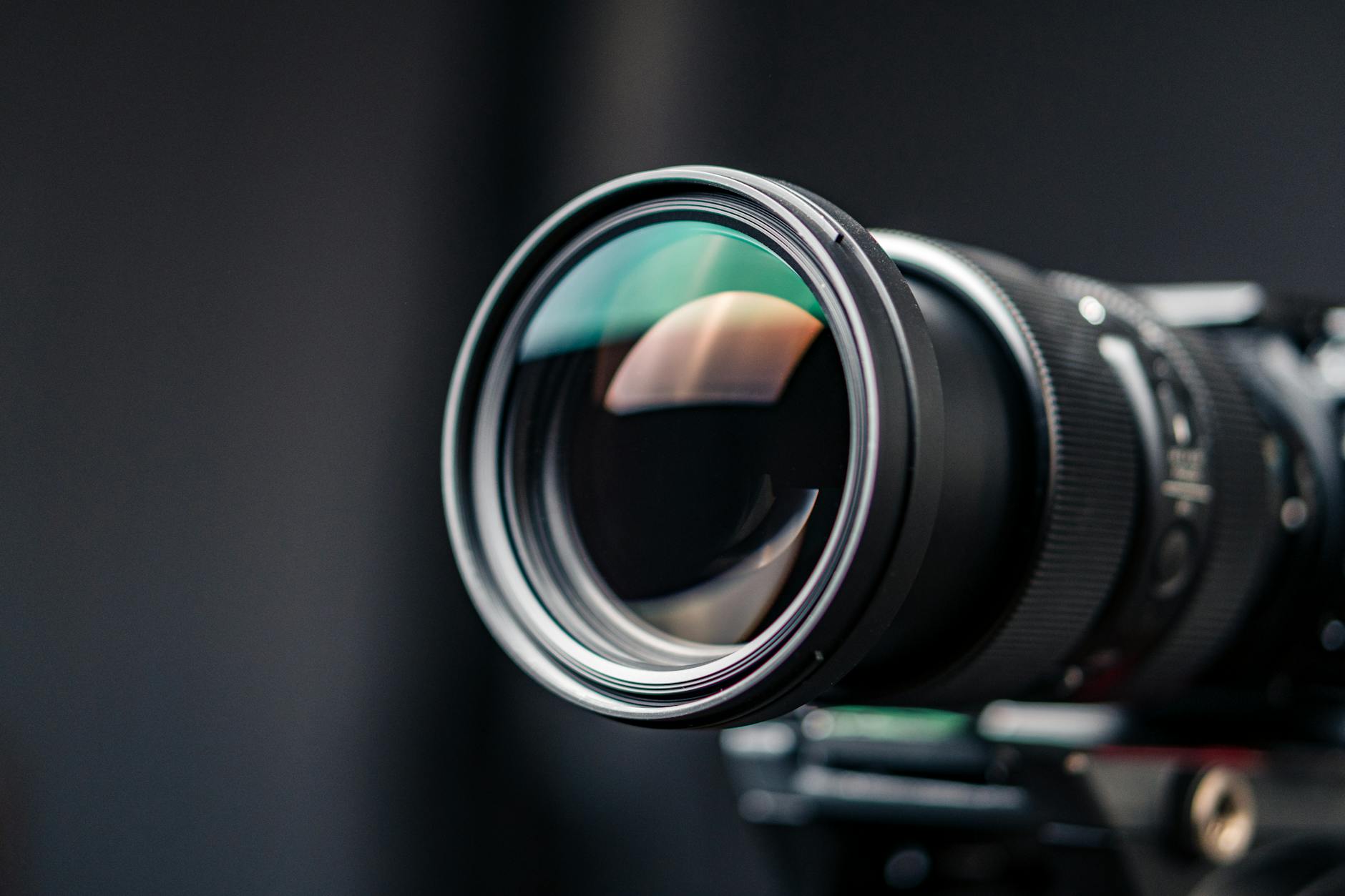
At its core, photography is the process of making pictures by means of the action of light. When you point a camera at a scene, light travels from the objects in front of you and reaches a sensitive medium or a storage chip. That incoming light is then recorded through a timed exposure.
An exposure is simply the period during which the camera allows light to be captured. This can happen through mechanical shutters or through electronically timed exposure of photons. A mechanical shutter is a physical device inside the camera that opens and closes to control how long light enters. In electronic systems, the timing is controlled digitally rather than by a moving barrier.
That recorded light can end up in chemical processing or in digitizing devices known as cameras. Either way, the principle is the same: light leaves a trace. That is why the name “drawing with light” is so fitting. The camera is not inventing the scene from scratch. It is recording light patterns produced by the world.
What “Light Patterns” Really Means
The phrase “light patterns” may sound technical, but the idea is simple. Objects around us reflect or emit light in different ways. A bright wall, a face in shadow, a glowing lamp, or sunlight hitting a window all create different visual patterns. Photography records those variations.
Because of this, photography is deeply tied to timing. A photograph captures not just a subject, but a moment in which light had a particular shape and intensity. Even a small change in exposure can alter the final result. In that sense, a camera does more than store a view. It traps a specific instant of light.
This is one reason photography became such an important part of the visual arts. It transforms passing visual information into a lasting image. The result may look effortless, but it depends on precise interaction between light, time, and a recording surface.
From Photograph to Image
Traditionally, the product of photography was called a photograph. The shorter word photo became a common abbreviation. But over time, the term image has become more widely used.
This shift reflects changes in how pictures are captured and understood. As electronic capture expanded, the older word photograph no longer covered the full range of visual output as neatly as before. “Image” is broader. It can refer to a traditionally captured photograph, but it also fits digital recording and the wider world of graphical representation in optics and computing.
That change in language shows how photography has evolved while keeping its core principle intact. Whether the result is called a photograph, a photo, or an image, it still begins with light being recorded.
Why Photography Belongs in the Visual Arts
The visual arts include forms such as painting, drawing, printmaking, sculpture, ceramics, photography, video, image-making, filmmaking, design, crafts, and architecture. Some disciplines that are not exclusively visual, such as conceptual art or textile arts, also involve visual elements.
Photography belongs naturally in this world because it creates pictures through visual means. Like drawing and painting, it deals with composition, appearance, and the transformation of what we see into an artwork or image. But unlike painting, where pigment is applied to a surface, photography depends on the action of light itself.
That difference makes photography one of the clearest examples of technology and art meeting each other. The process is mechanical or electronic, but the outcome is still part of the visual arts.
A Medium Shaped by Technology
Photography also helps explain a larger shift in the visual arts: artists are no longer limited to traditional media. In recent decades, computers and digital tools have blurred the lines between older art forms and newer ones.
The growing use of electronic capture connects photography to a wider digital environment. The broader use of the word image reflects that shift. A visual work may now move across photography, editing, design, animation, or other computer-based processes. As digital technologies spread, distinctions between photographers, illustrators, and photo editors have become less rigid.
This does not make photography any less photographic. It simply shows that “drawing with light” now takes place in a larger visual ecosystem, where recording, editing, and displaying images can happen through many interconnected tools.
Photography and Other Ways of Making Images
Looking at photography next to other visual arts makes its special character even clearer.
Drawing generally involves making marks on a surface by applying pressure with a tool or moving a tool across a surface. Painting involves applying pigment suspended in a carrier and binding agent onto a support such as paper, canvas, or a wall. Printmaking creates an image on a matrix and transfers it to a flat surface by means of ink or other pigmentation.
Photography works differently. Instead of building an image primarily through touch, it records one through exposure to light. That gives it a unique place among visual media. It is less about manually producing every mark and more about capturing the visual effects already present in the world at a specific instant.
Yet it shares something important with these older forms: all of them are ways of turning seeing into form.
The Lasting Power of “Drawing With Light”
The phrase “drawing with light” has lasted because it captures both the science and the beauty of photography. It explains the mechanics clearly: light is recorded onto a sensitive medium or storage chip during an exposure. But it also captures the wonder of the medium. Photography is not only a technical process. It is a way of making visible traces from light itself.
That is why the name still feels elegant. A photograph is more than a picture. It is the result of light meeting time, guided through a camera and fixed into an image.
So the next time you hear the word photography, remember that it is not just a label for taking pictures. It describes exactly what is happening. Every camera, whether mechanical or electronic, is performing a simple and remarkable act: drawing with light.
Sources
Based on information from Visual arts.
More like this
Capture more lightbulb moments for your brain — download DeepSwipe and turn every swipe into an image worth keeping.