Full article · 7 min read
Visual Arts: Why Printmaking Is So Powerful
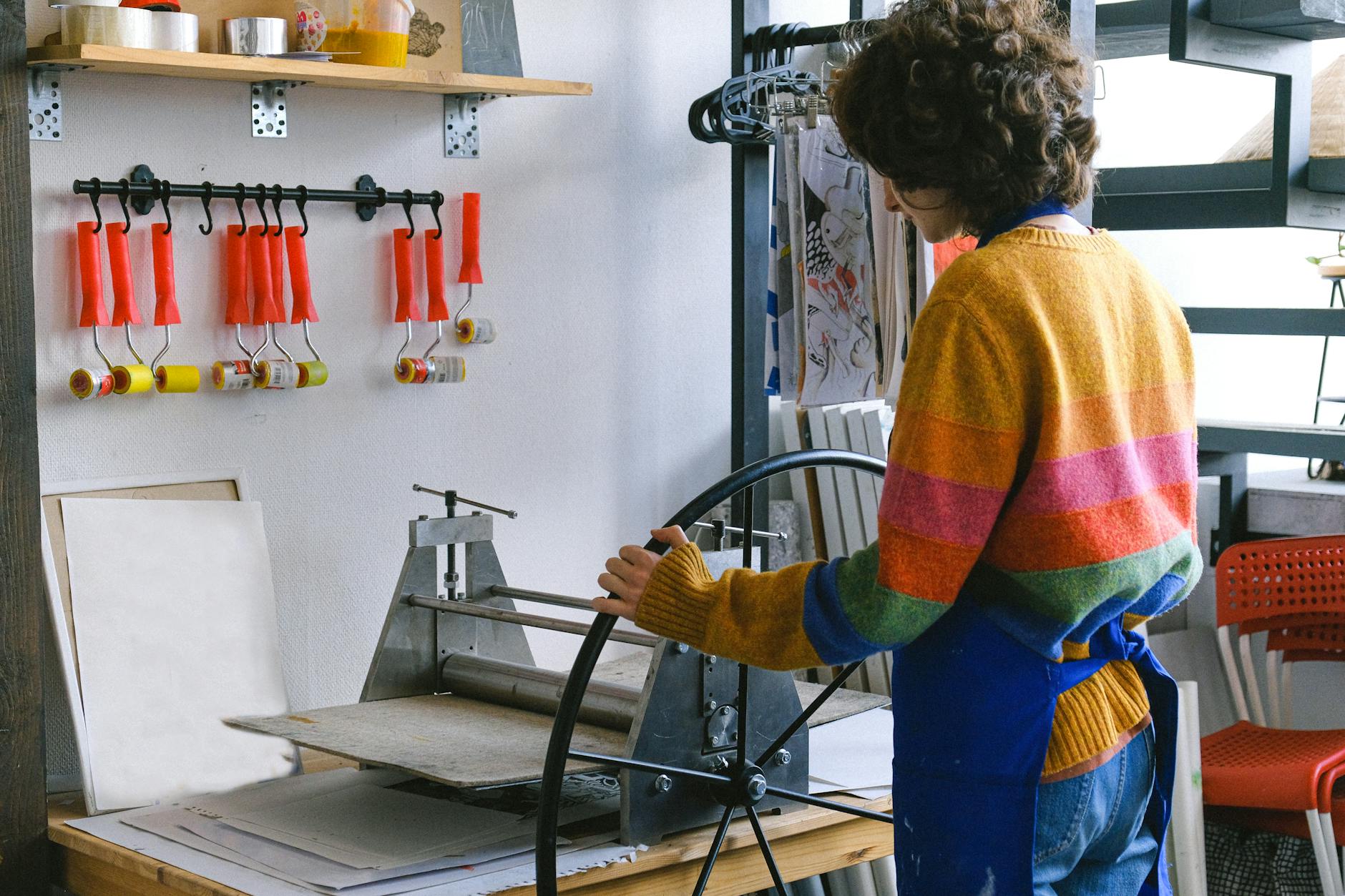
Printmaking holds a special place in the visual arts because it combines craft, planning, and repetition in a way few other art forms do. Instead of producing only one original image, an artist creates a design on a matrix and transfers it onto a flat surface using ink or another pigment. A matrix is the original surface used to make the print, such as a carved woodblock or an engraved plate. Once that matrix exists, it can be used again and again to produce multiple impressions.
That simple idea gives printmaking its unique power: one image can lead to many originals. Unlike a painting that usually exists as a single object, a print can be repeated from the same source. This makes printmaking both highly artistic and deeply connected to the history of communication, illustration, and visual culture.
What printmaking actually is
At its core, printmaking is the creation of an image on a matrix that is then transferred to a two-dimensional surface. In most cases, that surface is paper, though prints have also been made on cloth, vellum, and more modern materials. Vellum is a writing material traditionally made from animal skin, used long before modern paper became widespread.
Historically, several major techniques shaped the art form. These include woodcut, line engraving, etching, lithography, and screen printing, also called serigraphy or silk screening. Digital techniques are also part of printmaking today. Each method changes how lines, textures, and tones appear, but the central principle remains the same: the image is prepared on one surface and then printed onto another.
One important exception in printmaking is the monotype. Most printmaking methods are designed so the same matrix can produce many examples of the print. A monotype, by contrast, is a method that typically results in a single unique print.
One image, many originals
This repeatable nature is what makes printmaking so fascinating. It sits somewhere between singular artwork and reproducible image-making. Every print pulled from a matrix belongs to the same artistic creation, yet each impression can still carry subtle differences depending on inking, pressure, material, and handling.
That makes printmaking more than a copying process. It is a deliberate art form built around the idea of multiplication. The artist must think not just about the final image, but about how that image will behave when transferred. In woodcut, for example, the design is cut into a block and printed from it, so the process itself shapes the visual style.
China’s early breakthrough in printmaking
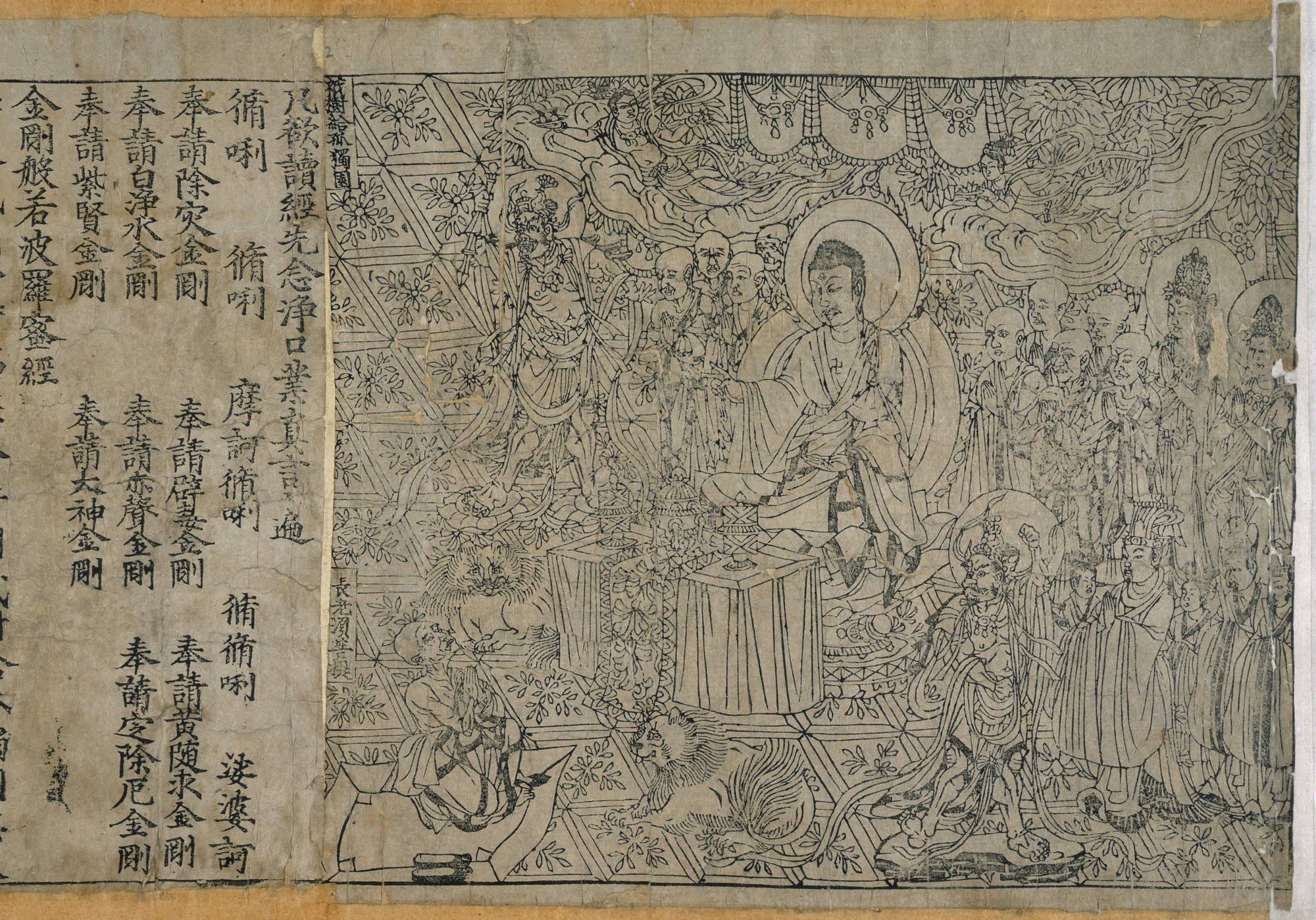
China played an early and major role in the development of printmaking. About 1,100 years ago, printmaking developed there as illustrations cut into woodblocks for printing on paper. At first, these images were mainly religious. Over time, artists in the Song dynasty began to cut landscapes as well, showing that printmaking was expanding beyond devotional use into broader artistic expression.
This early Chinese practice reveals something important about printmaking: it was useful, but it was also creative. A woodblock could accompany text, making images part of the reading experience, yet the block itself also became a site of artistic skill.
The technique continued to develop over centuries. During the Ming and Qing dynasties, it was perfected for both religious and artistic engravings. Engraving is a process of cutting or incising a design into a hard surface so it can be inked and printed. The refinement of these methods helped establish printmaking as both a practical and artistic discipline.
Japan and the color revolution of woodblock printing
In Japan, woodblock printing became especially celebrated through moku hanga. This Japanese term refers to woodblock printing and is best known for its use in the ukiyo-e genre. Ukiyo-e was a major artistic tradition in Japanese print culture, and woodblock printing was also widely used for illustrated books during the same period.
Japanese woodblock printing shares some similarities with western woodcut, but one technical difference had a huge visual impact. Moku hanga used water-based inks, while western woodcut used oil-based inks. That difference allowed Japanese printmakers to achieve a wide range of vivid color, delicate glazes, and color transparency.
A glaze in this context is a thin layer that modifies color and depth, while transparency means that layers can visually interact rather than appearing completely opaque. These qualities gave Japanese prints a distinctive richness and subtlety.
Woodblock printing became widely adopted in Japan during the Edo period, from 1603 to 1867. Even after the decline of ukiyo-e and the introduction of modern printing technologies, woodblock printing did not disappear. It continued as a method for printing texts and for producing art in both traditional and more radical or Western forms.
In the early 20th century, shin-hanga became popular. This movement fused the tradition of ukiyo-e with techniques of Western paintings. Works by Hasui Kawase and Hiroshi Yoshida gained international popularity, showing how printmaking could evolve while still remaining rooted in older methods. Some institutes continue to produce ukiyo-e prints with the same materials and methods used in the past.
Europe and the rise of the master print
In Europe, prints produced before about 1830 are known as old master prints. From around 1400 AD, woodcut was used for master prints on paper using printing techniques developed in the Byzantine and Islamic worlds. This places European printmaking in a larger story of cultural exchange and technical adaptation.
Several figures helped push the medium forward. Michael Wolgemut improved German woodcut from about 1475, while Erhard Reuwich was the first to use cross-hatching. Cross-hatching is a drawing and printmaking method in which sets of intersecting lines create tone, shading, and texture.
Then came Albrecht Dürer, who transformed the status of the western woodcut. He brought the single-leaf woodcut to a stage described as never surpassed. A single-leaf woodcut is a print designed as its own independent artwork rather than merely an illustration embedded in a book. That matters because it signals a change in how prints were valued. The print was not just a supporting image; it became a major artistic object in its own right.
Why printmaking matters within the visual arts
The visual arts include many forms, from drawing and painting to sculpture, photography, architecture, filmmaking, and computer art. Printmaking stands out because it connects strongly to several of these areas at once.
Like drawing, it depends on line, shading, and composition. Like painting, it can explore color, atmosphere, and expressive effect. Like design, it often requires careful planning and technical precision. And like modern digital image-making, it raises questions about repetition, variation, and the relationship between original and reproduced image.
This helps explain why printmaking remains such a compelling medium. It is physical, process-driven, and highly adaptable. It can be simple or technically demanding, monochrome or vividly colored, traditional or digital.
A medium shaped by technique
One of the most interesting things about printmaking is that the method matters as much as the image. In some visual arts, the final picture can overshadow the process. In printmaking, process is inseparable from result.
A woodcut tends to produce a different look from an engraving or a lithograph because each medium imposes its own logic. The matrix is never neutral. It shapes the marks, the textures, the contrast, and the energy of the image.
That is why technical innovations had such large historical consequences. In China, woodblock printing opened possibilities for illustrated texts and religious imagery, then landscapes. In Japan, water-based inks allowed vivid color and transparency. In Europe, developments in woodcut and cross-hatching elevated the print into a high-status art form.
The lasting appeal of printmaking
Printmaking is powerful because it turns reproduction into art. It allows artists to think in layers, surfaces, reversals, and editions. It can spread an image across many impressions without making the work feel less creative. In fact, that repeatability is part of its beauty.
From early Chinese woodblocks to Japanese moku hanga and the master prints of Europe, printmaking shows how a matrix can become much more than a tool. It becomes the engine of an artwork that lives through transfer, repetition, and technique.
In a world filled with images, printmaking still feels remarkable for the same reason it always has: one carefully made surface can generate many works, each carrying the force of the artist’s original design.
Sources
Based on information from Visual arts.
More like this
Turn one spark into many discoveries—download DeepSwipe and print fresh knowledge into your day.