Full article · 7 min read
How War Wounds the Mind
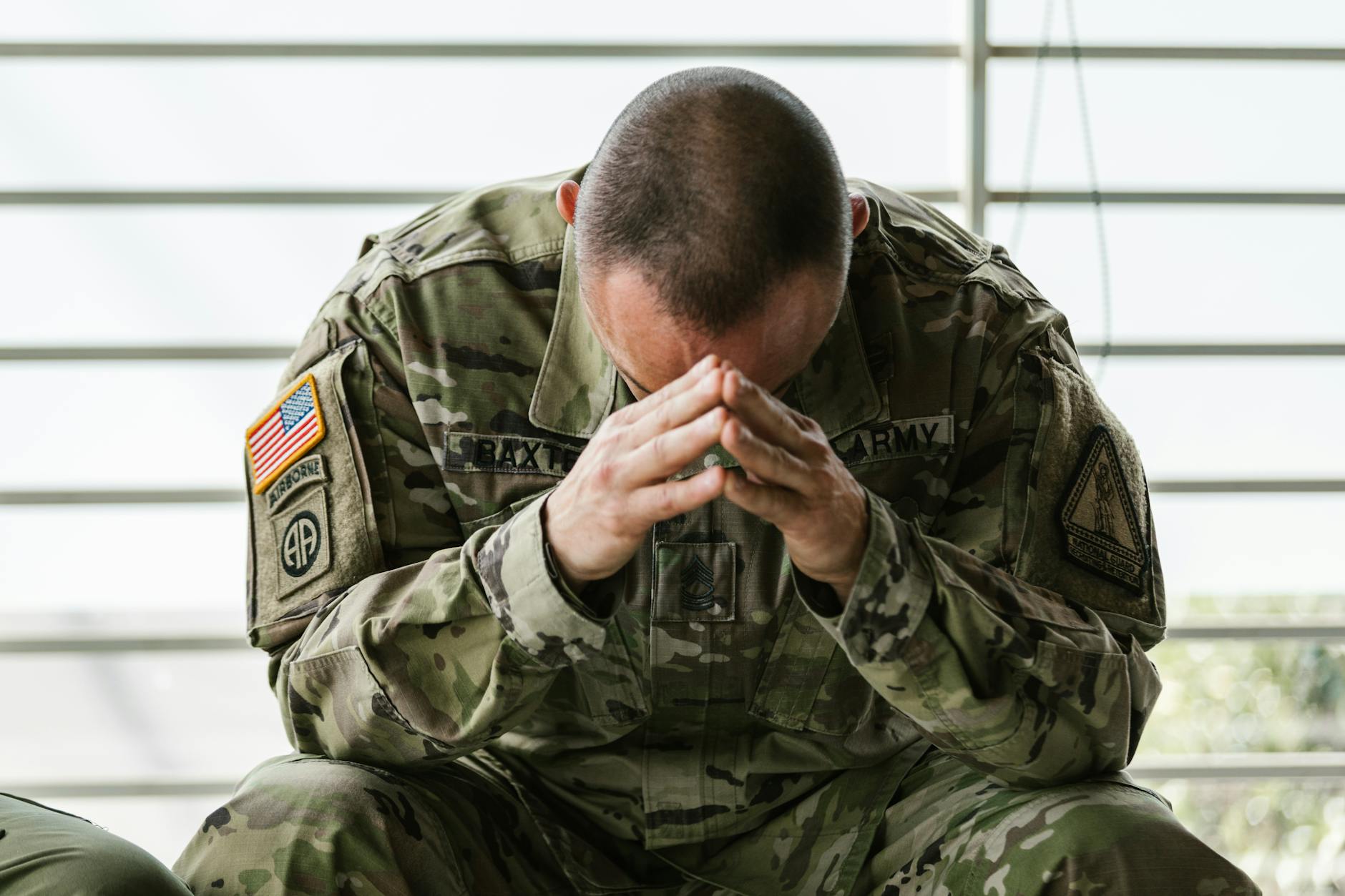
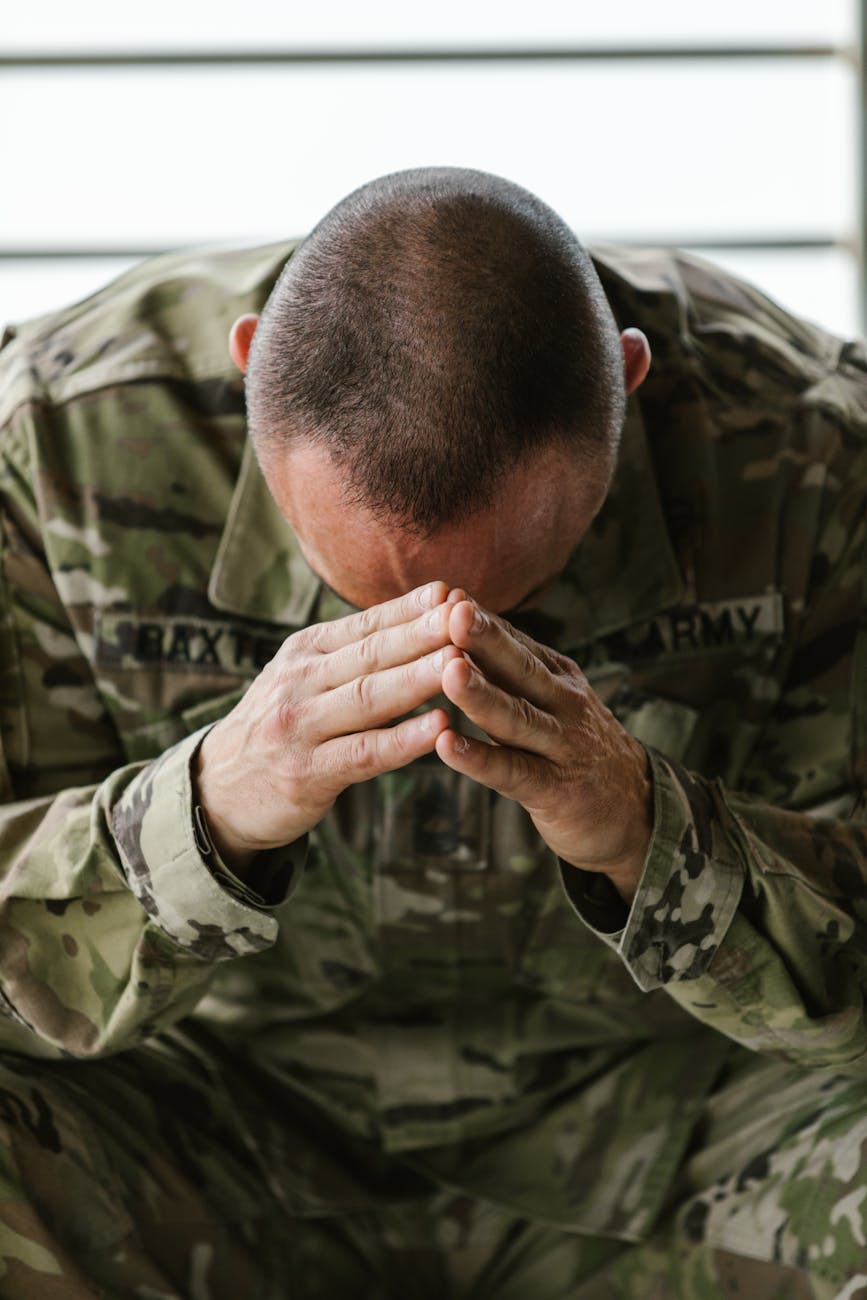
War is often described through maps, weapons, battles, and death tolls. But some of its deepest injuries are far less visible. Long after bullets stop flying, many soldiers continue to carry the mental weight of combat. Fear, exhaustion, grief, and constant danger can overwhelm the human mind just as surely as shrapnel can wound the body.
The psychological toll of war is not a side note. In many cases, it has affected more people than enemy fire itself.
When survival itself becomes a strain
Combat places people under extreme and prolonged stress. A soldier may face repeated danger, lack of sleep, physical hardship, and the constant possibility of death or injury. Under those conditions, mental breakdown is not rare or unusual.
A World War II study by Swank and Marchand reported that after sixty days of continuous combat, 98% of all surviving military personnel became psychiatric casualties. In simple terms, that means they became so mentally overwhelmed by the pressures of war that they could no longer function normally.
This finding is striking because it flips a common assumption. People often imagine mental collapse in war as something that happens only to a small minority. The study suggested the opposite: under relentless combat conditions, psychological breakdown was close to universal among survivors.
The forms these psychiatric casualties took varied. They included fatigue cases, confusional states, conversion hysteria, anxiety, obsessional and compulsive states, and character disorders. Some of these terms may sound dated, but together they point to a broad truth: war stress can show up as exhaustion, panic, disorientation, intrusive thoughts, and severe emotional disturbance.
More likely than being killed by enemy fire
One of the bleakest observations about warfare is that, for American soldiers, the chances of becoming a psychiatric casualty in every war they fought in were greater than the chances of being killed by enemy fire.
That does not mean physical danger was small. It means the mental toll was even larger.
This helps explain why war cannot be measured only by body counts. A person may come home alive, with no obvious physical wounds, yet still be deeply harmed. Depression, fear, emotional numbness, and recurring distress can reshape daily life. The battlefield may be left behind geographically, but mentally it can remain present.
The article also notes that military personnel in war often suffer both mental and physical injuries, including depression, posttraumatic stress disorder, disease, injury, and death. That combination matters. Physical survival is not the same as recovery.
PTSD and the long aftershock of war
One of the best-known psychological consequences of combat is posttraumatic stress disorder, often shortened to PTSD. It is a mental health condition caused by experiencing or witnessing terrifying events.
Among Vietnam War veterans, estimates suggested that anywhere from 18% to 54% suffered from posttraumatic stress disorder. That is a wide range, but even the lower end is enormous. It shows that war can leave a lasting imprint on the mind years after the conflict itself.
This is why it is so important to say that war does not end when the shooting stops. A ceasefire may suspend violence. An armistice may formally end fighting. Troops may leave the battlefield. None of that guarantees peace inside the minds of those who served.
PTSD is one way that the past keeps intruding into the present. Even after returning home, veterans may continue to live with the psychological aftereffects of what they endured.
Why continuous combat is so destructive
The World War II findings point to a key phrase: continuous combat. The word continuous matters. Human beings can sometimes endure extraordinary situations for short periods. But war often stretches danger and stress over days, weeks, and months.
The article notes that one-tenth of mobilized American men were hospitalized for mental disturbances between 1942 and 1945. It also says that after thirty-five days of uninterrupted combat, 98% of them manifested psychiatric disturbances in varying degrees. This reinforces the same pattern: the longer the strain continues without relief, the more likely mental damage becomes.
In everyday life, stress usually comes with pauses. In war, those pauses may disappear. There may be no true sense of safety, no predictable routine, and no reliable boundary between rest and threat. That kind of environment can grind down even highly trained people.
The invisible injury problem
Physical wounds are often easier for others to recognize. A broken bone, an infection, or a visible scar gets immediate attention. Mental injuries can be harder to spot, easier to dismiss, and more difficult to explain.
Yet the evidence in war shows these injuries are not secondary. They are central.
The article describes psychiatric casualties as soldiers debilitated for some period of time as a consequence of the stresses of military life. The word debilitated is important. It means these are not just moments of sadness or fear. They can be conditions serious enough to impair a person’s ability to think clearly, act effectively, or continue functioning in combat.
This also helps explain why war narratives that focus only on heroism or endurance can be misleading. Endurance has limits. The mind is not infinitely elastic. Under enough pressure, it can break.
War harms civilians psychologically too
Although this episode focuses on soldiers, the broader psychological damage of war reaches civilians as well. People in war zones may witness destruction, lose access to basic necessities, flee their homes, or see loved ones killed. Survivors may suffer the psychological aftereffects of witnessing the destruction of war.
War zones interrupt daily life and can make travel difficult or impossible. Infrastructure and resources are often destroyed. The article notes that wars can lead to famine, disease, large-scale emigration, and the mistreatment of prisoners of war or civilians. These pressures do not only damage bodies and economies; they also weigh heavily on the mind.
So while soldiers face combat stress directly, civilians often endure a different but still profound mental burden: fear, loss, upheaval, and prolonged insecurity.
A broader picture of military suffering
The mental toll of war sits alongside staggering physical suffering. The article notes that in World War I, out of 60 million European military personnel mobilized, 8 million were killed, 7 million were permanently disabled, and 15 million were seriously injured. It also points out that from 1500 to 1914, more military personnel were killed by typhus than by military action.
These facts matter because they show that war damages human beings in many ways at once. A soldier might face enemy fire, disease, hunger, fatigue, grief, and psychological collapse all within the same conflict. Mental suffering is one part of a wider system of harm, not a separate story.
What these numbers really tell us
Statistics like 98% or 18% to 54% are powerful, but their deeper meaning is human. They suggest that the mind’s reaction to war is not weakness. It is a response to extraordinary conditions.
When nearly all survivors of prolonged combat show psychiatric damage, the lesson is not that those individuals failed. The lesson is that continuous warfare places crushing demands on the human nervous system and emotions.
Likewise, when large shares of veterans suffer posttraumatic stress disorder, it reveals that war’s timeline is much longer than any campaign map suggests. A war may officially last years. Its consequences in memory, emotion, and behavior may last far longer.
The true cost beyond the battlefield
War is often pursued for political, economic, or territorial aims. But whatever leaders seek, the cost is paid in human lives and human minds. Some losses are counted in deaths. Others are counted in survivors who return changed, struggling with depression, anxiety, trauma, and psychiatric disturbance.
That is part of the real price of war: the invisible casualties who live on with what they have seen, endured, and lost.
If there is a lesson in these wartime mental health statistics, it is a sobering one. The human mind can withstand much, but not endless fear and violence without consequence. War does not merely destroy cities and armies. It can also fracture inner lives, leaving wounds no less real for being unseen.
Sources
Based on information from War.
More like this
Explore the unseen side of history — download DeepSwipe and give your mind something better than battle scars.