Where Is Everybody? 5 Clues in the Search for Life
From countless exoplanets to ocean moons and comet chemistry, explore 5 clues scientists use in the search for life beyond Earth.
If the galaxy is packed with planets and life can survive in shocking places, why haven’t we found anyone yet? These five DeepSwipe episodes explore some of the biggest clues—and biggest surprises—in the search for life beyond Earth.
A Galaxy Overflowing With Possible Worlds
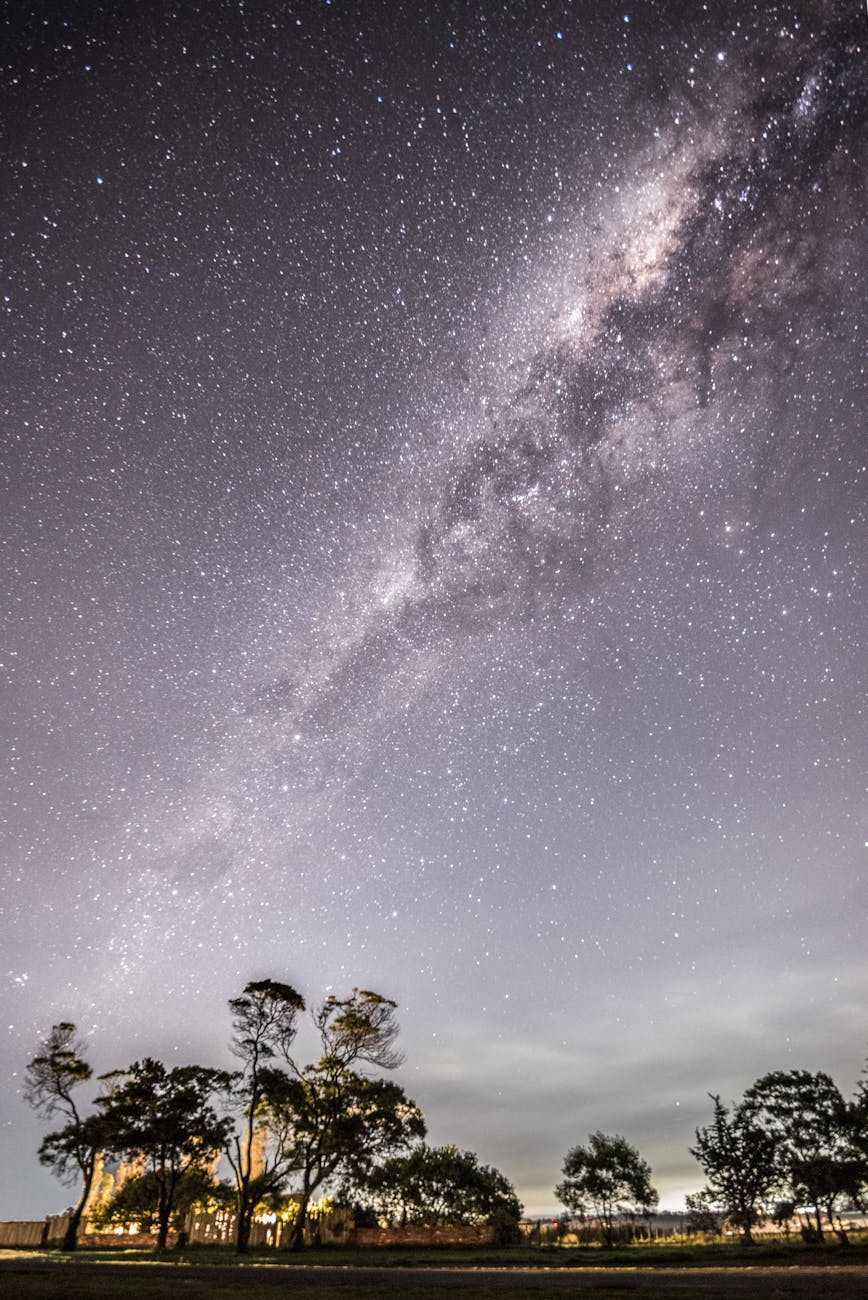
When people ask whether we’re alone, the Milky Way makes the question feel almost unbelievable. Our galaxy contains 100–400 billion stars and at least that many planets, with evidence suggesting there may even be more rogue planets wandering free than stars themselves. Kepler data hint at billions of Earth-sized worlds, including tens of billions in habitable zones where liquid water could exist. The nearest known exoplanet is only 4.2 light-years away—a tiny distance on a galactic scale. Most striking of all, estimates suggest more than 300 million potentially habitable planets may exist in the Milky Way alone. That’s a lot of places to wonder about.
Enceladus: The Moon That Leaks an Ocean
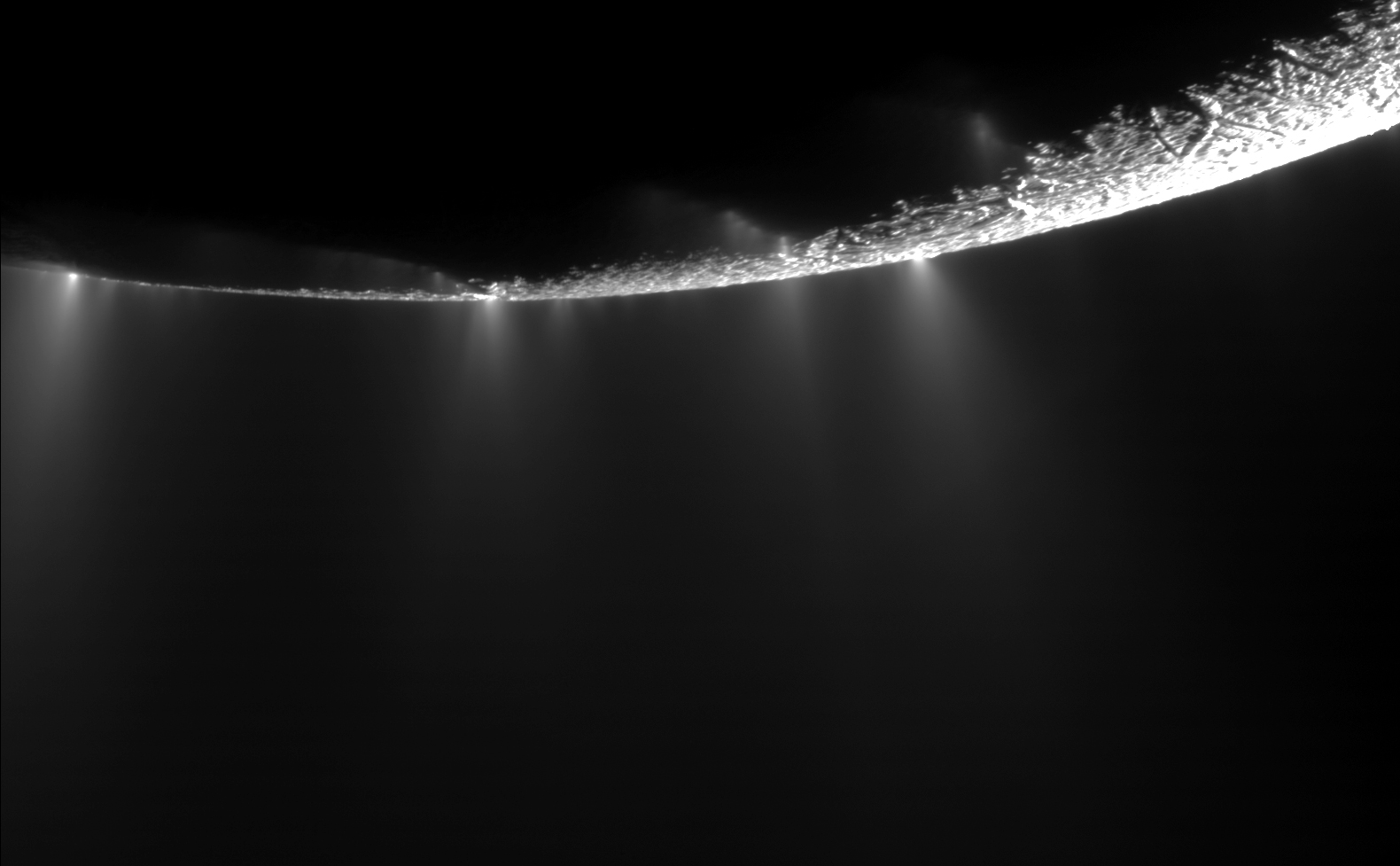
Saturn’s small moon Enceladus looks icy and quiet—until you notice it’s blasting material into space. More than 100 geysers have been spotted erupting from its south pole, spraying particles from a hidden ocean beneath the ice. Even better, those grains are salt-rich, a strong clue that the buried water is in contact with rock and has an ocean-like chemistry. A spacecraft flyby also found ingredients that could support microbes using methanogenesis, a metabolism known on Earth. That has led some scientists to call Enceladus one of the most promising places beyond Earth for life as we know it.
Maybe We’re Looking in the Wrong Places
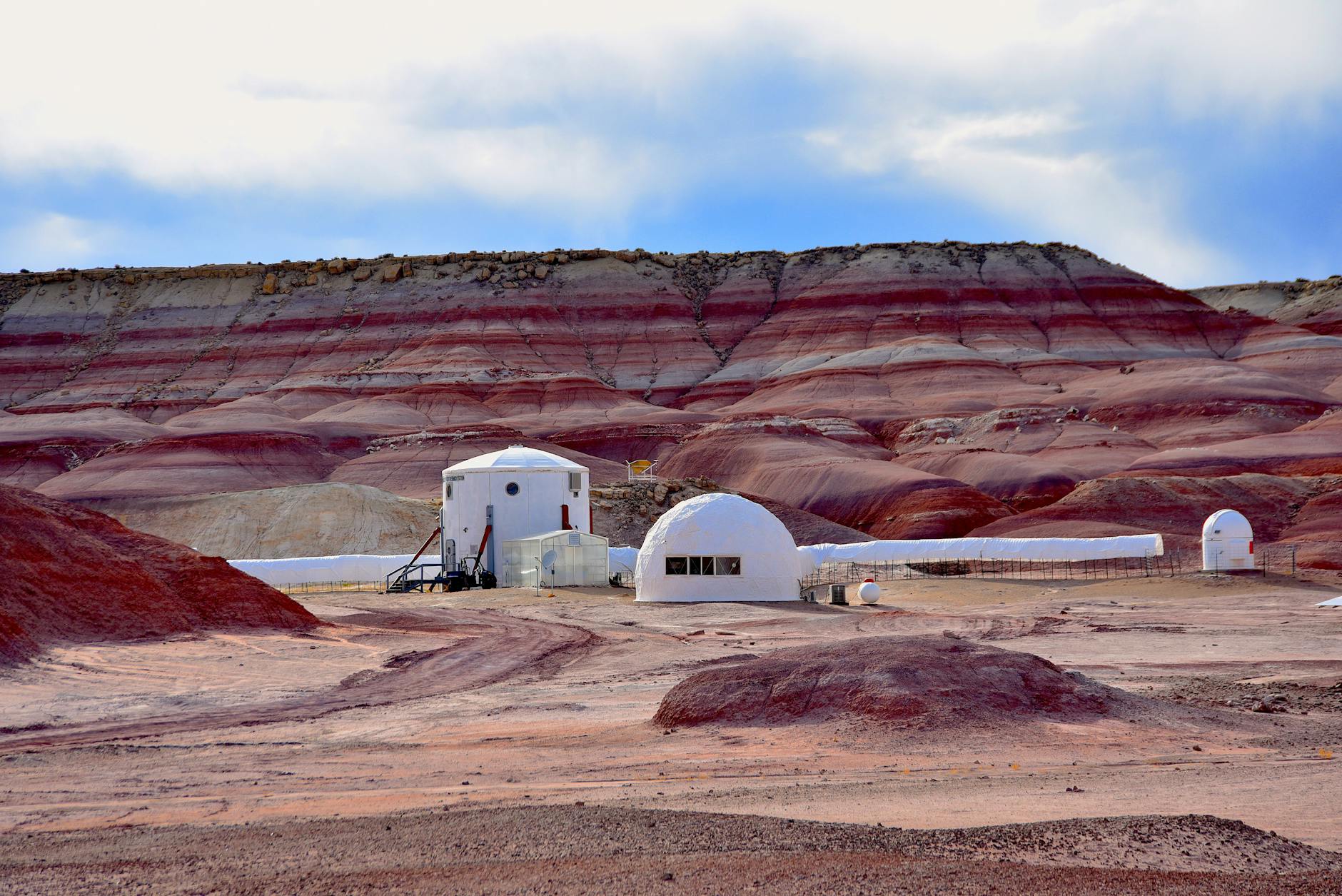
The search for life isn’t just about finding an Earth twin. It may mean looking where life can hide: underground on Mars, high in Venus’s atmosphere, or inside oceans sealed beneath ice on distant moons. Earth’s own survivors offer clues—lichen lasting a month in simulated Martian conditions suggests life can be tougher than we once imagined. But not every star system is equally welcoming. Big stars burn fast, while red dwarfs can batter planets with storms and lock one side into endless day. Scientists are even developing a Confidence of Life Detection scale to judge future evidence. In other words, where we search matters as much as what we find.
Life Is Much Harder to Kill Than We Thought

One reason scientists stay hopeful is simple: life on Earth is astonishingly resilient. Microbes turn up nearly everywhere—from air and water to deep underground rock. Spores have been detected high in the mesosphere, and some organisms can survive exposure to the vacuum of space in experiments. Life has been found at least 19 kilometers underground, in the crushing depths of the Mariana Trench, and even in 120 °C sediments beneath the seafloor. Every discovery stretches the limits of what “habitable” means. If life can endure conditions this extreme here, alien worlds that once seemed impossible suddenly look much more interesting.
Comets: Messengers, Mixers, or Red Herrings?
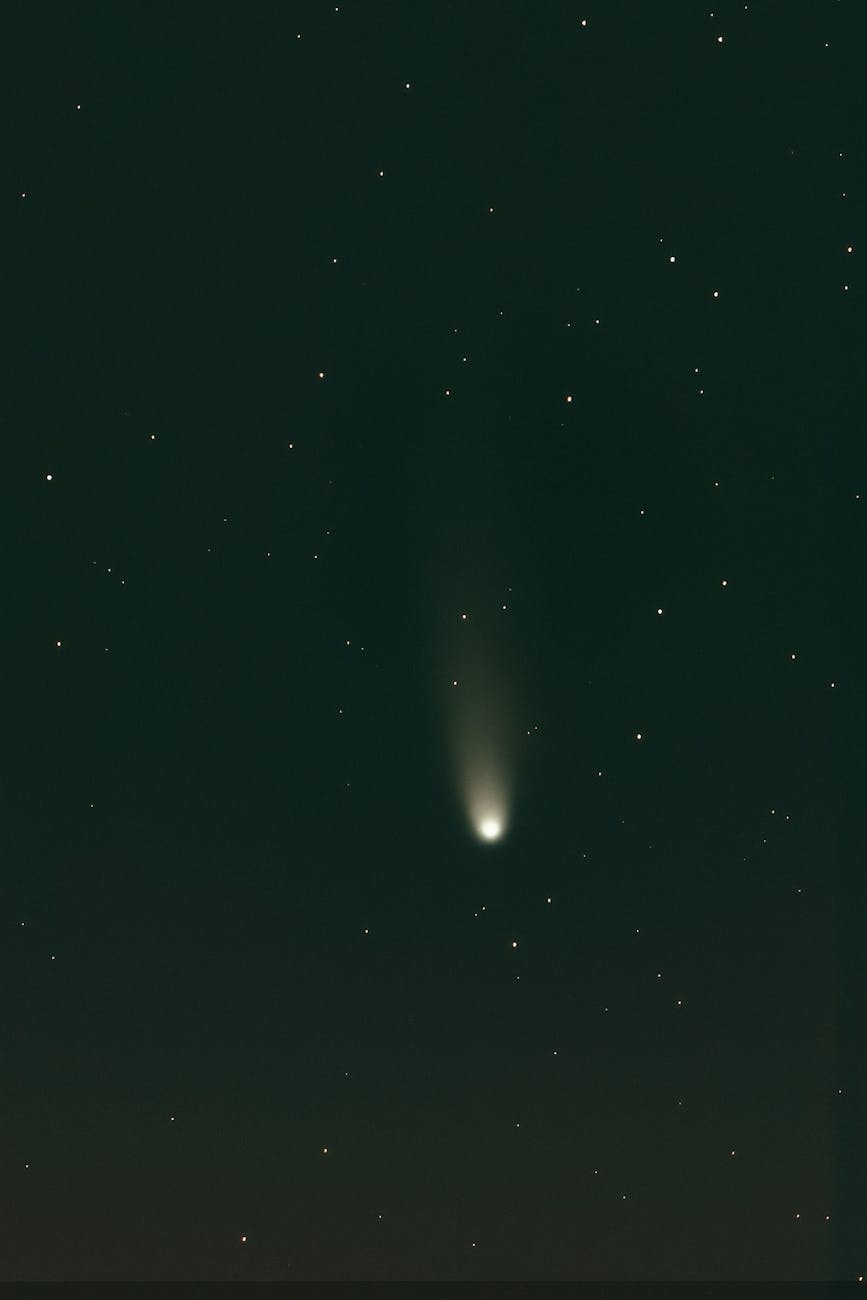
Comets may not be alive—but they could still be crucial to life’s story. These icy bodies carry rich organic molecules, and NASA’s Stardust mission even found the amino acid glycine in comet dust. Some studies suggest building blocks related to DNA and RNA may also form on comets and asteroids. Impacts add another twist: shock synthesis shows that high-speed collisions can turn simple molecules into more complex ones. But comets also complicate the hunt for life. Rosetta detected molecular oxygen on Comet 67P, showing that O2 isn’t always a biological signal. Even the question of whether comets delivered Earth’s water remains gloriously unresolved.
Enjoy bite-sized learning? Try DeepSwipe.