Wiki Summaries · Ancient Rome · Concrete, Roads, and Aqueducts: Rome’s Hard Infrastructure

Concrete, Roads, and Aqueducts: Rome’s Hard Infrastructure

Discover how Roman concrete, highways, and waterworks quietly did more to hold the empire together than any emperor or general.

technologysciencehistory
XFacebook

Building in Stone and Time

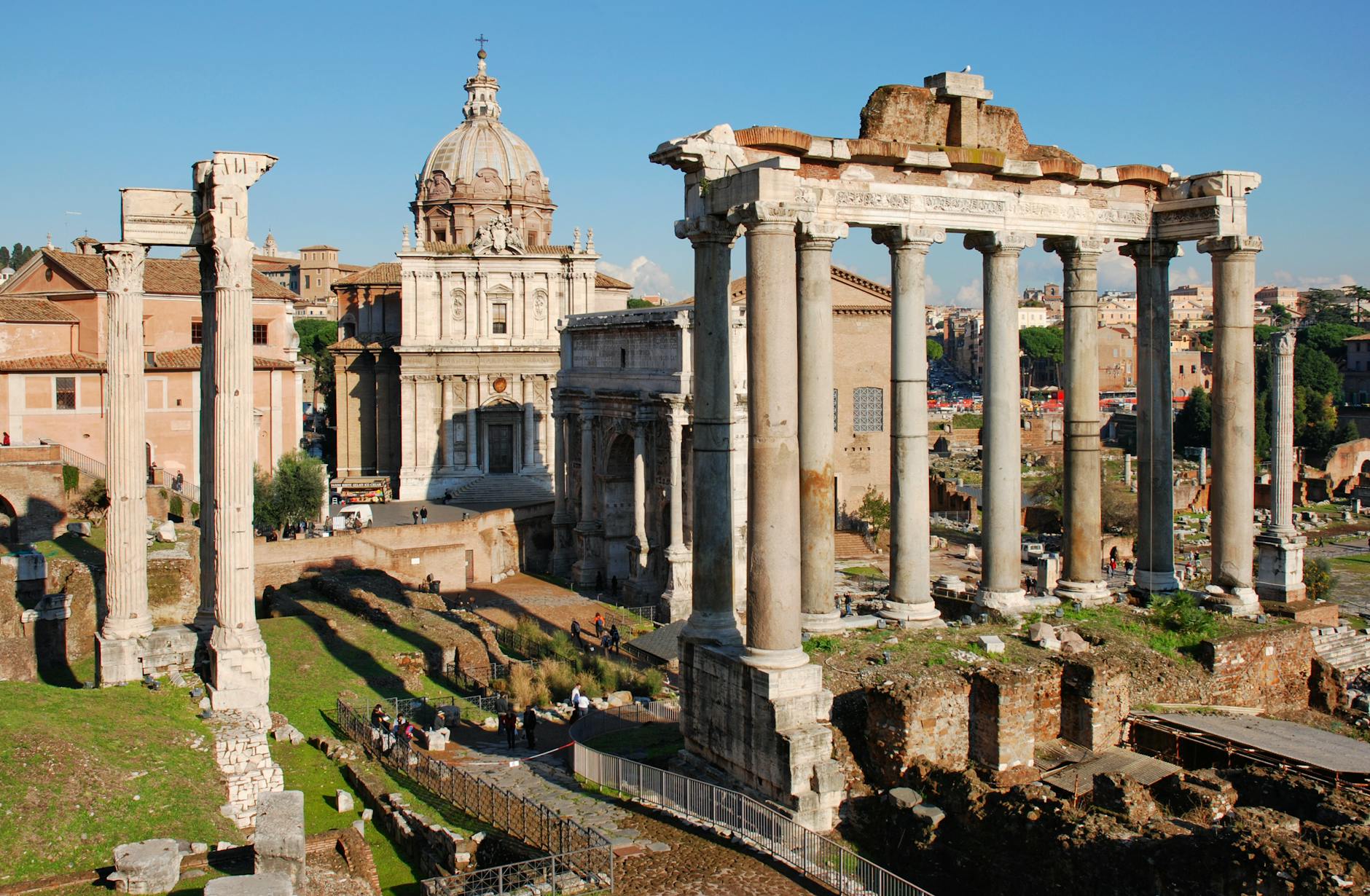
Look past the marble facades of Roman monuments and you find their real secret: concrete. Invented in the late 3rd century BC and widely adopted by the 1st century BC, Roman concrete mixed lime with volcanic ash (pozzolana). The result was a strong, versatile material that cured even underwater.

Concrete liberated Roman architects from the constraints of cut stone. Domes like the Pantheon’s, massive vaults, and vast interior spaces became possible, reshaping urban skylines. Timber, heavily used and traded over long distances, still framed projects, but concrete became the empire’s structural backbone.

All Roads Lead to… Everywhere

Rome’s road network was the empire made visible. With carefully prepared foundations and drainage, these stone-surfaced highways were so durable that some segments survived in use for a thousand years after Rome’s fall.

For the army, roads meant predictable marching times and swift deployment in any season. Strategically placed way stations—the cursus publicus—and horse relays let official dispatches fly up to 80 kilometres a day. Economically, roads turned Rome into a continental crossroads, funnelling trade and tax revenue toward the capital.

Yet land transport was costly. Where possible, Romans preferred ships: by the 2nd century BC, a trading vessel could cross the Mediterranean from Gades to Alexandria in under a month, at a fraction of road transport’s price.

Taming Water

Perhaps most transformative were Rome’s aqueducts. By the 3rd century AD, eleven aqueducts, stretching some 450 kilometres, supplied the city of Rome alone. Gravity‑fed channels, bridges like the Pont du Gard, and siphons carried clean water to baths, fountains, and homes.

Public baths (thermae) became centres of hygiene, business, and sociability. Many houses boasted flush toilets and basic plumbing. Beneath it all, the Cloaca Maxima sewer drained marshes and carried waste to the Tiber.

Concerns about lead poisoning from pipes linger, but the water’s chemistry likely limited harm. What stands unquestioned is the ambition: to make urban life, at ancient scale, not just possible but comfortable.

The Takeaway

Roman engineering made empire tangible—hard surfaces beneath marching feet, water reliably in basins, waste whisked away. Long after emperors’ names faded, their roads and aqueducts continued to serve, reminding later ages what determined organisation and clever materials could achieve.
Based on Ancient Rome on Wikipedia.

XFacebook

Summarize another article

More topics in Ancient Rome

Ancient Rome - 100 Word Summary

A swift, panoramic overview of Rome’s journey from village to empire and its enduring impact on the modern world.

history
Read →

Ancient Rome - 250 Word Summary

From wolf-nursed twins to Christian emperors, follow Rome’s long arc of power, crisis, and transformation, and how it seeded the foundations of Western civilisation.

history
Read →

From Village on the Tiber to Ruler of the World

Trace how a marshy hillside settlement grew into a superpower that ruled a fifth of humanity—and why its origin stories still matter.

historywarpolitics
Read →

The Roman Republic: Democracy, Oligarchy, and Chaos

Step inside a political experiment where popular assemblies and a powerful senate coexisted uneasily—until ambition, inequality, and civil war tore it apart.

politicshistory
Read →

Caesar, Augustus and the Invention of Empire

Watch the Republic implode as ambitious generals seize power, and see how Augustus wrapped one-man rule in republican clothing that fooled Rome for centuries.

politicswarhistory
Read →

Crisis, Collapse, and the Long Fall of Rome

Follow Rome through plagues, hyperinflation, breakaway empires, and invading armies to see how a superpower can crumble over centuries rather than days.

historywarpolitics
Read →

Law, Class, and Citizenship in the Roman World

Explore how Rome used law and a rigid social ladder not just to control its citizens, but to knit together a vast empire of insiders and outsiders.

politicsculture
Read →

Inside the Roman Home: Family, Power, and Slavery

Enter the Roman household, where one man’s legal power extended over wives, children, and slaves—and yet where everyday life was negotiated, not simply commanded.

culturesociety
Read →

Blood, Spectacle, and Roman Ideas of Virtue

Step into the arenas and circuses where Romans cheered bloodshed—not just for fun, but to harden their souls and rehearse what they believed virtue meant.

culturewar
Read →

From Many Gods to One: Religion and Rome’s Transformation

Watch Rome move from local spirits and imperial cults through persecution to Christian dominance—and see how faith reshaped the empire itself.

religionculturepolitics
Read →

Enjoy bite-sized learning? Try DeepSwipe.