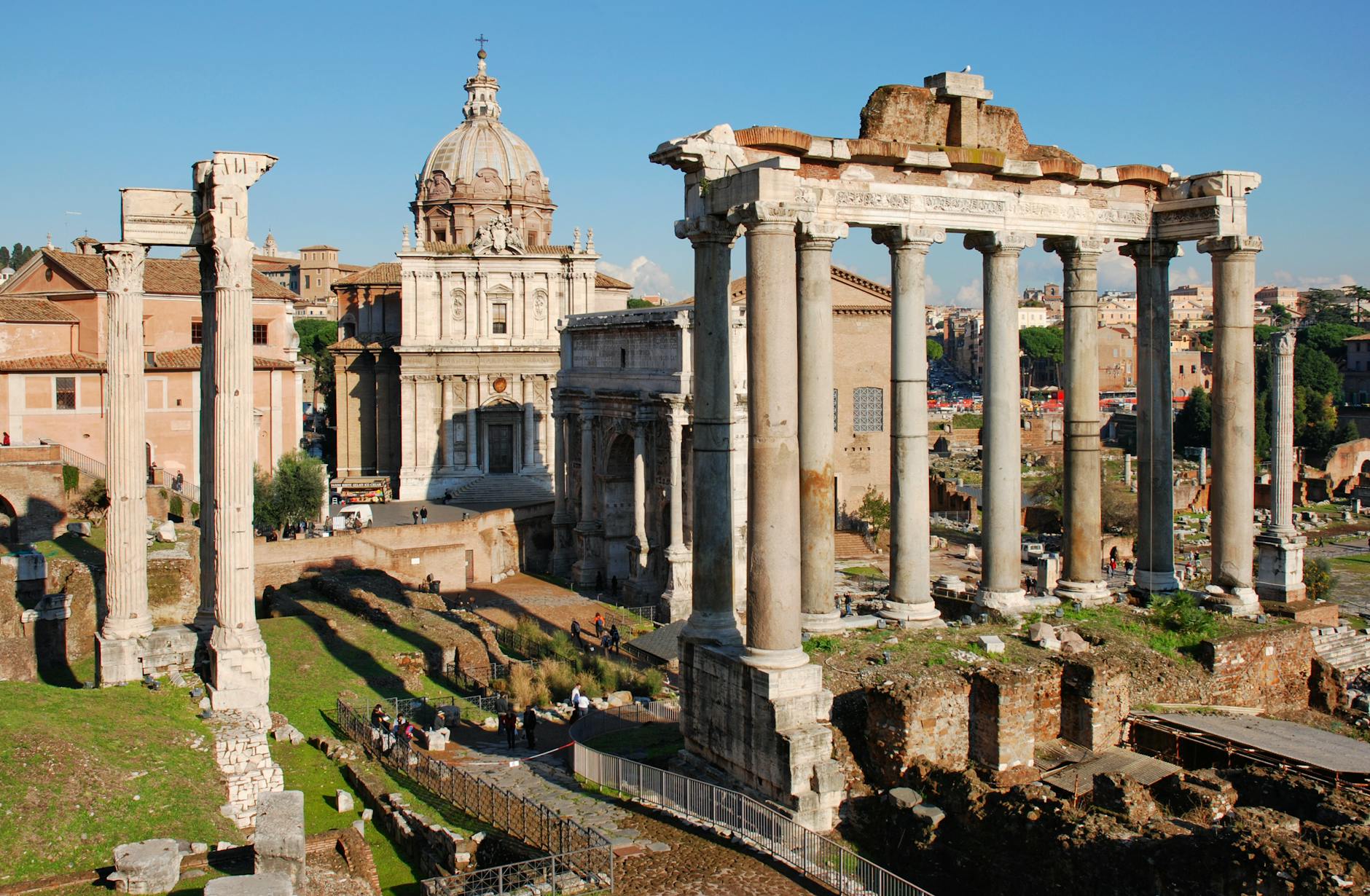
When Generals Became Kingmakers
By the 1st century BC, Rome’s political streets were choked with debt, corruption, and rivalry. Into this walked Julius Caesar—brilliant orator, indebted aristocrat, and general with a talent for turning battlefield victories into personal power.
Caesar bound together two other titans, Crassus and Pompey, in the First Triumvirate, an informal pact to dominate politics. While his allies jockeyed at home, Caesar conquered Gaul, amassing immense wealth and legions fiercely loyal to him rather than to Rome.
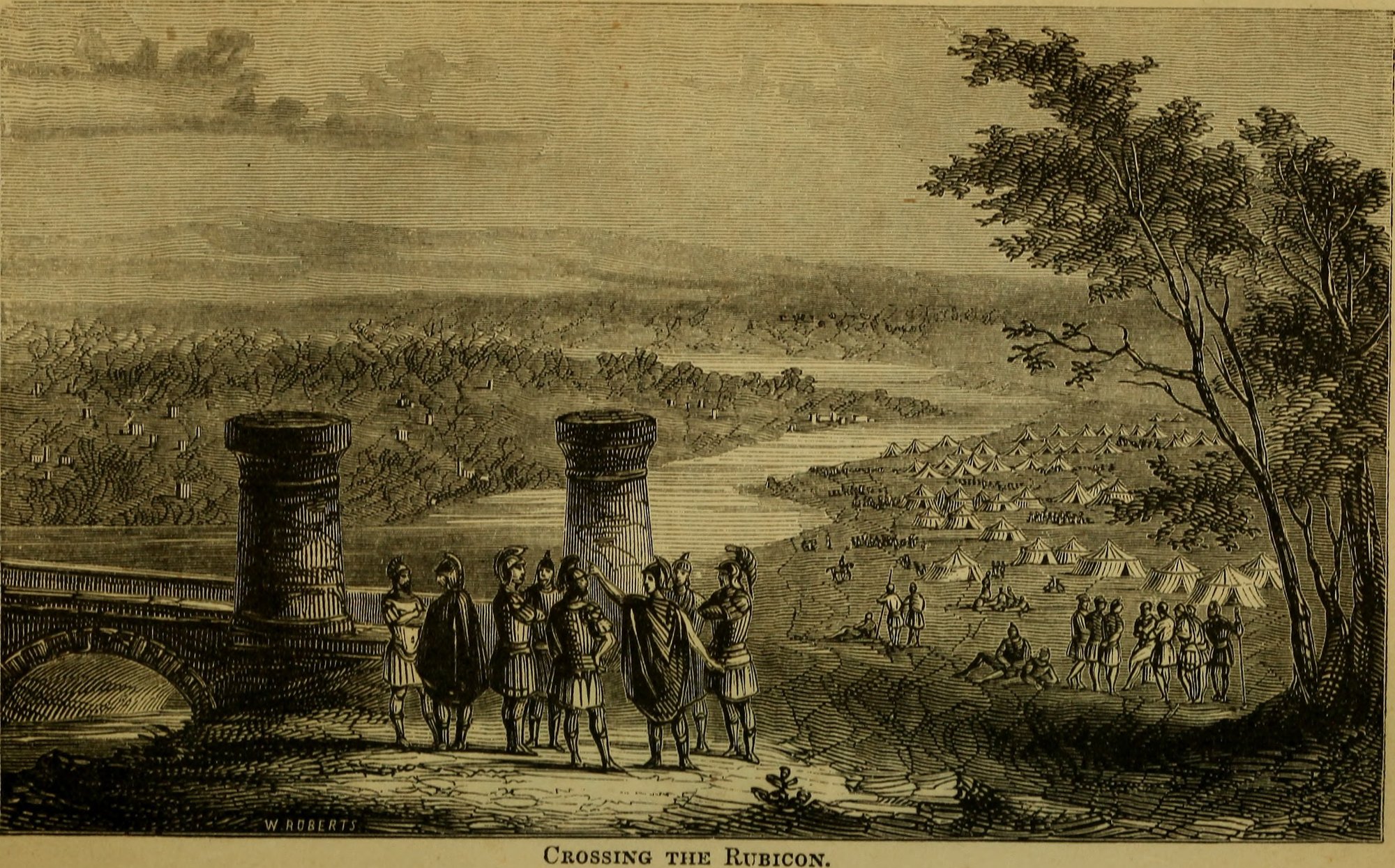
When the Senate, rallied by Pompey, tried to strip him of command, Caesar chose rebellion over ruin. Crossing the Rubicon with his army, he plunged the Republic into civil war.
Dictator for Life—and Death
In campaign after campaign, Caesar crushed the optimates’ leaders: Pompey, Cato, Metellus Scipio, and finally Pompey’s own son. Within five years he collected consulships and dictatorships, culminating in a dictatorship “for perpetuity”.
To some, he seemed a restorer, bringing order after chaos. To others, he was a looming king. On the Ides of March, 44 BC, senators styling themselves Liberatores stabbed him to death in a meeting of the Senate, hoping to save the Republic.
Instead, they lit a fuse.

The Rise of Augustus
Caesar’s heir, the young Octavian, arrived in Rome to find Mark Antony in control. Outmaneuvering foes, Octavian forged a new, legalised alliance—the Second Triumvirate—with Antony and Lepidus. Their power rested on blood: 130–300 senators and many equites were proscribed, executed, and dispossessed.
After crushing Caesar’s assassins at Philippi, the triumvirs divided the empire. But power-sharing again succumbed to jealousy and fear. Lepidus was pushed aside; Antony, ensconced in Egypt with Cleopatra, seemed to be building an eastern monarchy, crowned by the Donations of Alexandria.
Octavian framed Antony’s oriental lifestyle and allegiance to Cleopatra as treason to Roman values. War followed. At Actium in 31 BC, Octavian’s forces smashed the Egyptian fleet. Antony and Cleopatra committed suicide; Egypt became a Roman province.
Empire in Republican Disguise
In 27 BC, Octavian took the name Augustus and delicately refashioned power. Officially, the Republic lived: magistracies, Senate, and assemblies remained. In practice, Augustus gathered all key powers under his title of princeps, “first citizen”. He controlled the army through a professional standing force and the Praetorian Guard; key provinces like Egypt answered directly to him.
His long, relatively peaceful rule—the Pax Romana—trained Rome to accept one-man power as normal, even desirable. Later dynasties would be more blatant, but the template was his.
The Takeaway
The Empire wasn’t born in a single coup; it was engineered by men who turned military command into political capital, then hid monarchy inside old republican forms. Rome kept the language of liberty while learning to live under an emperor.