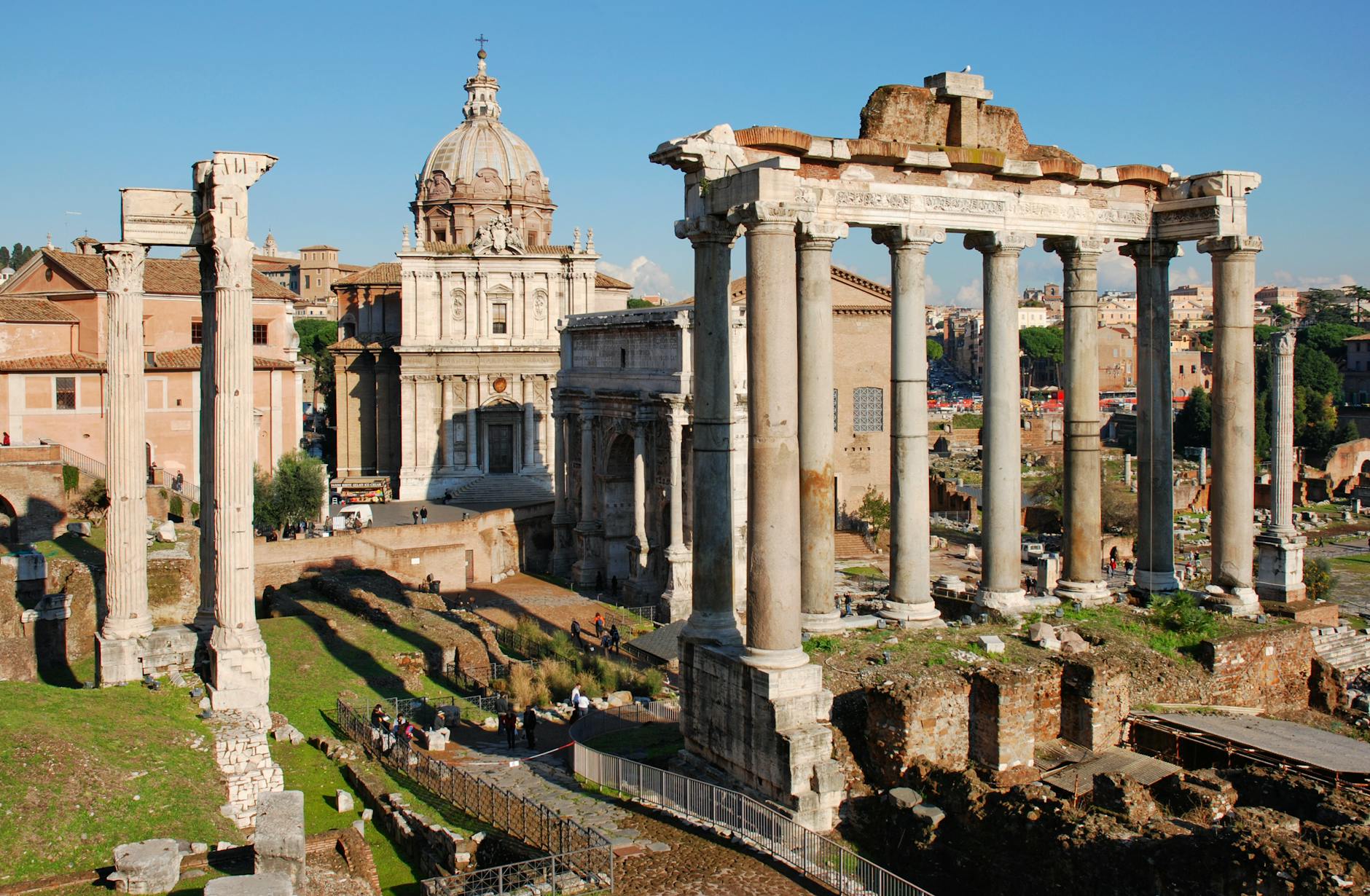
Ancient Rome denotes the civilisation that grew from a small Italic settlement on the Tiber into one of history’s largest empires, lasting in various forms for over a millennium. Traditionally founded in 753 BC, Rome passed through three main phases: the early Kingdom, an aristocratic Republic, and then the Empire, which turned increasingly autocratic. Through conquest of Italy, Carthage, the Hellenistic kingdoms, and vast territories across Europe, North Africa, and the Near East, Rome controlled some 5 million square kilometres and tens of millions of people. Its armies evolved from citizen militias to professional forces, underpinning both expansion and civil wars.
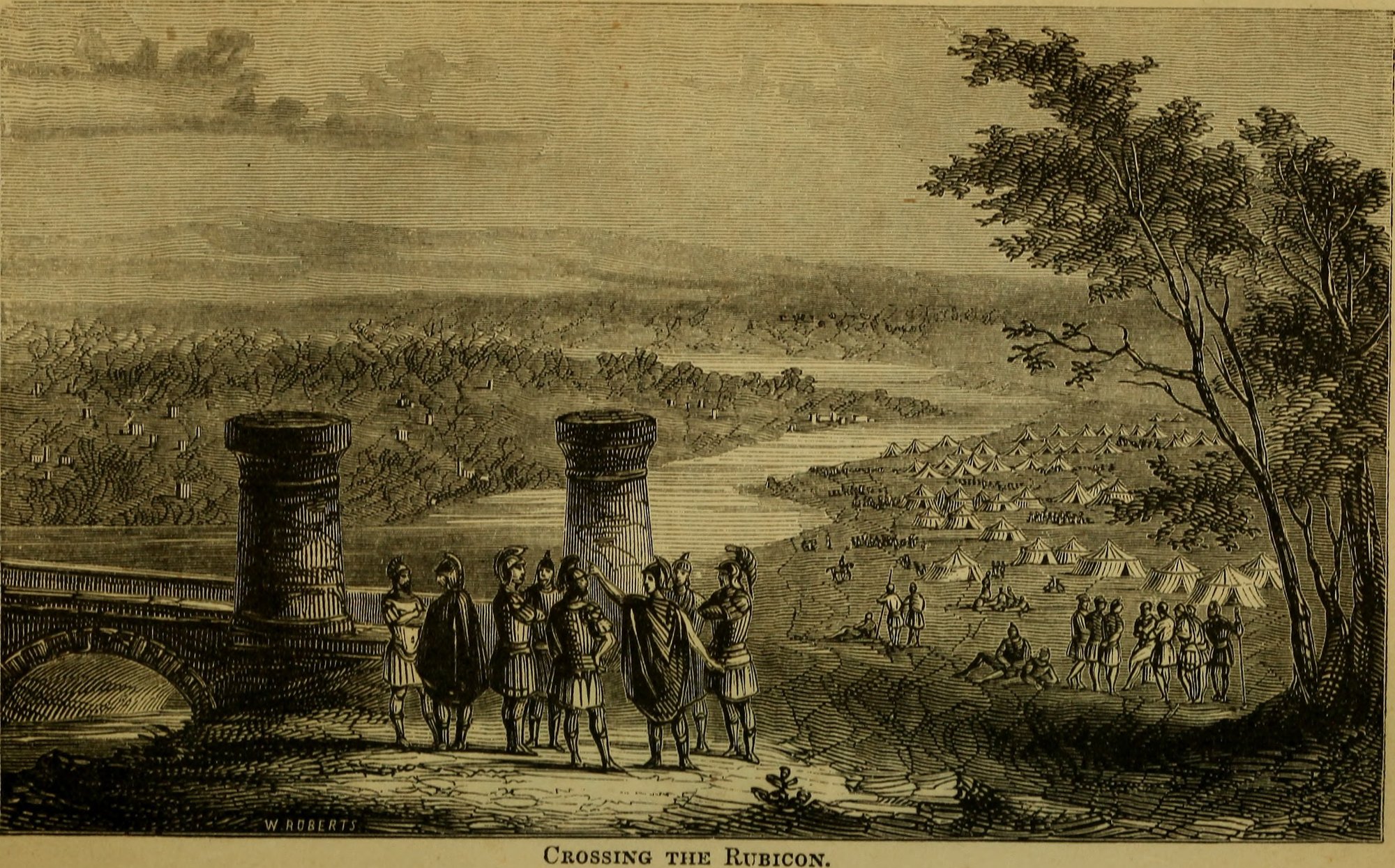
The Republic’s complex mix of democracy and oligarchy—senate, assemblies, magistrates—gave way under the pressures of inequality, slave-based economics, and ambitious generals such as Marius, Sulla, Caesar, and Augustus. Imperial dynasties from the Julio-Claudians to the Severans oversaw cultural florescence and political instability, culminating in the third-century crisis. Diocletian’s reforms, the Tetrarchy, and Constantine’s rise restructured the state and legalised Christianity, while Constantinople emerged as a new capital. The Western Empire fragmented under military, fiscal, and demographic pressures, ending in 476, even as the Eastern (Byzantine) Empire endured until 1453.
Roman society was intensely hierarchical yet urbanised, with intricate law, family structures, education, and a vibrant cultural life of literature, art, spectacle, and religion that shifted from polytheism to Christianity. Roman engineering—roads, aqueducts, concrete architecture, sewers—transformed landscapes and set standards unmatched until modern times. Roman law, political thought, language, and material culture became the deep substrate on which much of medieval and modern Europe was built.