Microlearning Hiding in Plain Sight
You may already be doing microlearning without realizing it. Many small interactions that punctuate your day—on your computer, your phone, or in your inbox—are actually examples of learning in miniature.
Screensavers That Make You Think
Consider a screensaver that appears after a period of inactivity and prompts you to solve a small series of simple tasks. Instead of just displaying images, it turns idle time into a quick learning opportunity, slipping practice into moments that would otherwise be wasted.
Quizzes in Your Pocket
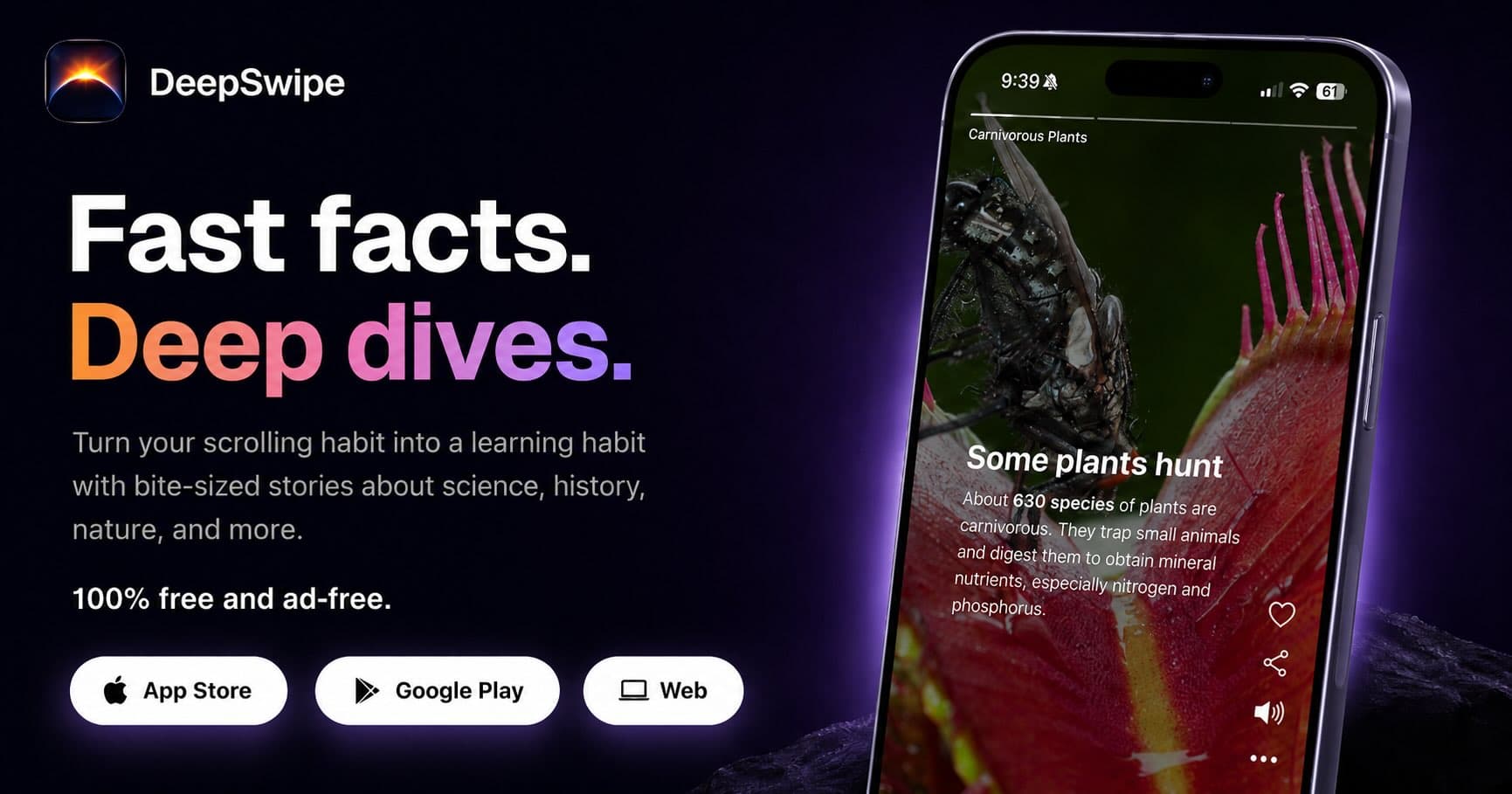
Mobile phones are natural delivery devices for microlearning. Quizzes with multiple‑choice questions can be sent via SMS or through lightweight applications. A short question, a few answer options, and instant feedback—all delivered in a minute or two—transform a spare moment into a learning session.
Word of the Day and Knowledge Feeds
Daily RSS feeds or email messages that present a “word of the day” are classic microlearning. Each message offers a small piece of content: one new word, its meaning, and maybe an example. Over weeks and months, these tiny exposures accumulate into a broader vocabulary.
Flashcards and Spaced Repetition
Flashcard software takes microlearning further by using spaced repetition—showing you items just as you are about to forget them. Each interaction is brief: see one prompt, recall the answer, rate the difficulty, move on. Yet the repeated, timed practice steadily engrains knowledge, from foreign languages to technical terms.
Short Videos and Mini‑Games
Short videos lasting two to ten minutes, whether stand‑alone or part of a series, are another common form. Each video tackles one idea or skill, making it easy to slot into a busy day.
Mini-games and reward systems—points, leaderboards, unlocking levels—wrap microlearning in play. The content stays small and focused, but game mechanics encourage repeated engagement and friendly competition.
The Takeaway
From screensavers that quiz you to daily vocabulary emails and quick phone quizzes, microlearning has quietly woven itself into everyday life. In dozens of tiny moments, it turns idle time and casual curiosity into steady, cumulative learning.