In July 1184, a high-level political meeting in Erfurt turned into one of the most shocking structural disasters of the Middle Ages. Around sixty nobles and other attendees died when the floor of a building collapsed beneath them, sending many crashing not only through one story, but into a latrine cesspit below.
That detail is what makes the Erfurt latrine disaster so unforgettable. This was not simply a deadly building collapse. For some of the victims, the final cause of death was drowning or suffocating in sewage after surviving the initial fall. The event combined politics, rotten architecture, and grotesque bad luck into a catastrophe that has echoed through history and folklore ever since.
Why so many powerful people were gathered in Erfurt
The disaster began with a political dispute. Tensions had been rising between Landgrave Louis III of Thuringia and Archbishop Conrad of Mainz. A landgrave was a major regional noble, roughly comparable to a count but often with substantial territorial authority. An archbishop was not only an important church leader but also a figure with serious political influence.
The conflict had existed since the defeat of Henry the Lion and had intensified so much that intervention from the ruling family of the Holy Roman Empire became necessary. On the orders of his father, Frederick Barbarossa, the eighteen-year-old Henry VI changed course while traveling on a military campaign toward Poland and went to Erfurt to mediate.
That makes the whole story even more striking. This was supposed to be a peace-making mission. Instead, the attempt to settle one crisis was interrupted by a far more immediate one.
The Hoftag: a court day with deadly consequences
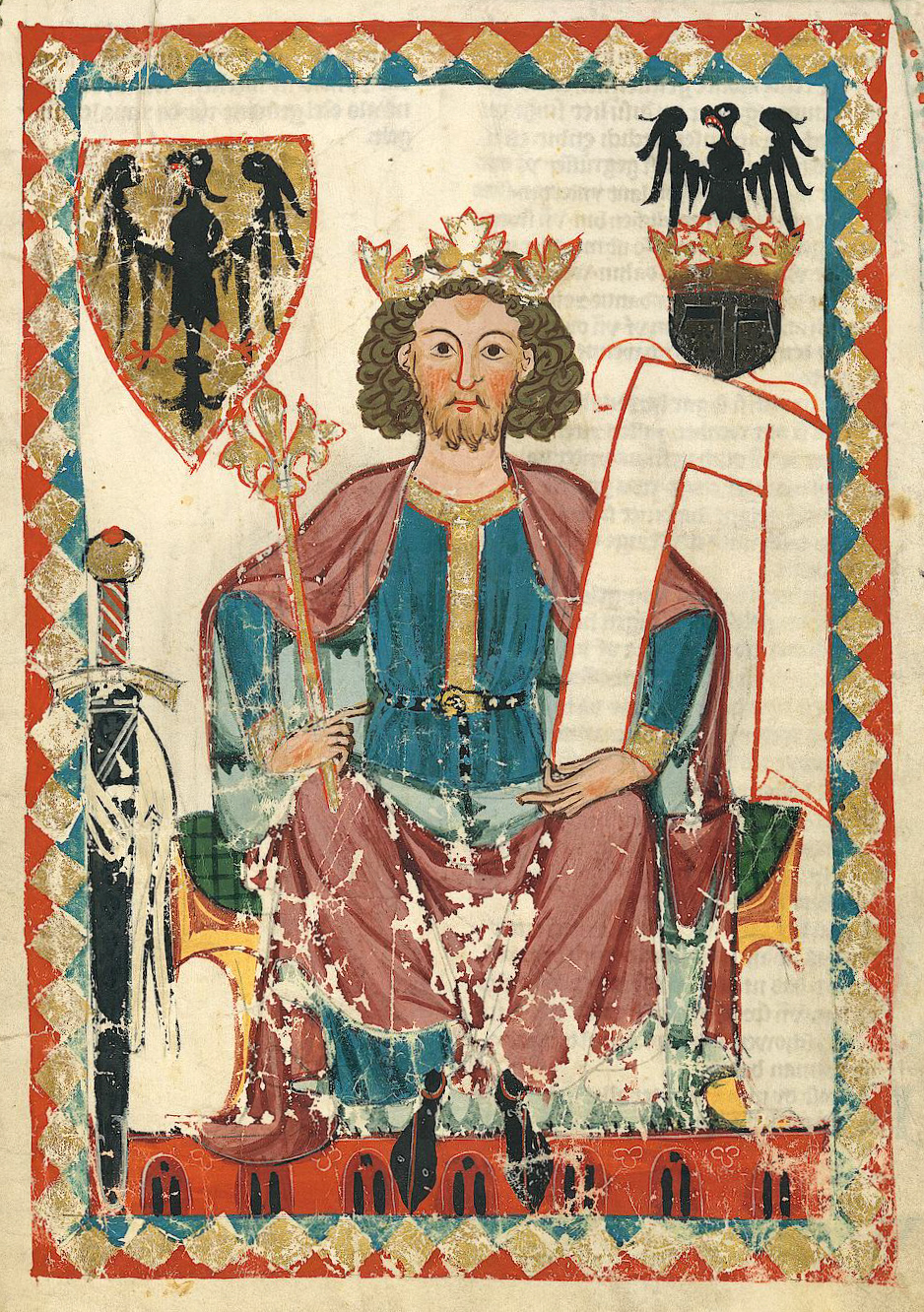
Henry VI convened a Hoftag for the meeting. A Hoftag, often translated as a “court day,” was a formal political gathering where rulers, nobles, clergy, and other important figures could meet to discuss disputes, administration, and power.
This particular Hoftag met on 25 July, the Feast of Saint James. Among those present were Landgrave Louis, Archbishop Conrad, members of Henry’s court, local nobles and bishops, and leading citizens of Erfurt. In other words, the room was packed with influential people.
The meeting took place on the upper floor of a two-story building near Erfurt Cathedral. Historical sources disagree about the exact building. Some place it in the provost’s building, while others identify it as the nearby bishop’s residence. But they agree on the crucial point: the attendees were gathered upstairs in a structure that could not safely bear the load.
How the collapse happened
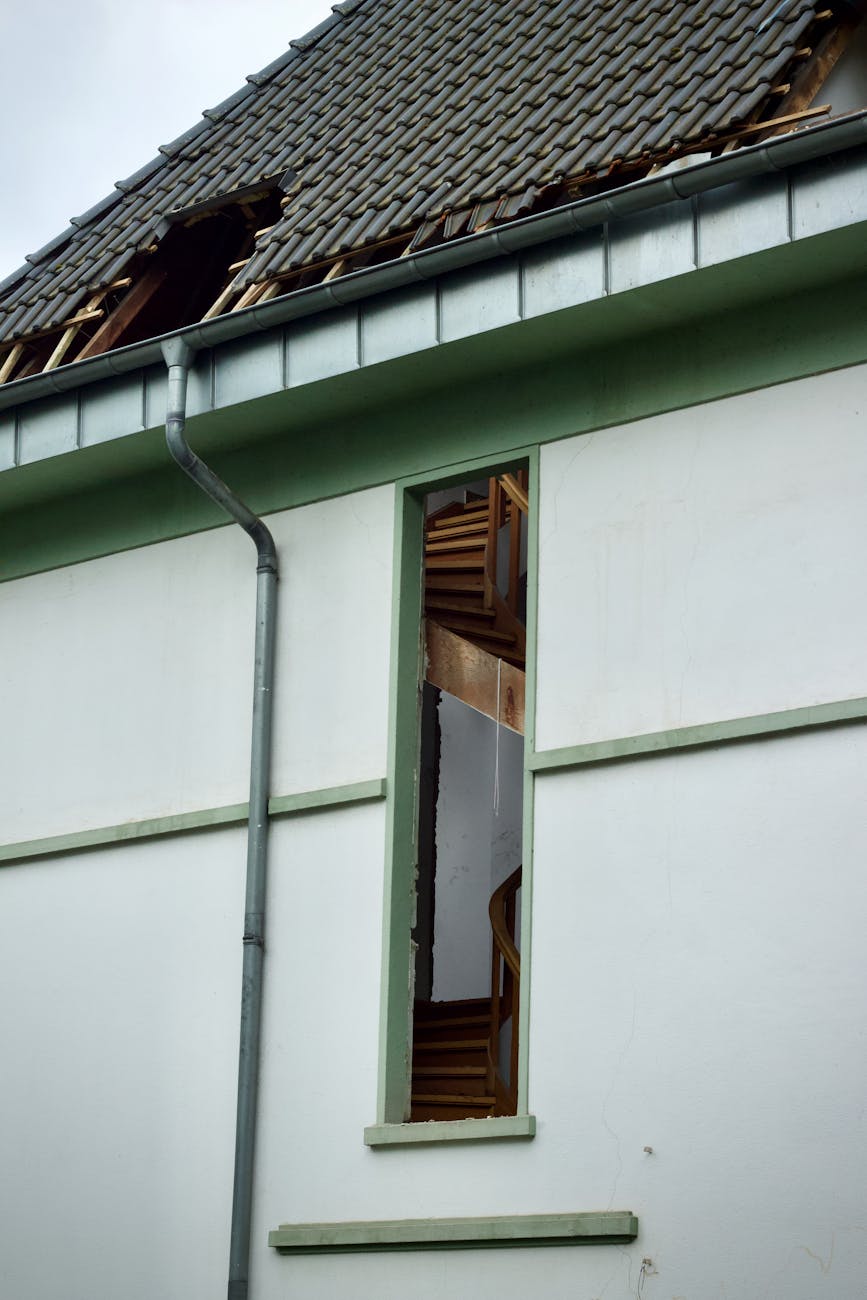
The fatal weakness was hidden in the building itself. The upper floor was supported by wooden beams, and those beams were rotten. Once the crowd assembled, the combined weight of the attendees proved too much.
On 26 July, the upper floor gave way.
That alone would have been disastrous, but the collapse did not stop there. The falling people and debris smashed into the ground floor with such force that it also collapsed. Some of those caught in the disaster then plunged even farther, down into an underground cesspit.
A cesspit was essentially a waste pit used to collect human sewage from latrines, the medieval equivalent of toilets. In modern terms, this means that part of the gathering fell through two stories and into a pit full of human waste.
The deaths came in several ways. Some victims died from injuries caused by the fall. Others were crushed by collapsing debris. Still others suffocated or drowned in the sewage below. About sixty people in total are said to have died.
It is hard to imagine a more horrifying chain of events: first the shock of the floor dropping away, then the chaos of timber and bodies crashing downward, and finally the terror of being trapped in a foul underground pit.
Who died in the Erfurt latrine disaster
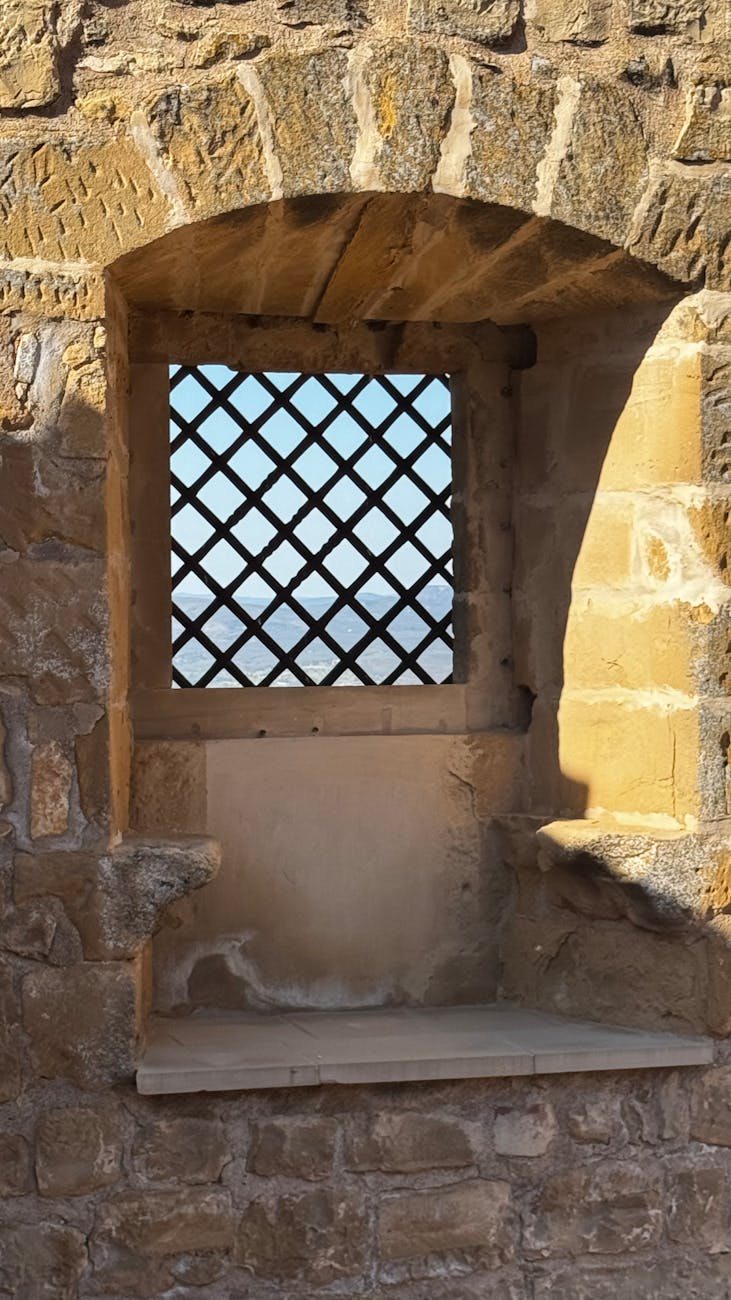
One medieval chronicle from Saint Peter’s in Erfurt records several of the noblemen who perished. Among them were Count Friedrich I of Abenberg, Count Heinrich I of Schwarzburg, Count Gozmar III of Ziegenhain, Burgrave Friedrich I of Kirchberg, Count Burchard of Wartburg, and Behringer von Wellingen, along with others whose names were not preserved.
That phrase, “other lesser names,” says a lot about how medieval records worked. The most powerful dead were more likely to be named, while many other victims could pass into history without individual notice.
The disaster was therefore not only gruesome but politically significant. The deaths of so many nobles in one place meant sudden changes in inheritance and local power.
The narrow escape of Henry VI
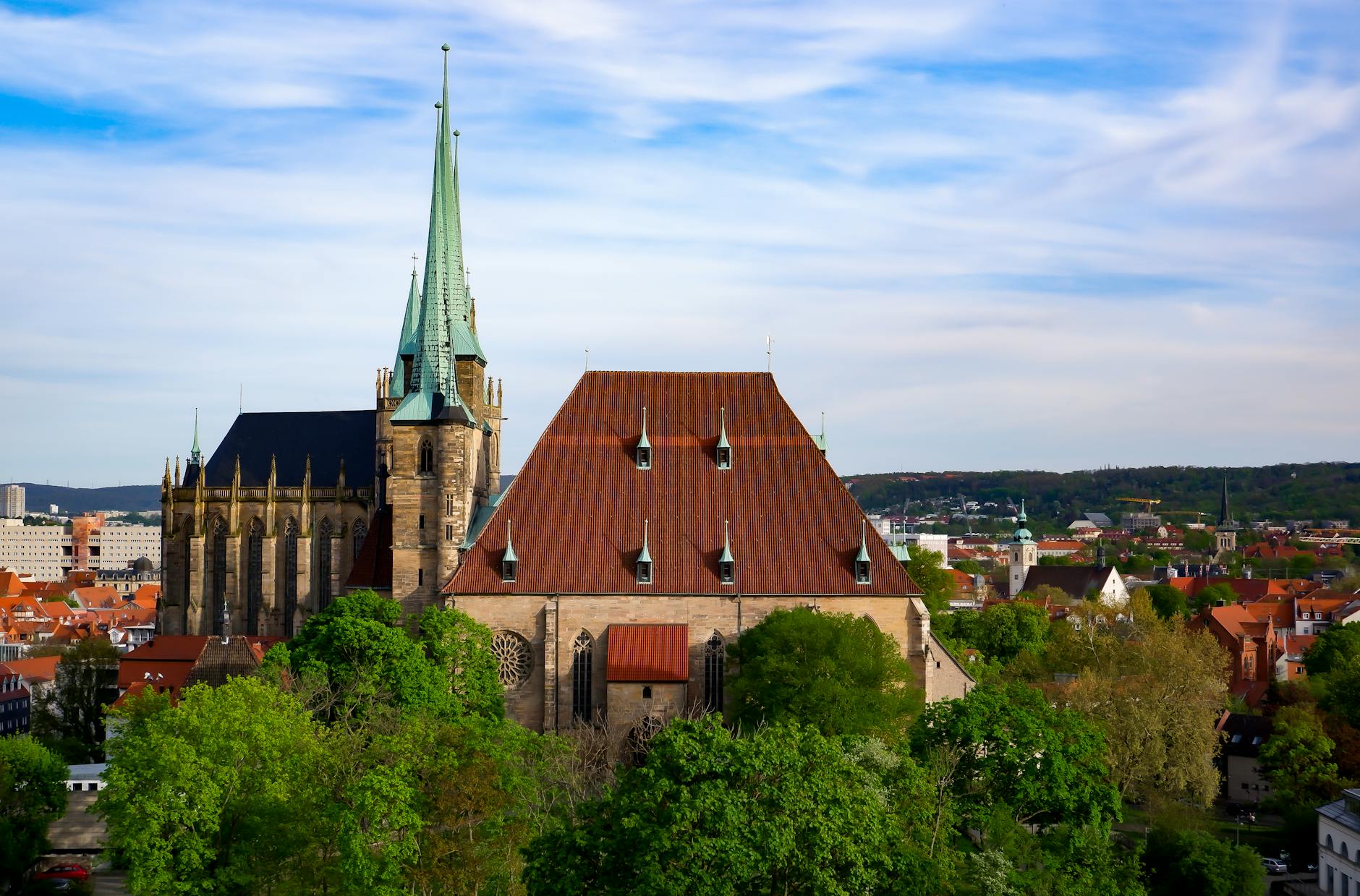
One of the most dramatic details is that Henry VI himself survived by only the smallest margin. He and Archbishop Conrad were sitting in a stone window alcove when the collapse happened.
An alcove is a recessed space built into a wall. Because this one was made of stone, it did not collapse with the wooden floor around it. The two men managed to cling there until rescuers arrived with ladders and brought them down safely.
Landgrave Louis was less fortunate in the immediate moment: he fell during the collapse. Even so, he survived and was rescued.
The image is almost cinematic. Below them, wreckage and sewage. Around them, panic and death. And in the middle of it, two of the meeting’s most important figures hanging in a stone recess, waiting for ladders.
The dispute remained unresolved
After the catastrophe, Henry VI did not stay in Erfurt to continue the mediation. He immediately departed and resumed his military campaign. The original dispute between Landgrave Louis and Archbishop Conrad remained unresolved.
So the meeting failed in every possible way. It did not restore peace between the rivals, and it instead became remembered as a calamity that killed many of the very people gathered to help shape political outcomes.
The aftermath also included changes in succession. Heinrich I of Schwarzburg’s estate passed to his brother Günther II. Gozmar III’s estate went to his daughter Liutgard, who would later marry Friedrich, the brother of Landgrave Louis. Friedrich I of Kirchberg’s estate passed to his son Heinrich, and Burchard of Wartburg’s estate passed to his son Ludwig.
These details show that the collapse was not merely a bizarre accident. It had real consequences for noble families, property, and regional politics.
Why the story survived for centuries
Many medieval disasters are obscure today, but this one endured. Part of the reason is obvious: the ending was so grotesque and humiliating that it lodged firmly in memory. A gathering of elite men, assembled in authority and ceremony, ended in a cesspit.
Over time, the event entered local folklore. Ludwig Bechstein included a version of the tale in his Deutsches Sagenbuch, published in 1853. In that retelling, Heinrich of Schwarzburg is said to have repeatedly declared, “If I did that, I’d have to drown in the privy.” In the story’s grim irony, he then dies exactly that way during the disaster, alongside Friedrich of Abenberg.
The folkloric version changes several details. It renames and reshapes people, turns the Hoftag into a Reichstag, shifts the location to the Benedictine Monastery of Saints Peter and Paul, and replaces the cesspit with a sewer. Those differences are a reminder of how historical memory evolves: facts get bent, names drift, and irony becomes sharper with retelling.
But the core image remained the same. Pride, power, and ceremony collapsed into filth.
A medieval structural failure still remembered today
The Erfurt latrine disaster stands out not just because it was disgusting, but because it was also a classic structural failure. Rotten support beams, too much weight, and a crowded upper floor created the conditions for sudden collapse.
That combination makes the event feel strangely modern. Even though it happened in 1184, it reflects a timeless danger: when a building’s hidden weaknesses meet human overconfidence, disaster can strike instantly.
Yet what gives this event its lasting place in history is the cruel contrast at its center. A royal effort to mediate a dispute. An assembly of nobles and bishops. A setting near a cathedral. Then, in moments, a plunge through splintered floors into a cesspit.
It is no wonder the story has lasted. Few historical disasters capture so vividly how quickly status, ceremony, and control can vanish.