The Nanjing Massacre remains one of the most painful and contested events of the Second Sino-Japanese War. The violence itself was immense, but the struggle did not stop when the killing subsided. In many ways, a second battle began afterward: the battle over evidence, responsibility, and memory.
That is one reason the subject still carries such force in discussions of history, war, and national identity. Trials were held, documents vanished, witnesses spoke out, and later generations argued fiercely over what happened, how many people were killed, and who should be held responsible. The result is that Nanjing is not only remembered as a wartime atrocity, but also as a case study in how societies confront—or refuse to confront—their past.
After the massacre: trials, punishment, and immunity
Following Japan’s surrender, several leading figures connected to the events at Nanjing were tried for war crimes. War crimes are serious violations of the laws and customs of war, such as murdering prisoners of war or civilians.
General Iwane Matsui, one of the senior commanders linked to the campaign, was indicted before the International Military Tribunal for the Far East. He was convicted on the grounds that he failed to take effective action to stop the atrocities. Kōki Hirota was also convicted, and both men were later sentenced to death and hanged on December 23, 1948.
Other figures faced justice in separate proceedings. Hisao Tani was tried by the Nanjing War Crimes Tribunal in China, found guilty, sentenced to death, and executed in 1947. Toshiaki Mukai and Tsuyoshi Noda, the two officers associated with the notorious killing contest reported in wartime newspapers, were also tried, convicted, and executed along with Gunkichi Tanaka in 1948.
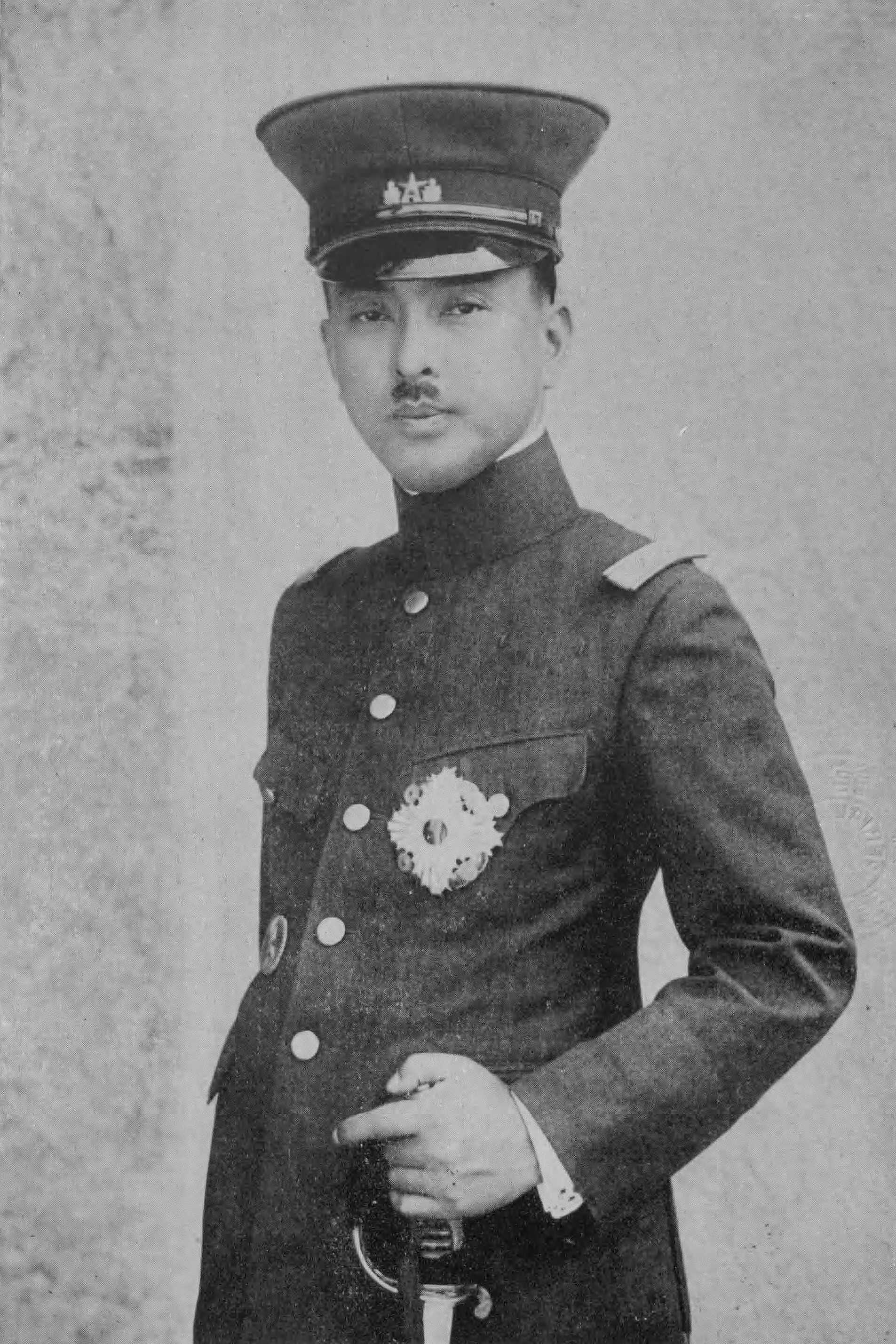
But not everyone was prosecuted. Prince Yasuhiko Asaka, who had been installed as temporary commander during the campaign, was granted immunity because he was a member of the imperial family and was never tried. Immunity means legal protection from prosecution. His case remains one of the most controversial aspects of the postwar reckoning.
The issue is especially significant because Prince Asaka was connected to the order to “kill all captives,” an order that gave official sanction to crimes committed during and after the battle. Some accounts say he signed the order directly, while others say it was sent by his aide-de-camp under his authority. Even where details are debated, he remained the ranking officer in charge and did not stop the carnage.
Why the evidence became a battlefield
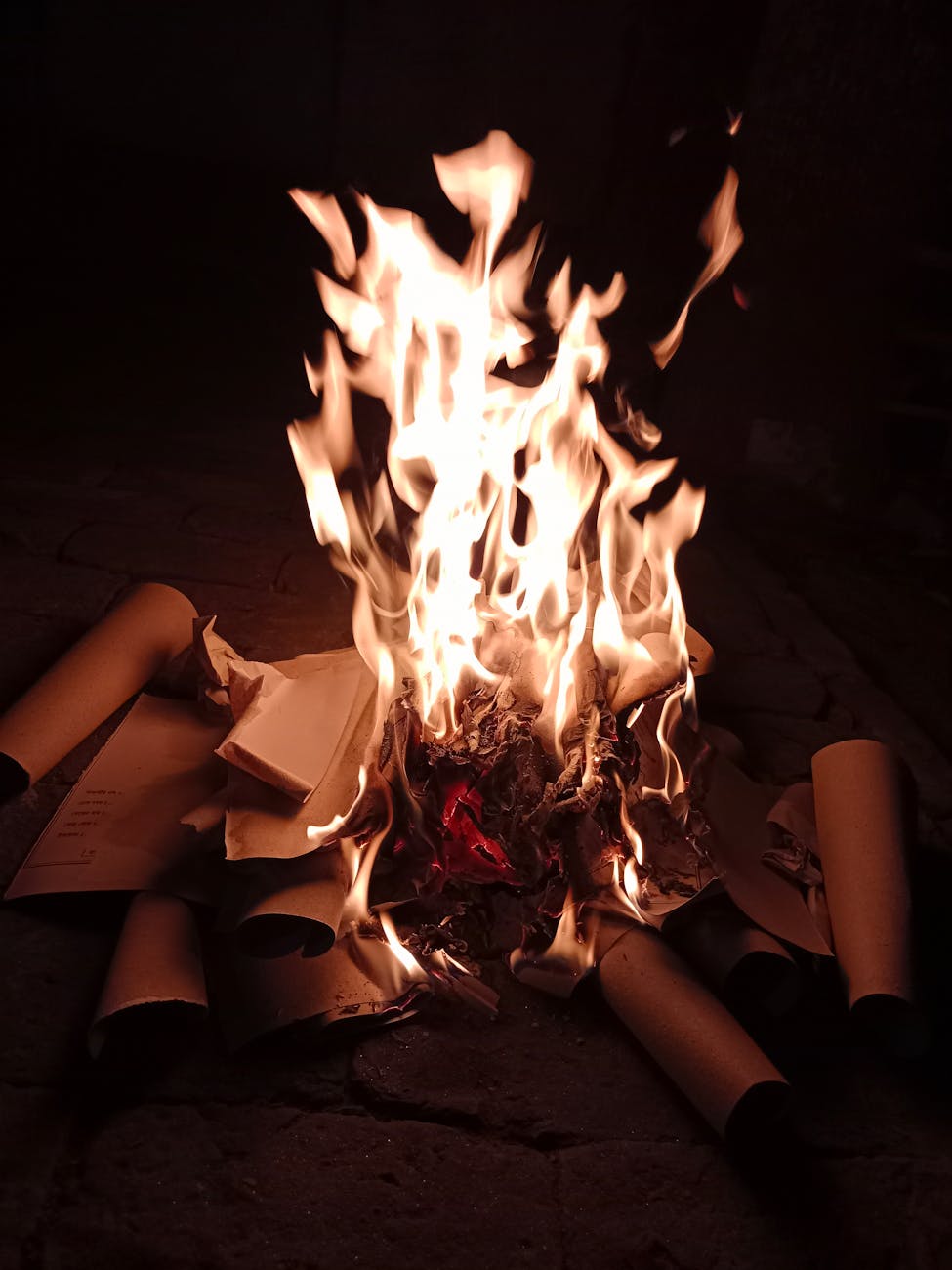
One of the main reasons arguments over Nanjing have lasted so long is that critical evidence was destroyed or concealed.
After Japan announced a ceasefire in August 1945 and before American forces fully arrived, Japanese military and civil authorities systematically destroyed archives. Orders were sent across East Asia and the Pacific instructing units to burn incriminating evidence of war crimes. Estimates cited in later research say that around 70 percent of Japan’s wartime records were destroyed. Some researchers have even argued that less than 0.1 percent of the material ordered for destruction survived.
This matters because archives are the paper trail of history. They can include military orders, field reports, diaries, telegrams, government records, and internal communications. When those records are burned or hidden, it becomes harder to reconstruct events precisely, especially questions like exact victim counts or chains of command.
In the case of Nanjing, this destruction sharply reduced the amount of evidence available for confiscation after the war. Important records relating directly to the Nanjing operations were concealed for decades. Some were only published much later, including collections of military documents and excerpts from commanders’ diaries.
That loss of documentation helped create the conditions for later disputes. Where archives are incomplete, denial, minimization, and politically motivated reinterpretation become easier.
Why we still know so much
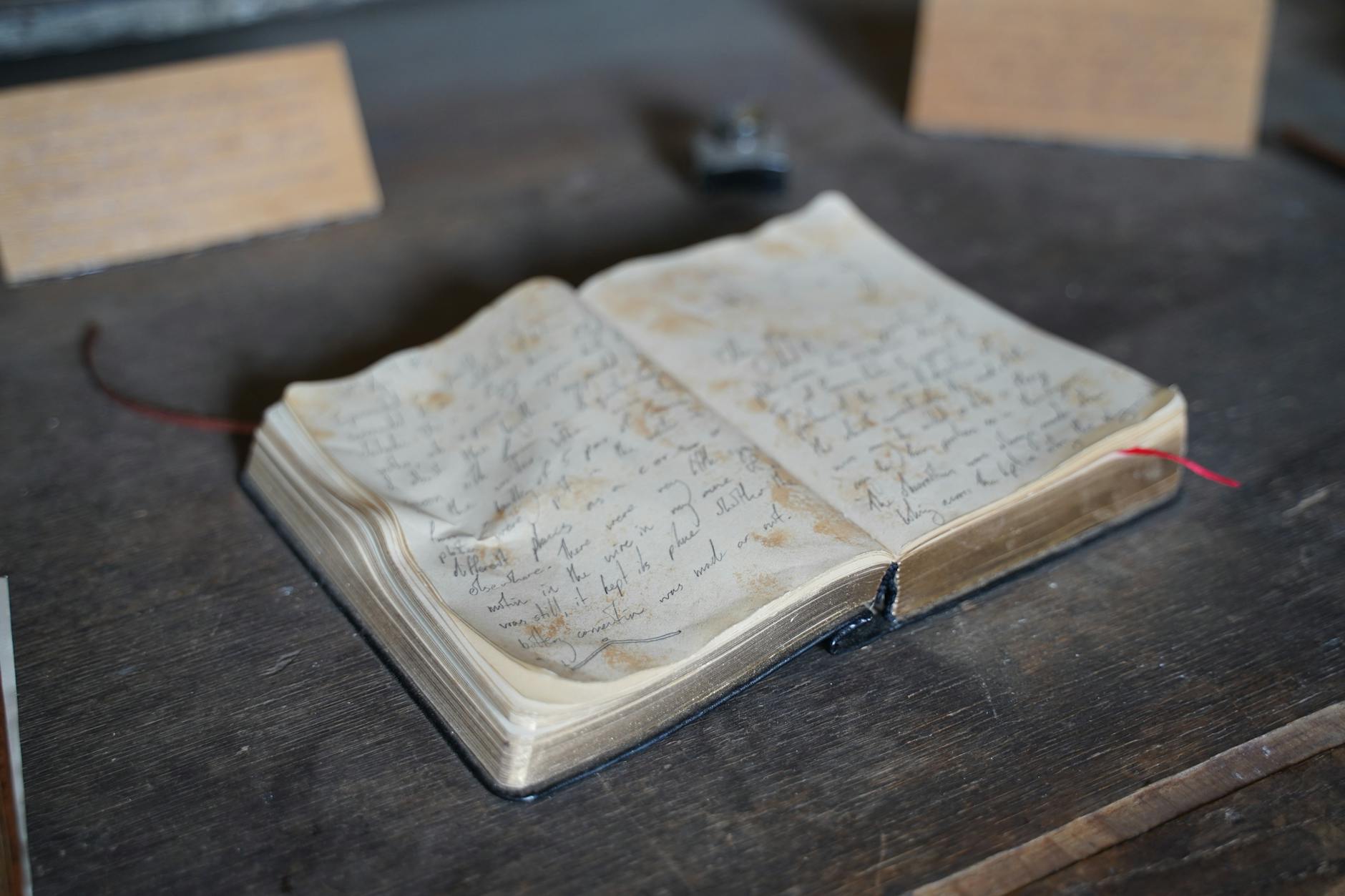
Despite the destruction of records, the history of the Nanjing Massacre did not disappear. That is because an unusually wide range of witnesses left behind evidence.
Foreign residents in Nanjing kept diaries, filed protests, wrote letters, and gave testimony. Members of the International Committee for the Nanking Safety Zone, including John Rabe, Lewis S. C. Smythe, George Fitch, James McCallum, and Robert O. Wilson, documented what they saw. Their accounts described killings, rapes, looting, arson, and the constant terror faced by civilians.
The Nanking Safety Zone itself became one of the most important parts of this story. It was an area organized by a committee of foreigners in an effort to protect civilians. John Rabe, a German businessman, led the committee. The zone is credited with saving at least 200,000 lives. Even so, it was repeatedly violated, with Japanese soldiers entering to seize men, assault women, and commit further crimes.
Minnie Vautrin, a Christian missionary who worked at Ginling Girls College within the Safety Zone, also left powerful written testimony. She sheltered thousands of female refugees and recorded the widespread violence in diary entries.
There was also visual evidence. American missionary John Magee shot 16 mm film and took photographs. Bernhard Arp Sindberg, a Danish guard who helped run a makeshift refugee camp at a cement factory, took graphic photos of the massacres and destruction and smuggled the undeveloped film out of China.
Just as importantly, evidence also came from Japanese sources. Wartime diaries written by Japanese soldiers and medics later surfaced. In 1994, nearly 20 such diaries collected by Ono Kenji were published. Kaikosha, an association of retired Japanese military veterans, interviewed former soldiers in the 1980s. Instead of disproving the massacre, these veterans confirmed that it had happened and openly described taking part in atrocities. The association even published an apology, calling the killings a “regrettable act of barbarity.”
That kind of testimony is especially significant because it came from people directly connected to the Imperial Japanese Army. A veterans’ association is an organization made up of former soldiers, so its findings carried particular weight in historical debates.
The death toll debate and why it remains explosive
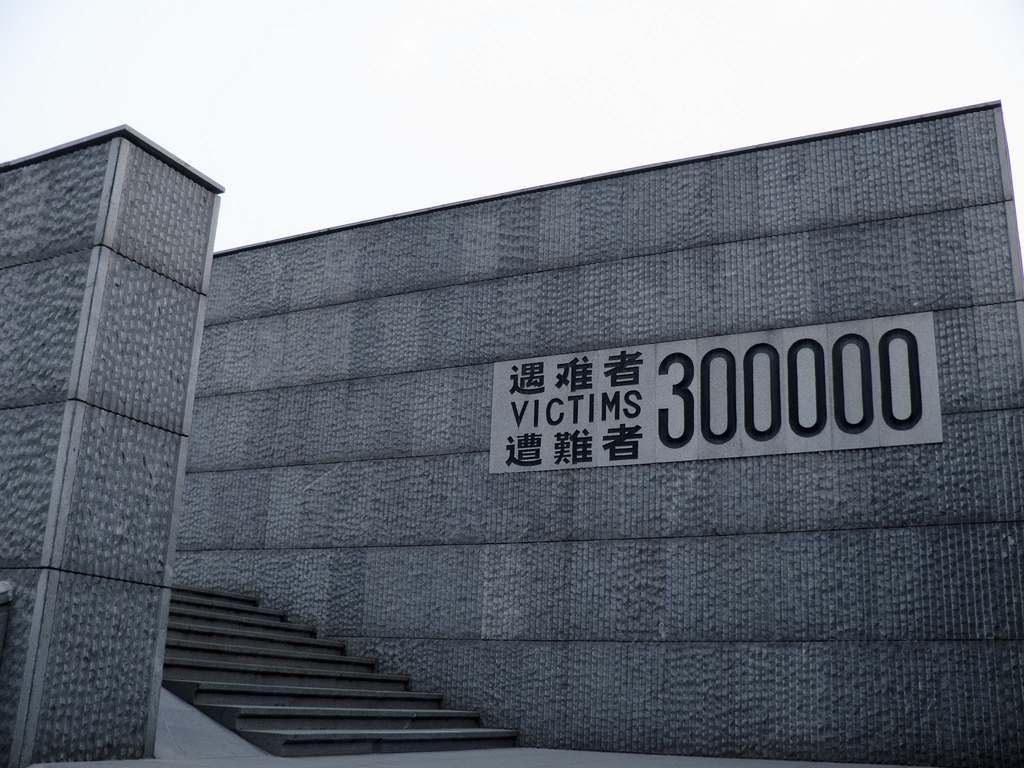
The exact number of people killed in the Nanjing Massacre remains disputed. But the dispute exists within a broad range of estimates that all point to enormous loss of life.
The International Military Tribunal for the Far East estimated that more than 200,000 civilians and prisoners of war were murdered in Nanjing and its vicinity during the first six weeks of the occupation. Many scholars support the validity of that estimate. Other commonly cited scholarly ranges place the death toll between 100,000 and 200,000.
There are also lower and higher estimates. John Rabe estimated that between 50,000 and 60,000 civilians were killed within the city walls, though later commentary suggested his number was likely too low because he could not see the entire area where atrocities occurred. Other estimates have extended higher, especially when a wider geographic area is included beyond the city itself.
This is where definitions matter. Historians disagree not only about how many people died, but also about what area and timeframe should count as “the Nanjing Massacre.” Some define it narrowly as the six weeks after December 13, 1937, inside the city and nearby zones. Others include the surrounding countryside and atrocities committed from early December 1937 until late March 1938.
That broader framing changes the numbers because the violence was not confined to the city center. Japanese forces committed massacres, rapes, arson, and executions in the surrounding counties as well.
Even if the precise figure remains debated, the reason the issue stays politically explosive is not just mathematics. It is the way denial and minimization have shaped public memory. When one side argues over whether the number was 100,000, 200,000, or 300,000, the debate often becomes less about historical method and more about guilt, legitimacy, and national image.
Memory, denial, and national identity
The fight over Nanjing did not remain inside courtrooms or history books. It became deeply tied to the politics of national identity in China and Japan.
In Japan, the event has long divided public opinion. Some scholars accept the findings of the postwar tribunals and argue that the massacre involved at least 200,000 casualties and around 20,000 rape cases. Others reject the tribunals as “victor’s justice” and minimize or deny the scale of the atrocity. Historical revisionists and some politicians have denied or downplayed what happened.
Revisionism means reinterpreting history, often in a way that challenges accepted evidence. In the context of Nanjing, the term is often used for efforts to reduce the scale of the massacre or question whether it occurred as established by the evidence.
In China, memory of the massacre gradually became a central part of public commemoration and national historical consciousness, especially from the 1980s onward. Memorials were built, names of victims were published, and December 13 became Nanjing Massacre Memorial Day in China in 2014. In 2015, documents relating to the massacre were entered into UNESCO’s Memory of the World Register.
The massacre also became a major issue in Sino-Japanese relations. Trade between China and Japan has grown to enormous levels, but distrust has persisted. One reason is the continuing sense that reconciliation is incomplete when denial or minimization still appears in public life.
The argument over Nanjing therefore became larger than the event itself. It turned into a struggle over whether a nation should admit past wrongdoing, how historical responsibility should be remembered, and what kind of identity a modern state wants to project.
Why the memory still burns
Nanjing remains politically charged because the historical record is both overwhelming and incomplete. Overwhelming, because so many witnesses, diaries, burial records, photographs, letters, films, and confessions point to mass killing, rape, looting, and arson. Incomplete, because so much official evidence was destroyed and because exact totals can never be perfectly reconstructed.
That tension leaves room for endless argument. But it also explains why Nanjing is still discussed today with such intensity. The debate is not only about what happened in 1937 and 1938. It is also about how societies deal with atrocity after the fact: who is punished, who is shielded, what evidence survives, and who gets to define the past.
In that sense, the fight over memory never ended. It became part of the history itself.