Pick up a smartphone, switch on a laptop, or think about the batteries and components that keep modern life humming, and Africa is already part of the story. The continent is extraordinarily rich in mineral resources that are central to industry and electronics. It holds 90% of the world’s cobalt and platinum, 98% of its chromium, 70% of its tantalite, 64% of its manganese, 50% of its gold, and one-third of its uranium.
That makes Africa more than a large landmass or a fast-growing population center. It is one of the world’s great resource hubs, with materials that feed supply chains far beyond the continent itself.
Watch the story on DeepSwipe

Why these minerals matter
Some of these materials are easy to recognize, like gold. Others sound more technical but are deeply woven into modern manufacturing.
Cobalt is one of the continent’s standout resources. Africa holds 90% of the world’s cobalt, making it a major part of the global mineral economy. Platinum is another metal of enormous significance, and Africa also holds 90% of the world’s supply.
Chromium, of which Africa holds 98% of global reserves, is another strategic material. Manganese, with 64% of the world’s total on the continent, adds to that picture of overwhelming mineral weight.
Then there is tantalite, a less familiar name to many readers. Tantalite is an ore, meaning a naturally occurring rock or mineral from which a valuable element can be extracted. In this case, it is important because it is linked to tantalum, a metal used in electronic devices. Africa holds 70% of the world’s tantalite, showing just how central the continent is to technology-related raw materials.
The Democratic Republic of the Congo and coltan
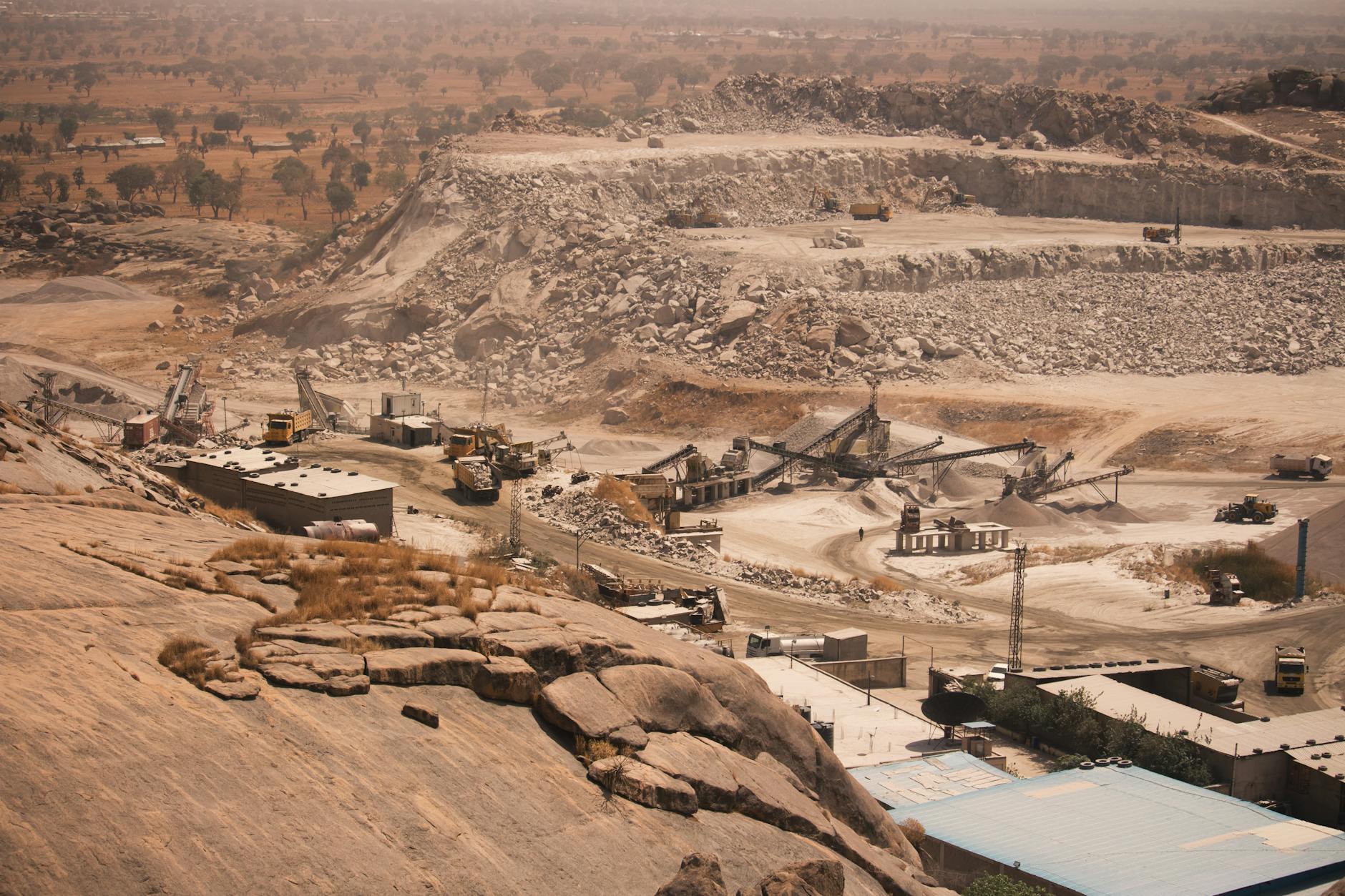
No discussion of Africa’s role in modern tech minerals is complete without the Democratic Republic of the Congo, often shortened to the DRC. According to the figures given here, the DRC alone has 70% of the world’s coltan and more than 30% of the world’s diamond reserves.
Coltan is a mineral mixture containing columbite and tantalite. It is mined because it yields tantalum, which is used in the production of tantalum capacitors for electronic devices such as cell phones. A capacitor is a component that stores and releases electrical energy inside circuits, helping electronic devices function properly.
That means the DRC sits at the center of one of the modern world’s most important material chains. When people talk about the hidden physical ingredients inside portable electronics, this is exactly the kind of resource they mean.
The country’s diamond reserves add another layer to its mineral importance. Having more than 30% of the world’s diamond reserves is remarkable on its own, but alongside its coltan share, it highlights how concentrated some of the world’s valuable mineral wealth is in one African state.
Guinea and the bauxite connection
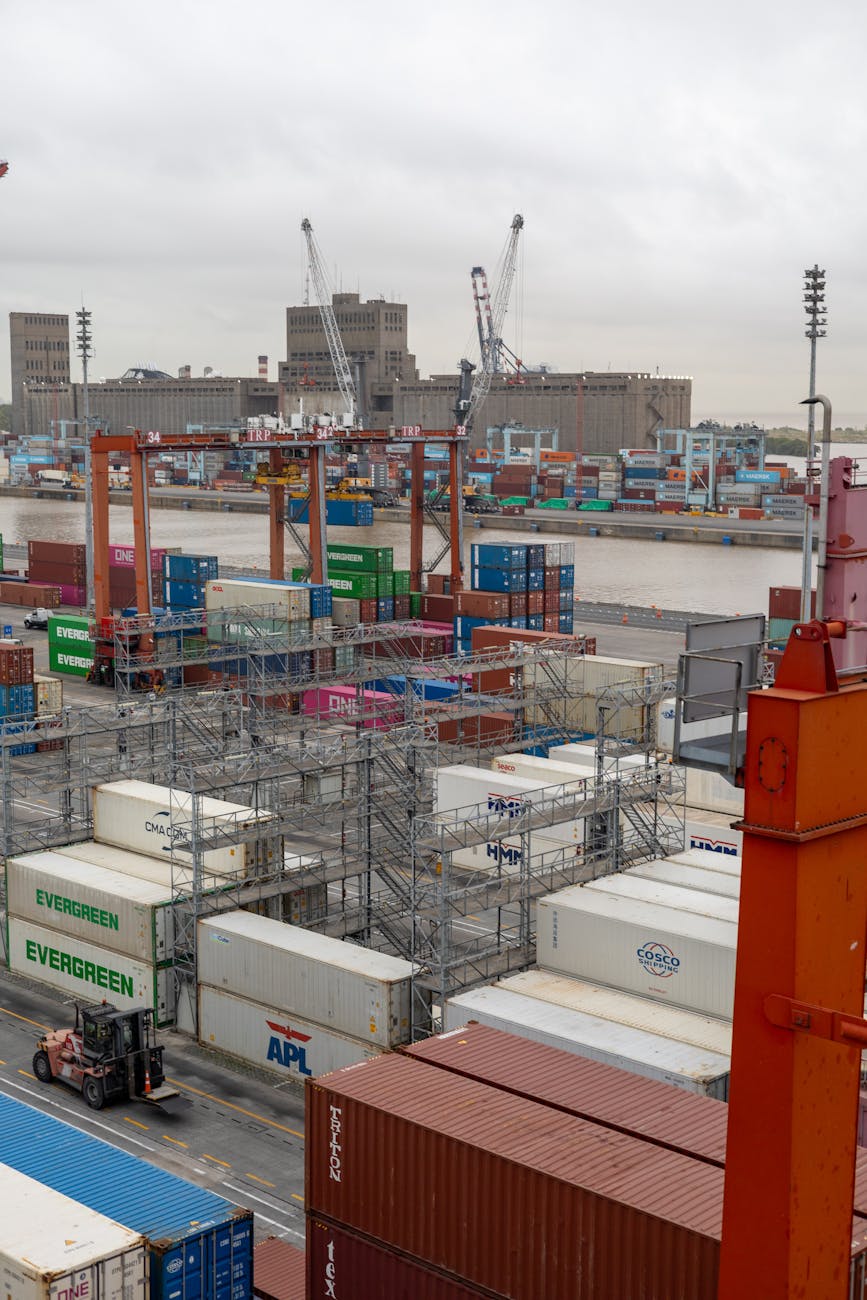
Another key player is Guinea, described as the world’s largest exporter of bauxite. Bauxite is the main ore used to make aluminum, one of the most widely used industrial metals in the world.
Because aluminum is valued for being useful across manufacturing, transport, and other industries, bauxite is a major export commodity. Guinea’s leading role in bauxite exports shows that Africa’s mineral importance is not limited to rare or highly specialized materials. It also extends to large-scale industrial raw materials that support everyday economic activity across the globe.
A continent rich in resources, but not in wealth
This mineral abundance exists alongside one of the biggest paradoxes in the global economy. Africa has a large quantity of natural resources, yet it is the least wealthy inhabited continent per capita and the second-least wealthy by total wealth, ahead of Oceania.
A range of factors have been used by scholars to explain this, including geography, climate, corruption, colonialism, the Cold War, and neocolonialism. At the same time, recent economic expansion and Africa’s large and young population have made the continent an increasingly important market in the broader global context.
So the picture is not simple. Africa is not merely a place of extraction, nor is it defined by a single economic story. It is a continent with enormous assets, but also with long-standing structural challenges.
“Growth without jobs” explained
One of the most striking phrases used about Africa’s recent economy is “growth without jobs.” This refers to a situation where the economy grows, but that growth does not create enough employment or meaningfully reduce poverty.
Recent growth in Africa has been driven mainly by services rather than manufacturing or agriculture. Services can include sectors such as finance, trade, communications, and other non-industrial economic activity. That kind of growth can raise national output figures without necessarily generating broad-based work opportunities.
This helps explain why impressive resource wealth and even periods of economic growth have not always translated into better living conditions for large numbers of people. The same source notes that this pattern was growth without jobs and without reduction in poverty levels.
That is the paradox in sharp form: a continent central to minerals, energy resources, and global trade can still struggle to convert those advantages into widespread prosperity.
Trade ties and China’s growing role
Another major piece of the story is trade. In recent years, China has built increasingly stronger ties with African nations and is now Africa’s largest trading partner. In 2007, Chinese companies invested a total of US$1 billion in Africa.
This matters because minerals do not just sit in the ground as facts on a map. They become globally important through trade networks, investment, infrastructure, and industrial demand. Stronger links with major trading partners can increase exports and foreign investment, and they have been part of the continent’s economic growth story in the 21st century.
Improved stability and economic reforms also helped drive more foreign investment into many African nations, with China highlighted as a major source. Between 2000 and 2014, annual GDP growth in sub-Saharan Africa averaged 5.02%, doubling total GDP from $811 billion to $1.63 trillion in constant 2015 US dollars. North Africa saw comparable growth rates.
Still, overall growth slowed after 2014, driven in part by falling commodity prices, continued lack of industrialisation, and the effects of epidemics including Ebola and COVID-19.
Resources, exports, and the bigger economic puzzle
Africa’s mineral story sits inside a broader economic reality. The continent has abundant natural resources, but poverty, inadequate infrastructure, and limited industrial development have affected many countries. After independence, many states were hampered by instability, corruption, violence, and authoritarianism, and these conditions often made long-term economic transformation harder.
Even relatively stable countries often experienced only slow development due to limited financial resources or limited access to global markets. In this context, mineral wealth can be a huge opportunity, but it does not automatically create strong institutions, manufacturing sectors, or rising incomes.
There is also a warning in the history of export dependence. The continent’s growth has often been connected to external demand, whether for oil, metals, or other raw materials. When commodity prices fall, economies heavily tied to those exports can feel the shock quickly.
Why Africa matters to the future of technology
Africa’s role in modern technology is not hypothetical. It is already built into the material foundation of the global economy. Cobalt, platinum, chromium, tantalite, manganese, gold, uranium, coltan, diamonds, and bauxite are not niche footnotes. Together, they form part of the raw infrastructure behind electronics, industry, and trade.
The continent is also becoming more significant because of its demographics and market scale. With nearly 1.4 billion people as of 2021 and the youngest population of any continent, Africa is not only a source of minerals but also an increasingly important economic market.
That combination matters. A continent with vast natural resources, a large young population, and growing trade connections has enormous global relevance. The challenge, and the fascination, lies in how those resources connect to development, jobs, and prosperity.
The real takeaway
Africa is one of the mineral engines of the modern world. The numbers alone are startling: 90% of global cobalt and platinum, 98% of chromium, 70% of tantalite, half of the world’s gold, and a dominant role in resources like coltan and bauxite through countries such as the DRC and Guinea.
But the bigger story is not just about what lies underground. It is about the tension between extraordinary natural wealth and uneven economic outcomes. It is about how a continent can be indispensable to modern technology while still grappling with poverty, underdevelopment, and growth that does not create enough jobs.
In other words, the gadget in your hand is connected to a much larger story — one about resources, trade, power, and the unfinished economic transformation of a continent that helps power the modern world.