For most of human history, people lived as hunter-gatherers. They moved from place to place, following animals, seasons, and edible plants. Then, beginning around 10,000 BCE, a transformation began that changed nearly everything: agriculture.
This shift, often called the Neolithic Revolution, was not just about planting seeds. It changed where people lived, how they worked, how many children communities could support, and how power was organized. Villages appeared, food surpluses grew, and the foundations of cities and states were laid.
Watch the story on DeepSwipe
The moment humans began to settle
Before farming, Paleolithic humans were generally nomadic. That means they did not stay in one permanent place. Their lifestyle depended on hunting wild animals and gathering naturally available foods.
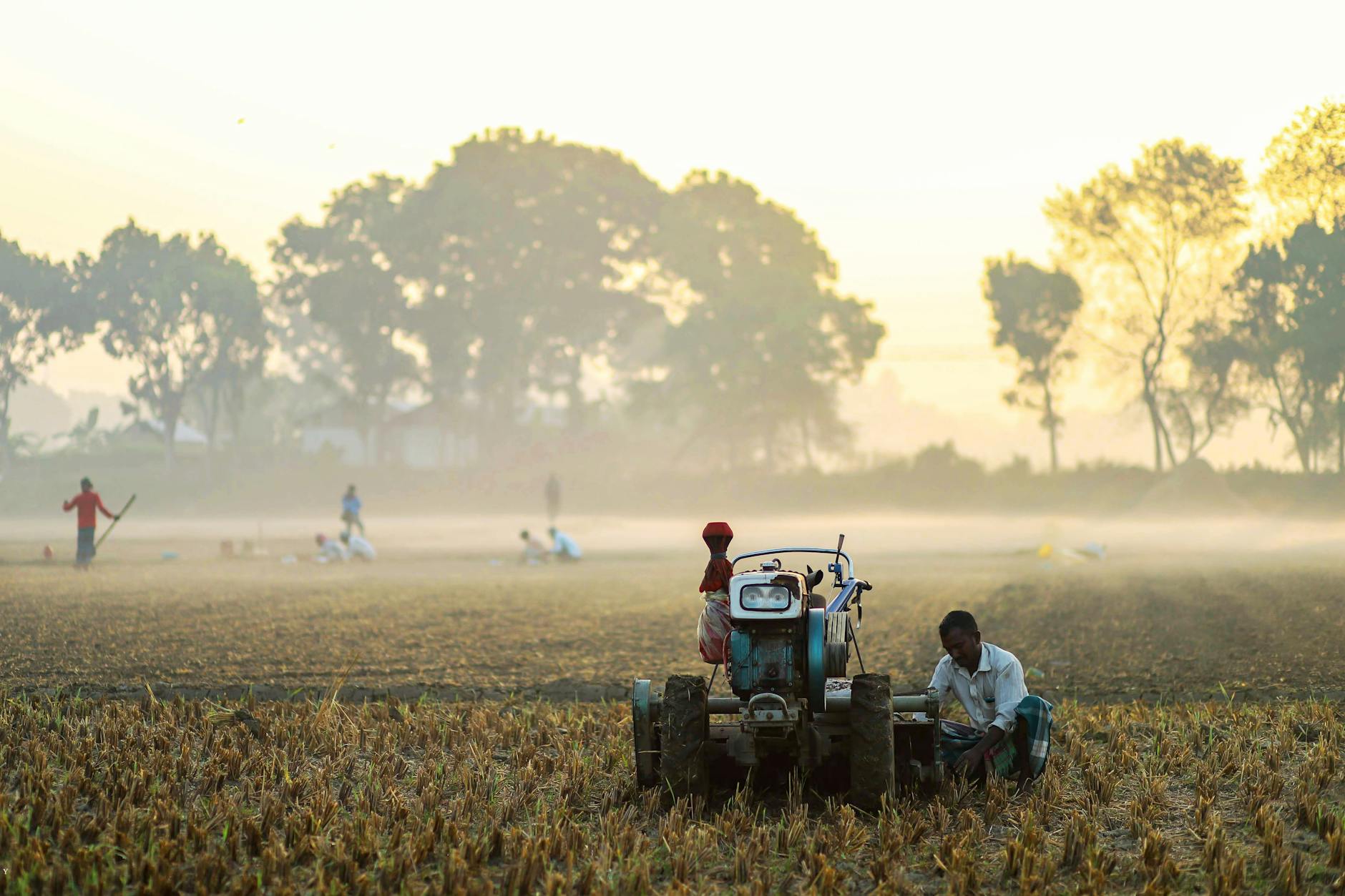
Agriculture changed that pattern. As people began to cultivate crops and domesticate animals, many communities moved toward sedentary life. A sedentary existence means living in one place for long periods rather than constantly moving. Permanent settlements became possible because food could now be produced locally and stored.
This was one of the biggest turning points in human history. A mobile way of life gave way, in many regions, to villages of farmers whose daily routines were tied to fields, seasons, and herds.
Farming did not begin in just one place
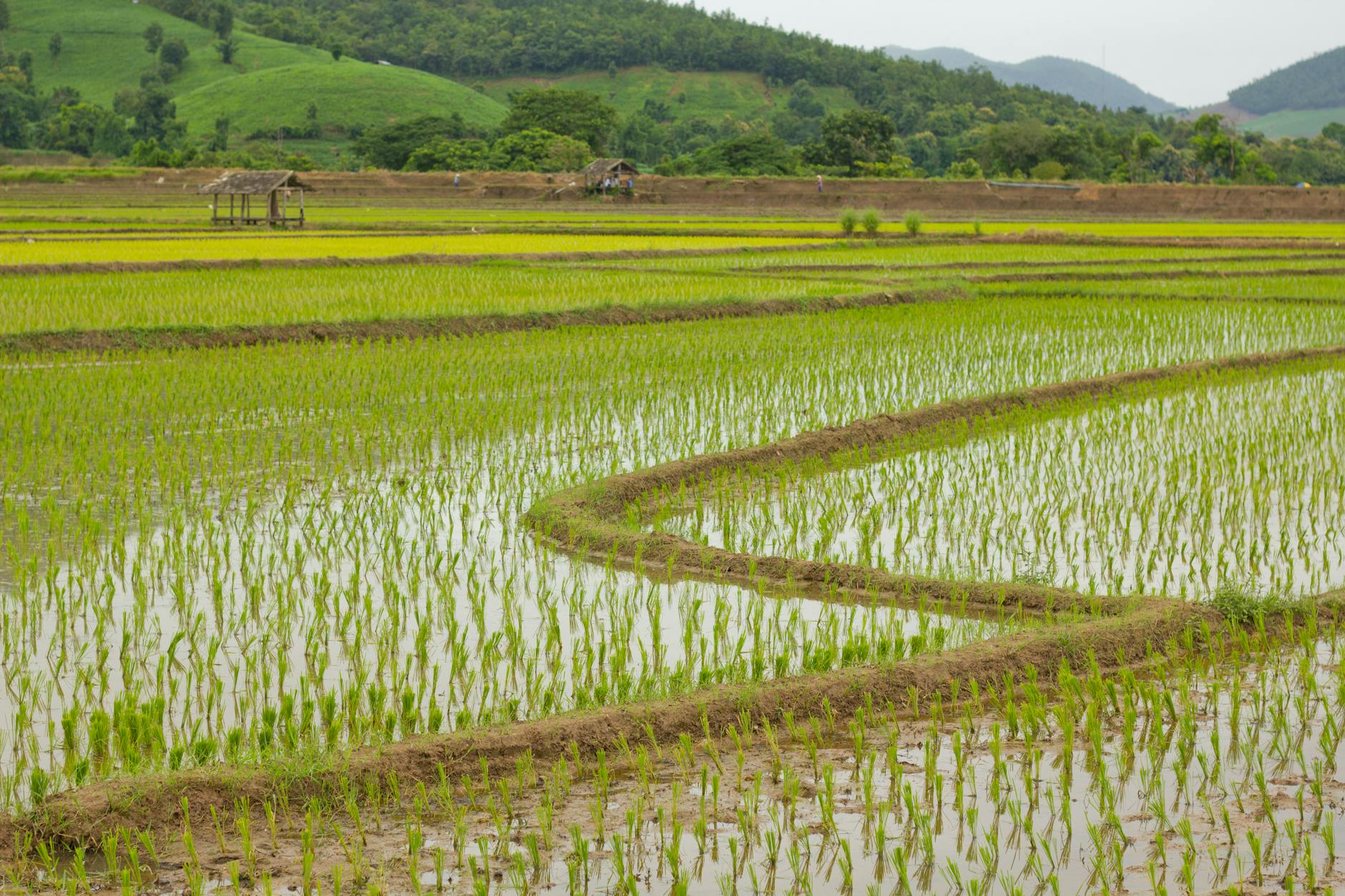
One of the most striking things about the Neolithic Revolution is that it did not happen only once. Agriculture began independently in different parts of the world, in at least 11 separate centers of origin.
That means people in different regions, without relying on a single shared starting point, developed farming on their own.
In Mesopotamia, by at least 8500 BCE, people were cultivating wheat and barley and domesticating sheep and goats. Mesopotamia was the region between the Tigris and Euphrates rivers, an area long associated with some of the earliest large societies.
In China, the Yangtze River Valley domesticated rice around 8000–7000 BCE, while the Yellow River Valley may have cultivated millet by 7000 BCE. Pigs became the most important domesticated animal in early China.
In Africa’s Sahara, people cultivated sorghum and several other crops between 8000 and 5000 BCE. Other agricultural centers also developed in the Ethiopian Highlands and the West African rainforests.
In the Indus River Valley, crops were cultivated by 7000 BCE, and cattle were domesticated by 6500 BCE.
In the Americas, agriculture was taking shape too. Squash was cultivated in South America by at least 8500 BCE, and domesticated arrowroot appeared in Central America by 7800 BCE. In the Andes of South America, potatoes were first cultivated, and the llama was also domesticated.
So the story of farming is not the story of one invention spreading everywhere. It is the story of many human communities, in many landscapes, finding new ways to shape nature for food.
Why did agriculture begin?

Historians and researchers have proposed several explanations for why the Neolithic Revolution happened.
Some theories point to population growth. In this view, more people meant greater pressure to find reliable food sources. Others reverse that logic and argue that population growth was more an effect than a cause, because better food supplies allowed communities to grow.
Other suggested causes include climate change, resource scarcity, and ideology. In simple terms, climate change could alter what foods were available; scarcity could push people to experiment; and ideology suggests that beliefs or cultural values may also have influenced the adoption of farming.
There is no single simple answer. What is clear is that agriculture was a profound change in the relationship between humans and their environment.
The crops and animals that changed everything
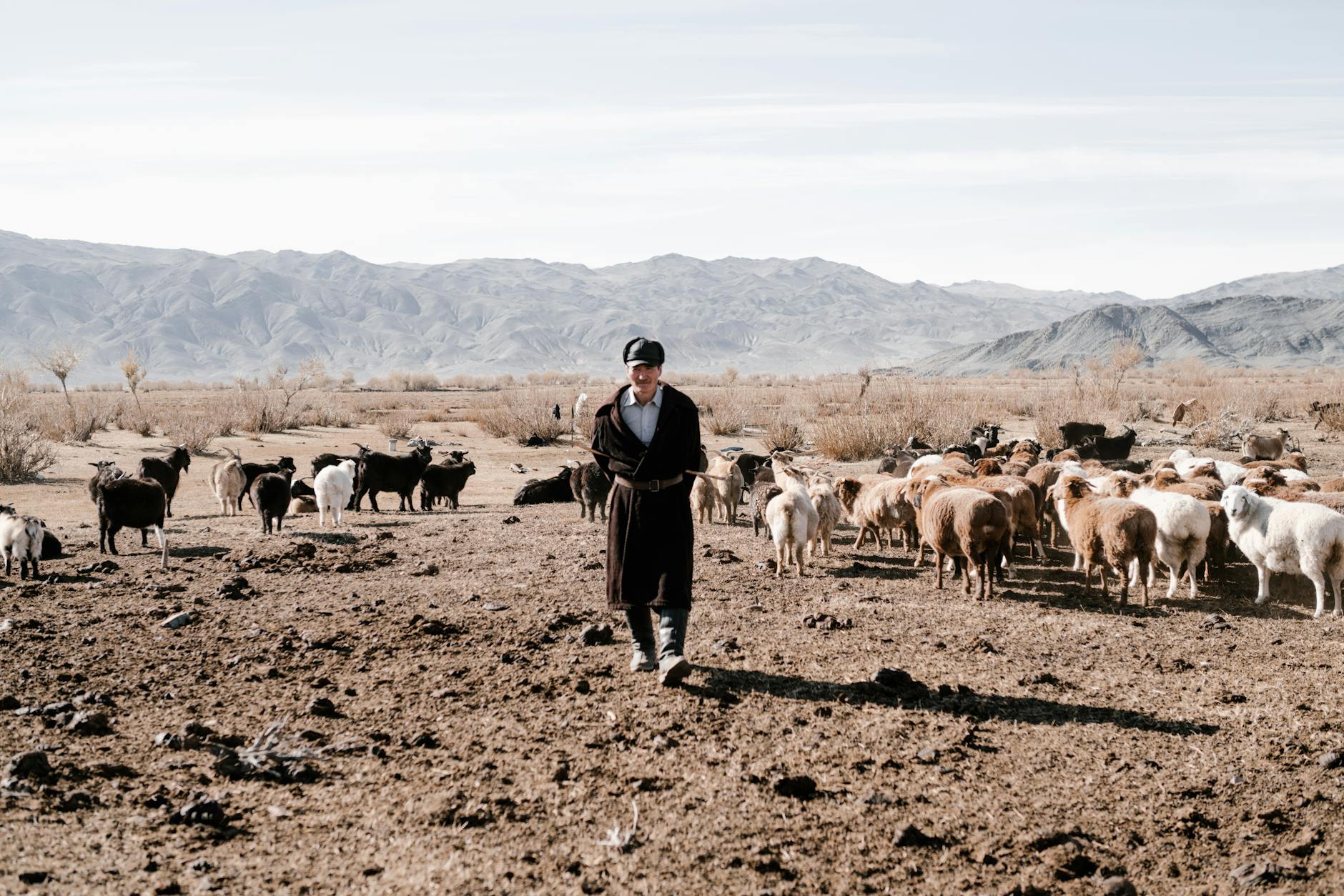
The Neolithic Revolution involved both plant cultivation and animal domestication.
Domestication means humans gradually changed plants and animals through controlled use and breeding, favoring traits they found useful. For plants, this meant species that were easier to harvest or more productive. For animals, it meant species that could be herded, bred, or relied upon for food and other uses.
Different regions specialized in different plants and animals. Wheat and barley became central in Mesopotamia. Rice and millet became staples in China. Sorghum mattered in the Sahara. Potatoes became vital in the Andes. Sheep, goats, pigs, cattle, and llamas all played important roles in different agricultural worlds.
This regional diversity matters because it shows that early agriculture was never one-size-fits-all. People worked with the species their environments made available.
The hidden pioneers of domestication

A particularly important idea connected with the rise of agriculture is that women likely played a central role in plant domestication.
This is easy to overlook in broad narratives of early history, but it matters enormously. If plant domestication was one of the key processes that made agriculture possible, then the people who carried out and refined that work were helping build the foundations of settled human civilization.
The Neolithic Revolution was not only a technological or economic change. It was also the product of human observation, experimentation, and labor across generations.
From food surplus to social complexity
The biggest consequence of farming was not simply that people had crops. It was that agriculture could produce food surpluses.
A surplus is more food than a community needs for immediate survival. Once that happens, not everyone has to spend all their time obtaining food. Some people can specialize in other activities.
According to the historical record, this shift permitted far denser populations and the creation of the first cities and states. In other words, farming made it possible for large numbers of people to live together in permanent settlements, and eventually in urban societies.
Cities became centers of trade, manufacturing, and political power. They were linked to surrounding rural areas in a mutually beneficial relationship: the countryside provided agricultural goods, while cities provided manufactured products and varying degrees of political control.
This is one of the clearest reasons the Neolithic Revolution matters so much. It set in motion the social complexity that later defined civilization.
Why villages became the seed of states
As settlements grew, so did organization. Larger populations required more coordination. Agricultural life ties people to land, seasons, storage, and property in ways that nomadic life generally does not.
That helped create conditions in which the first cities and states could emerge. States are political systems that exercise authority over a population and territory. Cities concentrate people, goods, and decision-making in one place.
The rise of dense farming communities did not instantly create civilizations, but it made them possible. The first great civilizations of the ancient world emerged only after these earlier agricultural changes had taken root.
Farmers and herders: a recurring conflict
Not everyone adopted the same way of life. Alongside agricultural settlements, pastoral societies also developed.
Pastoral societies were based on nomadic animal herding rather than crop cultivation. These societies often emerged in dry regions less suited to farming, such as the Eurasian Steppe and the African Sahel. The steppe is a vast grassland zone, while the Sahel is the semi-arid belt just south of the Sahara Desert.
Because herders and farmers used land differently, conflict between nomadic pastoralists and sedentary agriculturalists was frequent. This tension became a recurring theme in world history.
That phrase is important. It means these clashes were not isolated accidents. The contrast between mobile herding societies and land-rooted farming communities shaped political and military history again and again.
New technologies in the Neolithic world
The Neolithic era was not only about crops and villages. It also saw technological developments that mattered for later history.
Metalworking first appeared in the creation of copper tools and ornaments around 6400 BCE. Gold and silver followed, mainly for ornaments. The first signs of bronze, an alloy of copper and tin, date to around 4500 BCE, though bronze was not widely used until the 3rd millennium BCE.
These developments belong to the wider transformation of human societies as they became more settled, more specialized, and more interconnected.
Why the Neolithic Revolution still matters
The Neolithic Revolution changed the scale of human possibility. It allowed populations to grow, settlements to become permanent, labor to diversify, and power to concentrate. It also created new social tensions, including recurring conflict between farming and herding peoples.
Most importantly, it laid the groundwork for the world that followed. Without agriculture, there would have been no dense village life, no first cities, and no early states.
The story of farming is, in a sense, the story of how humans began remaking the planet and themselves. What began with wheat, barley, rice, millet, sorghum, squash, potatoes, and domesticated animals became the basis for increasingly complex societies across the globe.
The day humans stopped wandering was not a single day at all. It was a long, uneven transformation. But it remains one of the most powerful turning points in all of history.