Many people talk about the first days after childbirth and the famous six-week checkup, as if postpartum recovery has a clear finish line. In reality, recovery can continue far beyond that point. The delayed postpartum period begins after the earlier stages of healing and can last for up to six months after birth.
This later phase matters because the body is still repairing, adjusting, and trying to return toward its pre-pregnancy state. For some women, healing is gradual but steady. For others, symptoms can linger, improve only slowly, or remain long term.
Watch the story on DeepSwipe
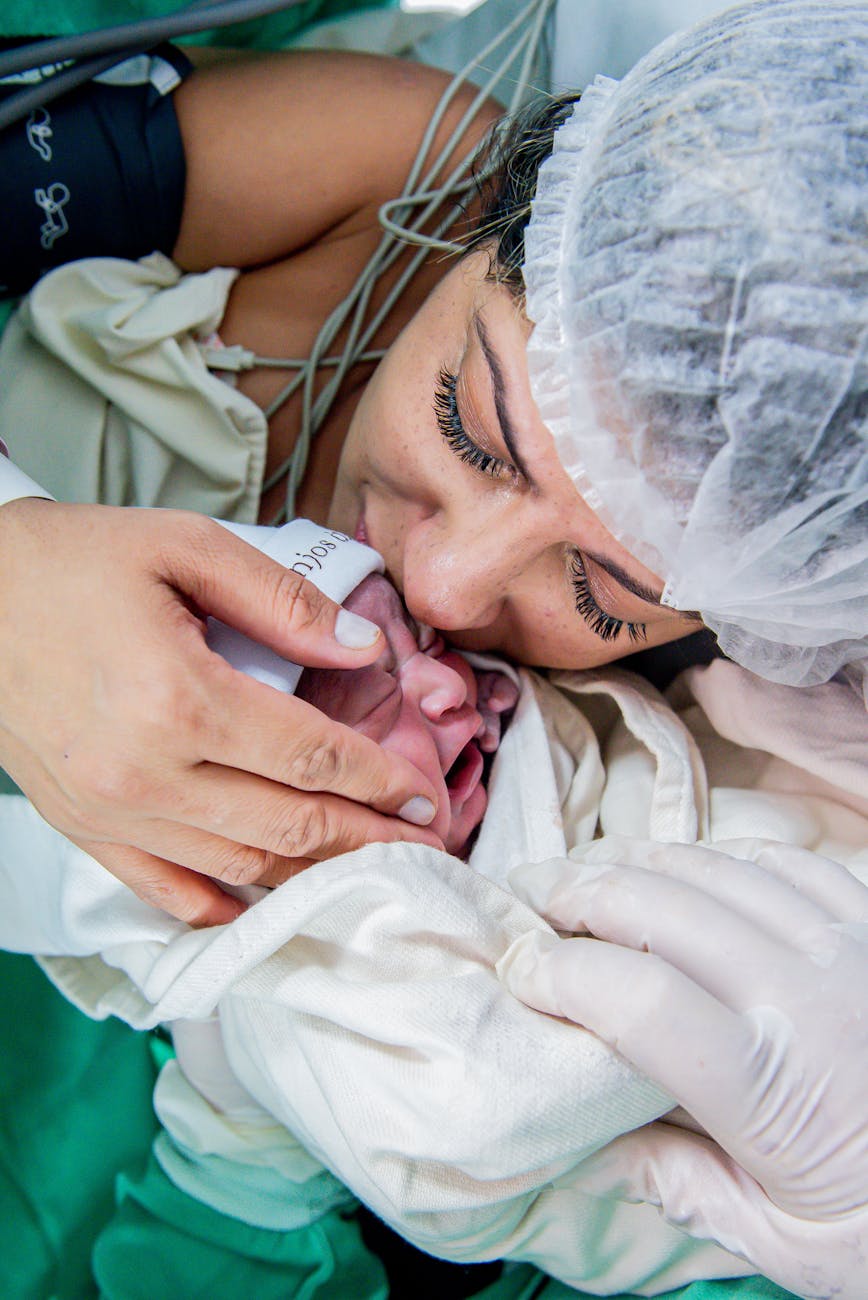
What is the delayed postpartum period?
The postpartum, or postnatal, period begins right after childbirth. It is often divided into three phases:
- the acute phase, lasting for the first hours after birth
- the subacute phase, lasting for weeks
- the delayed phase, lasting up to six months
The delayed postpartum period is the stretch of recovery that starts after the subacute phase ends. During this time, muscles and connective tissue continue moving back toward a pre-pregnancy state.
Connective tissue is the body’s supporting framework. It includes tissues that help hold organs and structures in place. After pregnancy and birth, these tissues may still be weakened or strained, which is one reason recovery can feel much slower than people expect.
Why recovery can be so slow

Childbirth places major physical demands on the body. Even after the early healing has happened, deeper recovery may still be underway for months. This is especially true after birth complications.
Several factors can affect the chances of ongoing postnatal problems, including:
- the size of the infant
- the method of delivery, such as cesarean section or forceps
- trauma to the perineum, including episiotomy or natural tearing
- the physical condition of the mother
The perineum is the area between the vaginal opening and the anus. If it was stretched, torn, or cut during birth, healing may take time and can influence later symptoms.
The delayed postpartum period is often overlooked, even though it can shape comfort, mobility, bladder and bowel function, sexual health, and emotional well-being.
Symptoms that can continue into the delayed phase

Some postpartum problems do not simply disappear after the first few weeks. In the delayed postpartum period, recovery from childbirth complications is often very slow.
Problems that may continue include:
- urinary incontinence
- fecal incontinence
- painful intercourse
- pelvic prolapse
Urinary incontinence means accidental leaking of urine. Fecal incontinence means accidental leaking of stool. These can be distressing, inconvenient, and difficult to talk about, but they are recognized postpartum health issues.
Painful intercourse can also persist during this later recovery phase. Pelvic prolapse happens when an organ in the pelvis drops downward because the supporting muscles and tissues are weakened. This can affect comfort and daily life and may not resolve quickly.
Some conditions linked to childbirth can also appear in this period, including:
- uterine prolapse
- cystocele
- rectocele
- postpartum thyroiditis
A cystocele is a type of pelvic support problem involving the bladder. A rectocele involves the rectum. These conditions are part of the broader picture of pelvic floor and tissue recovery after birth.
Some symptoms may not fully resolve on their own

One of the most important things to understand about the delayed postpartum period is that not every symptom fades away with time alone.
The delayed phase can include recovery from issues that are still present months after delivery, and in some cases they may not resolve completely. Long-term health problems that continue even after the delayed postpartum period are reported by 31% of women.
That figure helps explain why the postpartum period should not be treated as a short, simple recovery window. For a significant number of women, healing extends well beyond the newborn stage.
The surprising change around two to five months: hair loss
One of the most vivid reminders that the body is still changing comes a few months after birth. Approximately three months after giving birth, typically between two and five months, estrogen levels drop and large amounts of hair loss can occur.
This is called postpartum alopecia. It is especially common around the temple area. Although it can be alarming, hair typically grows back normally and treatment is not indicated.
Estrogen is a hormone involved in many body processes, including changes related to the reproductive system and hair growth. When estrogen levels fall after birth, the shift can trigger noticeable shedding.
For many women, this moment feels unexpected. By then, the most intense early newborn period may be passing, yet the body is still sending clear signals that postpartum recovery is ongoing.
Sleep and mental health can also change over time
The delayed postpartum period is not only about muscles, tissues, and visible physical symptoms. It can also involve continued changes in sleep and mental well-being.
During this phase, infant sleep during the night gradually increases, and maternal sleep generally improves. That can make daily life feel more manageable than in the earliest weeks, when newborns often need to be fed every two to three hours, including during the night.
Symptoms of posttraumatic stress disorder, or PTSD, also often decline over time in this period. The prevalence following normal childbirth has been estimated at 2.8% to 5.6% at six weeks postpartum, dropping to 1.5% at six months postpartum.
Even so, ongoing physical and mental health evaluation remains important throughout recovery.
Why postpartum follow-up still matters months later
Because the delayed postpartum period can include persistent symptoms, risk factors, and slow healing, ongoing care is important. Preventive health care, risk factor identification, and continued physical and mental health evaluation should be part of postpartum recovery.
This matters especially for women with chronic medical or psychiatric conditions, and for those whose pregnancies were complicated by hypertension, gestational diabetes, or preterm birth. Women with these complications should undergo counseling and evaluation for cardiometabolic disease, because their lifetime risk of cardiovascular disease is higher.
The idea that postpartum care is a process, not a single appointment, reflects the reality of how recovery works. Healing after birth can unfold over months, not days.
Recovery after birth is bigger than the six-week myth
The delayed postpartum period challenges one of the most common misunderstandings about life after childbirth: that recovery is mostly complete by six weeks. In truth, the body may still be rebuilding for up to six months.
Muscles and connective tissue are still adjusting. Symptoms like incontinence, painful sex, and pelvic prolapse can continue. Hair loss can suddenly appear around two to five months after birth because of dropping estrogen levels. Some health problems improve only slowly, and some may remain long term.
Understanding this later recovery phase helps set more realistic expectations. It also makes room for something many postpartum women need: recognition that healing is still happening, even when the early attention has faded.
Postpartum recovery is not a brief epilogue to birth. For many women, it is a long and complex chapter of recovery, adaptation, and care.