When World War II intensified, Korea was already under Japanese colonial rule. But from 1939 onward, wartime mobilization pushed that control into an even harsher phase. Millions of Koreans were drawn into Japan’s war effort, often through coercion, forced relocation, and conditions so severe that vast numbers never returned.
This was not just a story of military conquest. It was a story of labor conscription, mass suffering, the exploitation of women and girls, and a liberation that arrived only after enormous human loss.
Watch the story on DeepSwipe
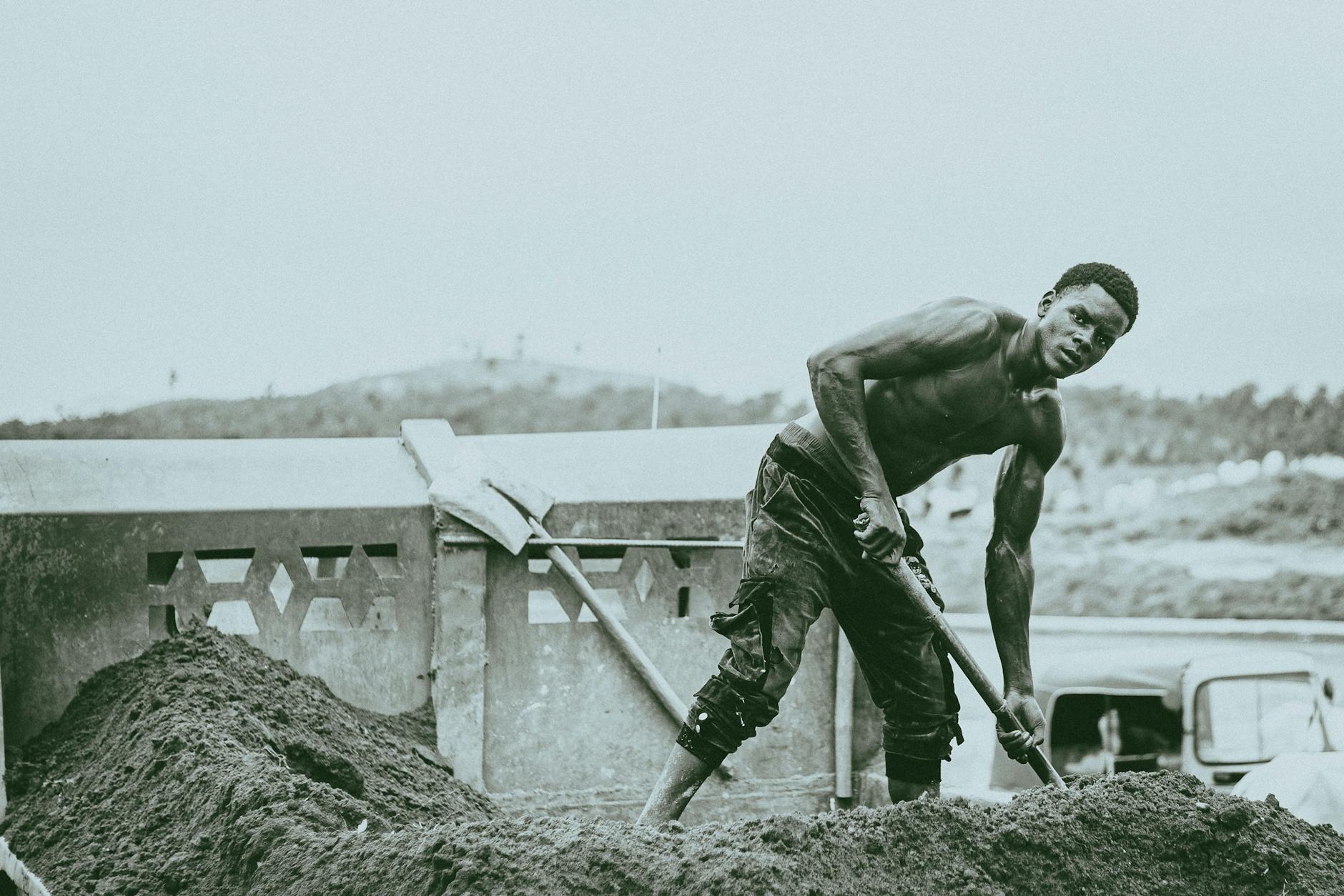
How millions of Koreans were mobilized
Beginning in 1939 and during World War II, Japan mobilized around 5.4 million Koreans to support its war effort. In simple terms, “mobilized” means people were compelled or pressured into serving the needs of the state during wartime. That could mean factory work, mining, construction, military-related labor, or direct service in the armed forces.
As labor shortages worsened during the war, Japan expanded the reach of the National Mobilization Law. This law allowed authorities to bring more people under state control for wartime production. In Korea, that meant Korean workers could be conscripted for factories and mines in Korea and Manchukuo, and also relocated involuntarily to Japan itself.
Manchukuo was the Japanese-sponsored state in Manchuria, a large region in northeast Asia. For many Koreans, being sent there or to mainland Japan meant removal from home, family, and familiar surroundings, with little or no choice in the matter.
The article describes how many Koreans were moved forcefully from their homes and made to work in generally extremely poor conditions. The scale alone is staggering, but the numbers become even more chilling when broken down.
The deadly reality of forced labor
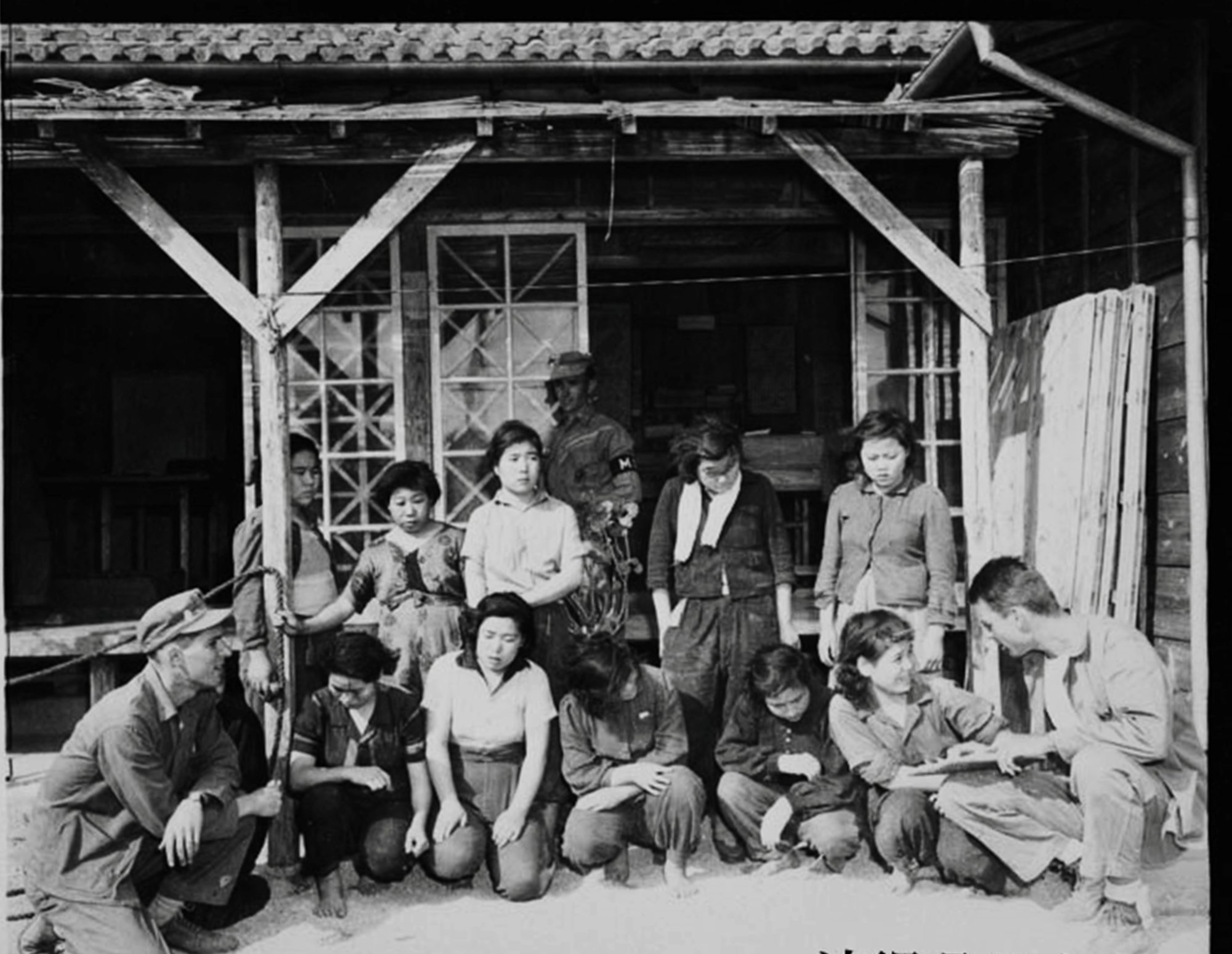
Of the 5.4 million Koreans conscripted, about 670,000 were taken to mainland Japan for civilian labor. These workers were sent into places such as factories and mines, where conditions were often appalling and dangerous.
Around 60,000 of those 670,000 mobilized laborers died in Japan. In Korea and Manchuria, estimates of deaths range from 270,000 to 810,000. Even the low end of that range reveals an immense catastrophe.
Forced labor did not only mean long hours. It often meant hunger, unsafe workplaces, physical exhaustion, and near-total powerlessness. In the broader colonial period, Koreans also suffered under heavy taxation and discriminatory pay, and many workers in infrastructure and industry were subjected to extremely poor working circumstances. Wartime labor intensified these patterns.
Korean laborers were sent far beyond the peninsula. Some were found as far away as Tarawa Atoll, where only 129 of 1,200 laborers survived the Battle of Tarawa. Others worked on the Mili Atoll. Testimony in Japanese records said laborers there were given what they were told was whale meat, which was actually human flesh from dead Koreans. After they learned the truth and rebelled, many were killed.
On Jeju, Korean laborers expanded airfields and built facilities at Altteureu Airfield in the later stages of the Pacific War. In 1945, laborers on Songaksan were ordered to smooth down slopes to prevent American tanks from advancing easily. These examples show how Korean forced labor was tied directly to Japan’s wartime military needs.
Koreans in Japan during the war
By the end of World War II, the combination of immigrants and forced laborers brought the total Korean population in Japan to over 2 million, according to estimates cited by the Supreme Commander for the Allied Powers.
This huge movement of people was not a normal migration story. Many Koreans had been sent into labor through state systems shaped by coercion. Even after the war, that displacement had lasting consequences. One legacy of this period was the formation of Korean diaspora communities, including Zainichi Koreans, who descend in part from the population of around 600,000 Koreans who remained in Japan, often not by choice.
The war also left many Koreans stranded elsewhere. In Sakhalin, most of the 43,000 ethnic Koreans there were refused permission to repatriate after the territory shifted from Japan to the Soviet Union. Many remained stateless.
Korean military service under Japan
Labor was not the only form of wartime mobilization. Japan also brought Koreans into military service.
Until 1944, enlistment of ethnic Koreans in the Imperial Japanese Army was formally voluntary, though the article notes that recent scholarly research found substantial coercive and administrative pressure in recruitment during the late colonial era. Authorities used enlistment orders and regulatory power to secure compliance.
Starting in 1944, Japan began conscripting Koreans into the armed forces. All Korean men were drafted either to join the Imperial Japanese Army or to work in the military industrial sector. Before that point, thousands had already entered military structures, whether through “voluntary” enlistment under pressure, military academies, or service in forces such as the Gando Special Force.
From 1944, about 200,000 Korean men were inducted into the army. Korean soldiers and laborers appeared in Japanese ranks in major wartime battles. American troops encountered them, for example, in the Battle of Tarawa.
The wartime record also left a grim legal legacy. After the war, 148 Koreans were convicted of Class B and C Japanese war crimes, including 23 sentenced to death. Some had served as prison guards and were noted for brutality. A later South Korean investigation acknowledged that many had served as guards reluctantly to avoid the draft, while also recognizing their responsibility for mistreatment of prisoners.
The “comfort women” system
Among the most painful chapters of this era was the system of sexual slavery imposed on women and girls, euphemistically called “comfort women.” A euphemism is a softer or misleading term used to hide something harsh. In this case, the phrase concealed coercion, abuse, and trauma.
During World War II, many ethnic Korean girls and women, mostly aged 12 to 17, were forced by the Japanese military to become sex slaves. Some were deceived with promises of work as seamstresses, factory workers, nurses, or restaurant workers. Others were taken through direct coercion or pressure through agencies or even families acting against their wishes.
The system was organized through so-called comfort stations, where women were confined and forced to provide sexual services to Japanese soldiers. A 1996 United Nations report described prolonged prostitution under conditions that were often indescribably traumatic. Surviving wartime documents show direct responsibility by Japanese forces for these stations.
The scale remains debated, but the figures discussed range from tens of thousands to hundreds of thousands of women recruited from occupied territories, including many from Korea. Testimonies describe abduction, deception, imprisonment, and repeated abuse. Former Korean comfort women began protesting publicly from the early 1990s onward, calling for acknowledgment and compensation.
Colonial rule, war crimes, and mass suffering
Forced labor and sexual slavery were part of a much wider pattern of wartime and colonial violence. The colonial period saw Koreans subjected to mass killings, including the Gando Massacre, Kantō Massacre, Jeamni massacre, and Shinano River incident. The article also states that millions of Koreans fell victim to Japanese war crimes throughout the colonial period, including forced labor, human experimentation, and systemic starvation.
Human experimentation is another term that deserves explanation. It refers to medical or scientific experiments performed on people without ethical consent. Koreans, along with many other Asians, were among those experimented on in Unit 731, a secret military medical experimentation unit during World War II.
The war also touched Koreans in Hiroshima and Nagasaki. Many had been drafted to work at military industrial factories there, and many became atomic bomb victims. According to one cited figure, there were a total of 70,000 Korean victims in both cities.
Liberation in 1945 — and immediate division
Japan surrendered to the Allied forces on 15 August 1945, ending 35 years of Japanese colonial rule over Korea. Liberation was real, but it did not bring a unified independent state.
Instead, Korea was immediately divided into occupation zones. Soviet forces and Korean Communists were in the northern part of the peninsula, while American forces arrived in the south on 8 September 1945. A proposal to divide Korea at the 38th parallel was accepted in an emergency meeting over postwar spheres of influence.
That is why the end of colonial rule came with a bitter contradiction: freedom without unity. Korea was liberated from Japan, but almost instantly split between two occupying powers.
This division shaped everything that followed. The colonial period ended, but its consequences did not. Families were separated, political systems diverged, and the scars of forced labor, sexual slavery, cultural erasure, and wartime death remained deeply embedded in Korean history.
Why this history still matters
The legacy of Japanese colonization remains intensely controversial and emotionally charged. Historical disputes still affect relations between South Korea and Japan. Within South Korea, the role of collaborators continues to be debated. The treatment of forced laborers and comfort women remains especially sensitive.
What makes this history so enduring is not only the scale of suffering, but the way it reached into every part of life: work, language, identity, family, and the body itself. Koreans were mobilized for war, forced into labor systems, drawn into military structures, stripped of autonomy, and in many cases denied the chance to return home.
The war ended in 1945. For millions, the damage did not.