When people imagine war, they usually picture the battlefield: charges, gunfire, explosions, and direct combat. But for much of history, the deadliest threat to soldiers was often not the enemy in front of them. It was disease.
From 1500 to 1914, more military personnel were killed by typhus than by military action. That fact completely changes how we think about war. It shows that armies were not only fighting each other. They were also fighting infection, overcrowding, exhaustion, and the harsh conditions of military life.
The hidden killer in wartime
Typhus was one of the great killers of soldiers. It is a serious infectious disease, and in wartime it spread especially easily in dirty, crowded conditions. Armies on the move often lived in exactly those conditions: large numbers of exhausted people packed together, with poor hygiene, weak nutrition, and little effective medical care.
This helps explain why disease could cut through armies so efficiently. Long before modern medicine, even a powerful military force could be devastated by infection. In practical terms, this meant that a campaign could collapse not only because of enemy tactics, but because soldiers became sick faster than armies could replace or treat them.
War has always been characterized by widespread violence, destruction, and mortality, but mortality in war has never come only from weapons. Disease and infection were central parts of that story.
Napoleon's retreat from Moscow: a brutal example
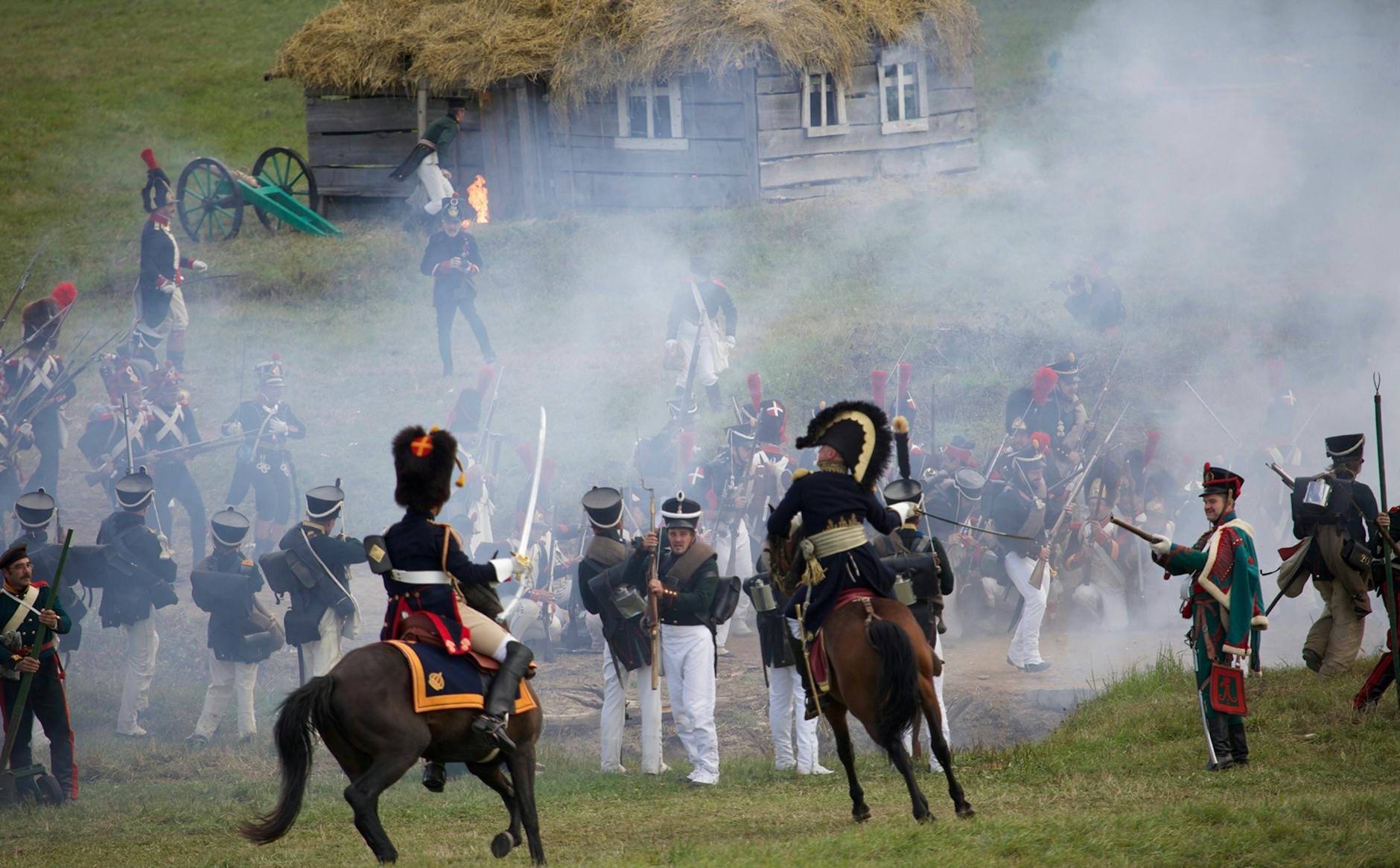
One of the clearest examples comes from Napoleon's retreat from Moscow. More French military personnel died of typhus than were killed by the Russians.
The scale of the disaster was staggering. Of the 450,000 soldiers who crossed the Neman on 25 June 1812, less than 40,000 returned. That collapse is often remembered as one of history's great military catastrophes, and disease was a major reason why.
This is a powerful reminder that army size alone did not guarantee survival. A huge force could still be shattered by sickness. In many campaigns, disease acted like an invisible enemy, steadily reducing manpower, morale, and the ability to keep fighting.
Why disease spread so easily in armies
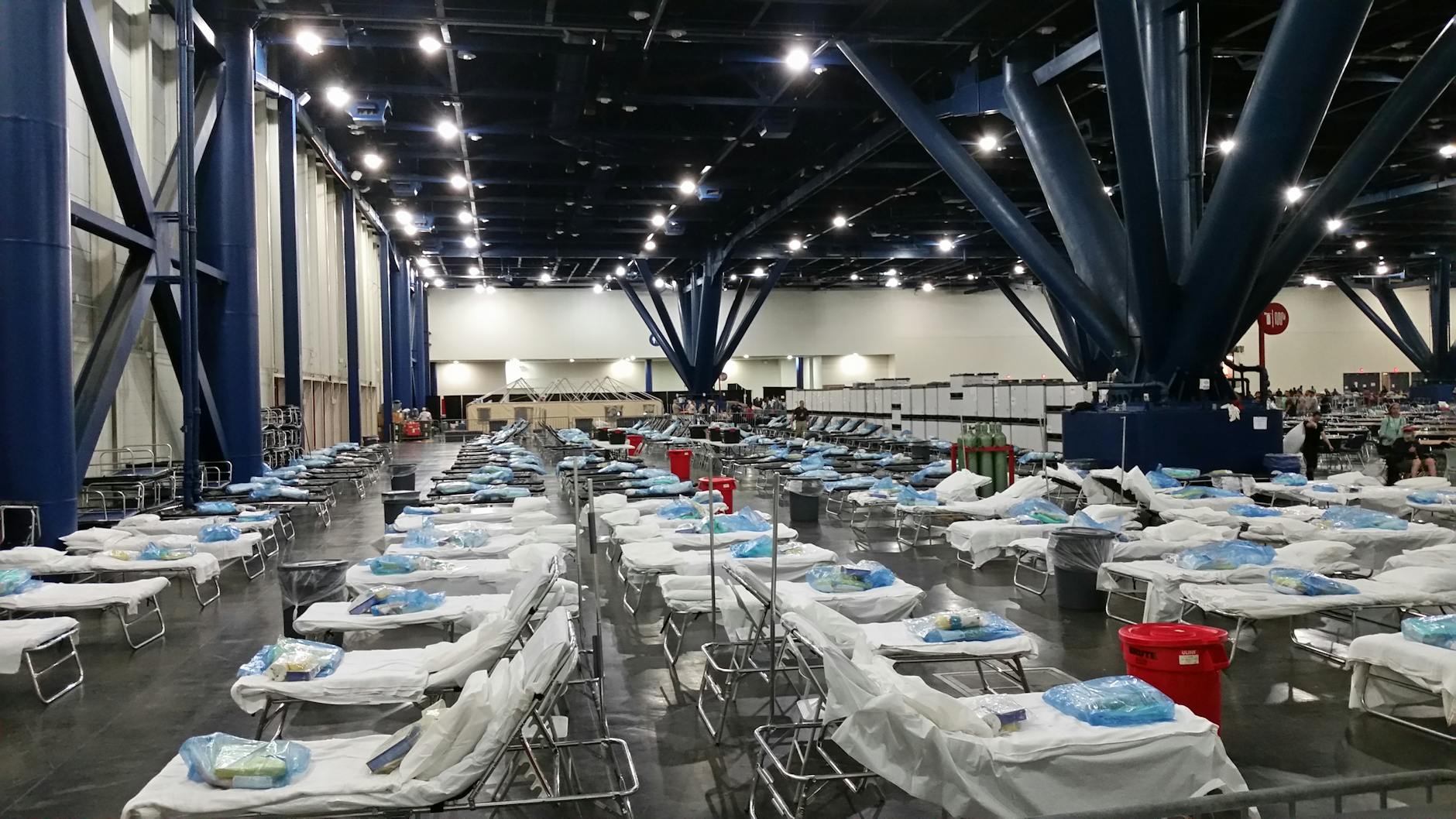
Military life created ideal conditions for illness to spread. Soldiers were concentrated in large groups for long periods, often under intense stress. They marched, camped, fought, and retreated in disrupted environments where ordinary sanitation could break down.
The article’s broader statistics show just how serious non-combat causes of death were in military history. During the Seven Years' War, the Royal Navy reported that it conscripted 184,899 sailors, of whom 133,708 died of disease or were listed as missing. That is an extraordinary number, and it highlights a world in which disease could destroy military strength on a massive scale.
In earlier periods especially, military organizations had very limited ability to prevent infection once it began spreading. This made war not only a contest of weapons and strategy, but also a contest against physical breakdown.
Battle was deadly, but illness was often deadlier
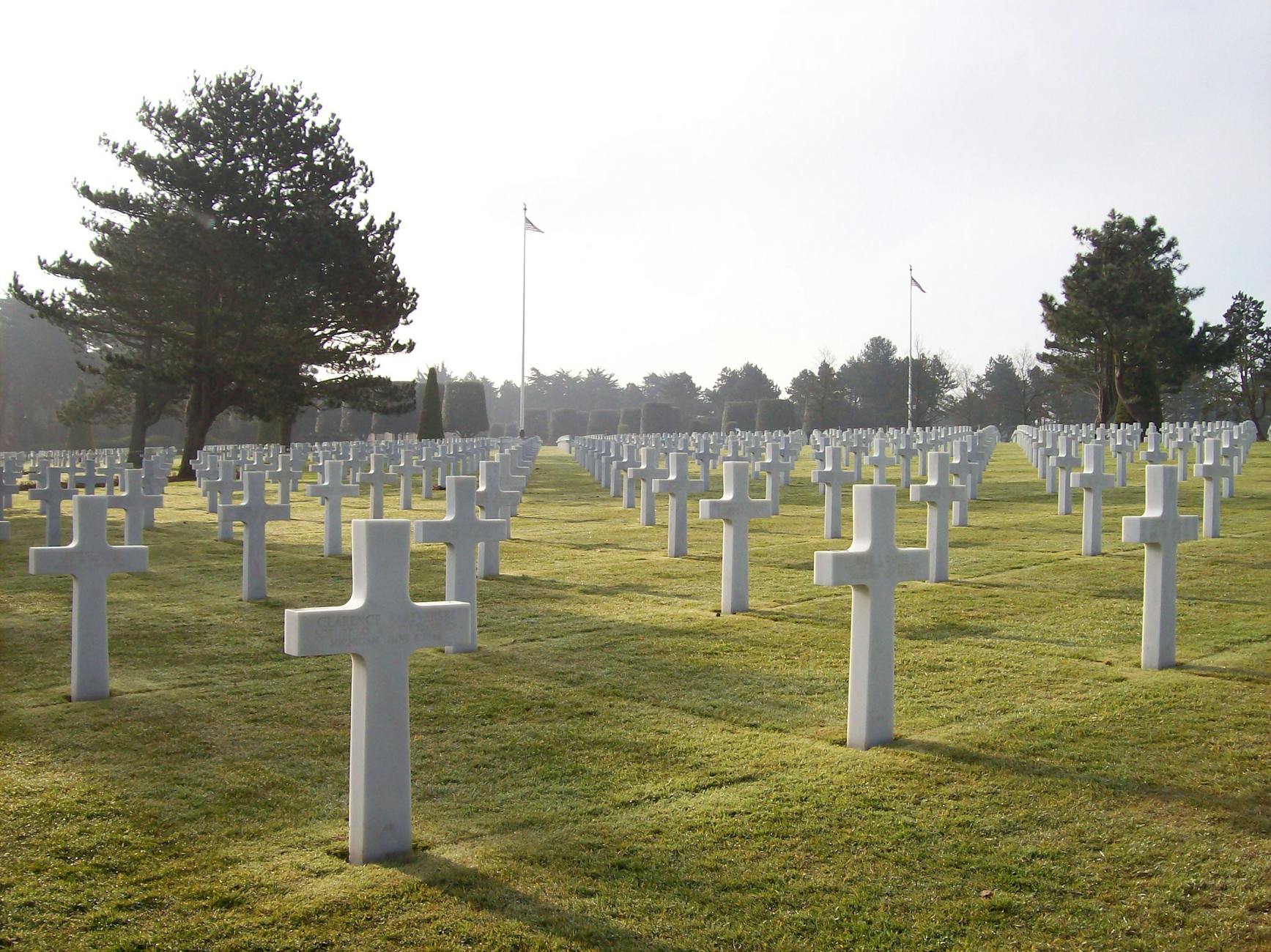
This pattern can feel surprising because battle deaths are more visible and easier to imagine. A clash between armies is dramatic and memorable. Disease works differently. It kills in waves, in camps, on marches, in hospitals, and in the aftermath of battles.
That matters because when we measure the human cost of war, battlefield losses are only part of the picture. Military personnel subject to combat in war often suffer disease, injury, mental harm, and death. For long stretches of history, illness was one of the main reasons armies failed.
Even in later eras, the burden on soldiers remained extreme. Of the 60 million European military personnel mobilized in World War I, 8 million were killed, 7 million were permanently disabled, and 15 million were seriously injured. While that war is strongly associated with industrial combat, the broader lesson remains: the suffering of war extends beyond enemy fire.
How modern military medicine changed the picture
One reason battle deaths and casualties have declined is advances in military medicine. This does not mean war became safe. It means that improvements in treatment and care reduced the number of people who would otherwise have died from wounds, disease, and infection.
Military medicine includes the systems and practices used to prevent illness, treat injuries, and keep armed forces alive and functioning. In simple terms, it covers the medical side of war: caring for the wounded, dealing with infection, and improving survival.
The article notes that battle deaths and casualties have declined in part because of advances in military medicine, despite advances in weapons. That is an important contrast. Weapons became more powerful, but medicine also became better at saving lives.
Without modern medical advances, there would be thousands more dead from disease and infection. This is one of the major but often overlooked transformations in the history of war.
Medicine did not just treat wounds
When people hear “military medicine,” they may think only of battlefield surgery or emergency treatment. But the larger importance is that better medicine helps reduce deaths that come after the fighting as well.
In earlier wars, a soldier might survive combat only to die from infection or disease soon after. Improved medical practices changed those odds. Better treatment meant that surviving the initial injury or surviving exposure to disease no longer depended entirely on luck.
This also helps explain why the history of war cannot be understood just by comparing weapons. The deadliness of war depends not only on how effectively armies can kill, but also on how effectively they can keep their own people alive.
The broader human toll of war
The story of disease in armies is part of a larger truth: war causes suffering far beyond the battlefield. War often leads to deterioration of infrastructure, famine, large-scale emigration, and the mistreatment of prisoners of war or civilians. It also interrupts daily life across entire conflict zones.
For civilians, the effects can be devastating. Most wars have resulted in significant loss of life, destruction of resources, worse health outcomes, and reduced access to essentials such as drinking water. A medium-sized conflict with about 2,500 battle deaths reduces civilian life expectancy by one year, increases infant mortality by 10%, and raises malnutrition by 3.3%. Around 1.8% of the population also loses access to drinking water.
This wider context matters because the same breakdowns that hurt soldiers also hurt societies. Disease in war is rarely confined neatly to one camp or one front. It reflects how war damages the basic conditions needed for human survival.
A different way to understand military history
Looking at disease forces us to rethink what military strength really means. It is not only about troop numbers, weapons, or battlefield victories. It is also about whether an army can endure the environmental and medical pressures of war.
Napoleon’s retreat from Moscow is remembered for military collapse, but it also reveals a deeper historical pattern. Armies that could not control disease could lose catastrophically, even before enemy action finished the job.
That is why the old image of war as pure combat is incomplete. For centuries, one of the most dangerous enemies wore no uniform at all.
The lesson that still matters
The history of warfare shows enormous change over time. Since 1945, battle deaths and casualties have declined in part because of advances in military medicine. That progress matters profoundly. It means fewer soldiers die from the infections and diseases that once tore through armies.
But the historical record remains stark. From 1500 to 1914, typhus killed more military personnel than combat. During Napoleon’s retreat from Moscow, more French soldiers died of typhus than from Russian attacks, and of the 450,000 who crossed the Neman, fewer than 40,000 returned.
The lesson is unforgettable: in war, survival has often depended as much on medicine and sanitation as on tactics and firepower.