Ancient Nubia rarely gets the spotlight it deserves, yet its achievements reveal a strikingly sophisticated scientific culture. Among the most fascinating examples are two advances highlighted by historians of early science: Nubians pioneered early antibiotics, and they established a system of geometrics that served as the basis for initial sunclocks. They also used a trigonometric methodology comparable to that of their Egyptian counterparts.
These details matter because they show that scientific thinking in the ancient world was not confined to one civilization or one famous intellectual center. Along the Nile, practical knowledge developed in multiple societies, with Nubia contributing ideas and techniques that fit into the long story of mathematics, medicine, and astronomy.
Watch the story on DeepSwipe
Nubia and the early history of science
Science did not appear all at once in a single place. It emerged gradually over very long stretches of time and took different forms in different regions. In the Bronze Age, written evidence becomes clearer in places such as Egypt and Mesopotamia, where people made important contributions to mathematics, astronomy, and medicine. Within this broader ancient landscape, Nubia stands out for accomplishments in healing and measurement.
When discussing ancient scientific achievement, it helps to remember that early inquiry was often closely tied to daily needs. People studied numbers to measure land and build structures, watched the sky to track time, and developed medical practices to treat illness. In that context, Nubia’s advances in antibiotics and sun-related timekeeping were not isolated curiosities. They were part of a wider pattern in which observation and practical problem-solving drove discovery.
Early antibiotics in ancient Nubia

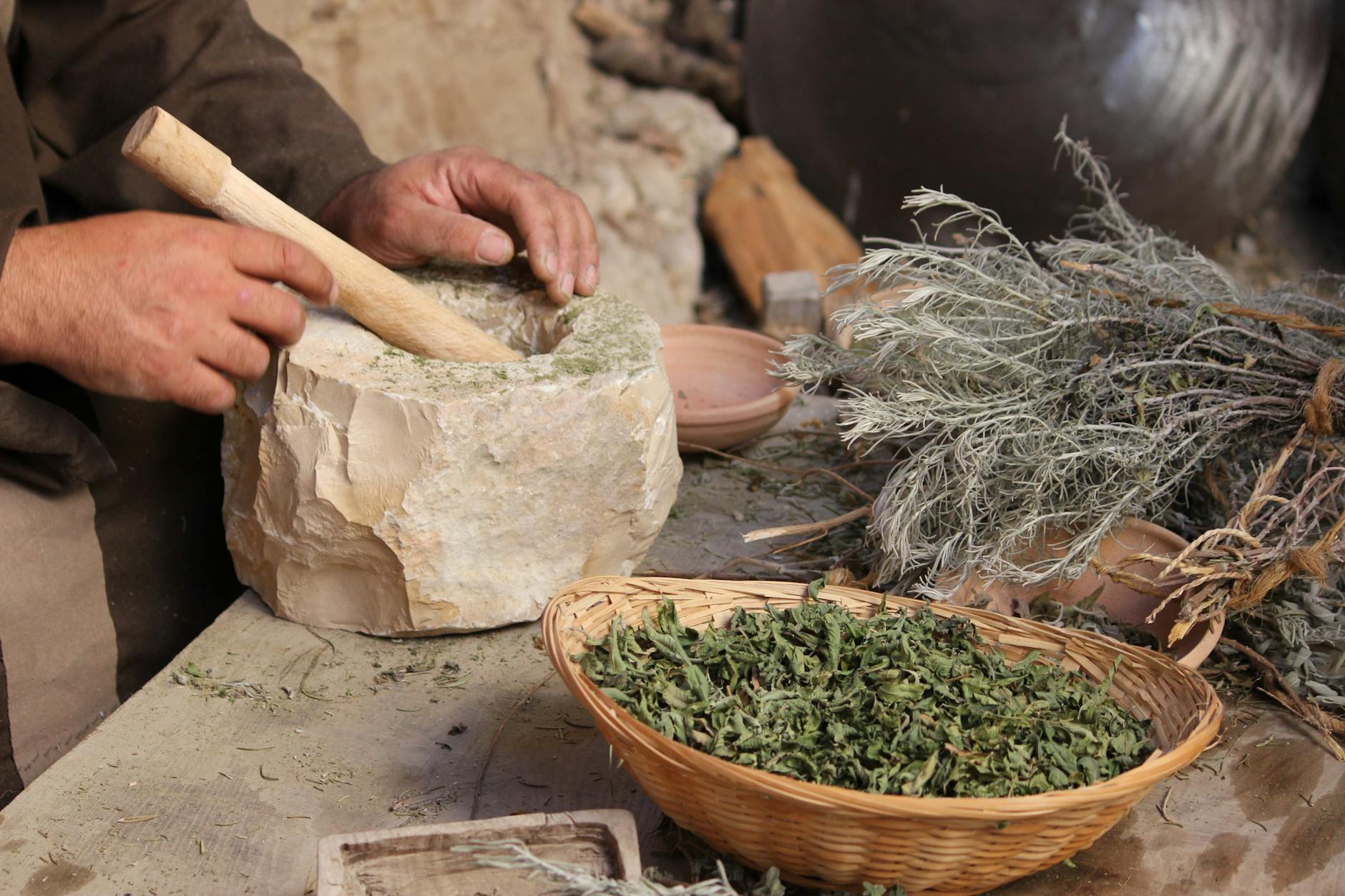
One of the most surprising facts about Nubia is that its people pioneered early antibiotics. An antibiotic is a substance used to fight infections caused by microorganisms, especially bacteria. In modern life, antibiotics are associated with laboratories, prescriptions, and hospitals, so the idea that an ancient society had an early form of them can feel almost unbelievable.
Yet this achievement fits a larger pattern seen across the ancient world: medicine was one of the earliest areas in which people gathered and applied systematic knowledge. Ancient Egyptians, for example, developed healing therapies that included drug treatments as well as prayers, incantations, and rituals. Mesopotamians also showed intense interest in medicine, and some of the earliest medical prescriptions appeared in Sumerian.
Nubia’s place in this story is especially compelling because it points to experimentation and practical healing knowledge in the Nile Valley beyond Egypt alone. Even if ancient medicine did not look like modern biomedical science, it still involved attempts to identify useful treatments and preserve health. The fact that Nubians pioneered early antibiotics suggests a level of empirical skill: noticing what worked, using it, and building healing practices around that knowledge.
The geometry behind early sunclocks
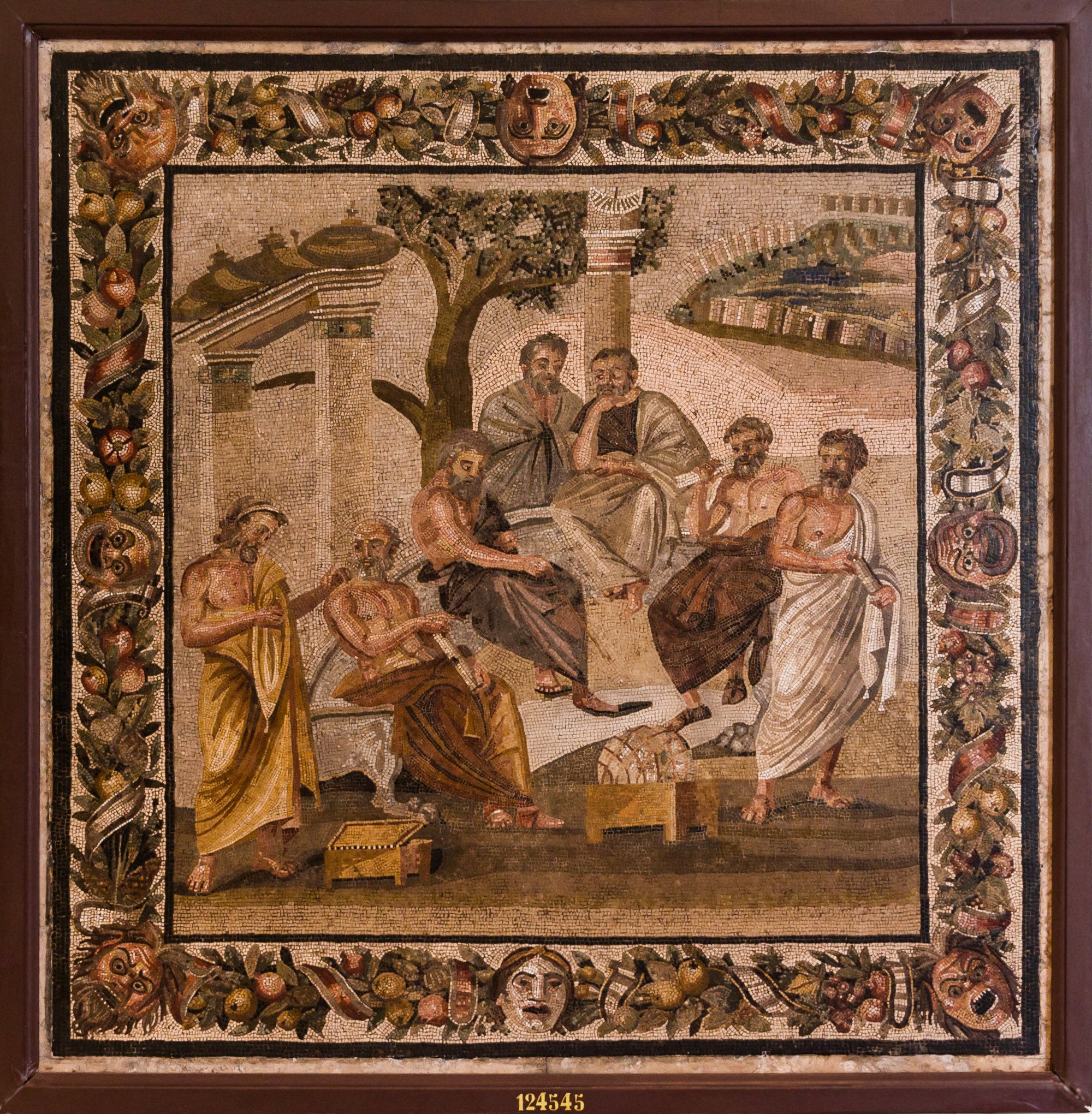
Nubians also established a system of geometrics that served as the basis for initial sunclocks. Geometry is the branch of mathematics concerned with shapes, sizes, distances, and spatial relationships. In the ancient world, geometry was deeply practical. It could be used for construction, land measurement, and the tracking of celestial patterns.
A sunclock, or sundial, tells time by using the Sun’s shadow. As the Sun appears to move across the sky, the position of a shadow changes. By designing a device with the right proportions and markings, people can use that shifting shadow to indicate the time of day.
Creating such a system is not as simple as placing a stick in the ground. It requires careful attention to angles, proportions, and the regular movement of sunlight and shadow. That is why Nubia’s geometric system is so noteworthy. It shows that mathematical thinking was being applied to astronomy-related observation and to the practical organization of time.
This connects Nubia to one of the oldest scientific habits: looking for patterns in nature and turning those patterns into useful tools. Timekeeping by the Sun is an excellent example of this. It combines observation of the natural world with mathematical reasoning, a hallmark of early scientific development.
Trigonometry along the Nile
The article also notes that Nubians exercised a trigonometric methodology comparable to their Egyptian counterparts. Trigonometry is the mathematics of triangles, especially the relationships between sides and angles. While the modern word may sound advanced, the underlying idea is straightforward: if you understand triangles, you can calculate distances, heights, and alignments.
This kind of knowledge would have been valuable in many settings. Triangle-based methods can help with measurement, construction, and the design of devices tied to celestial observation. In the case of sunclocks, trigonometric reasoning would naturally support the effort to track how shadows fall and shift.
The comparison with Egypt is important. Ancient Egypt is widely recognized for contributions to mathematics, including solving practical problems using geometry and developing a non-positional decimal numbering system. Saying that Nubian methods were comparable to Egyptian ones places Nubia within the same high-level tradition of Nile Valley problem-solving.
Rather than imagining one civilization as advanced and the other as peripheral, it is more accurate to see parallel intellectual traditions thriving in neighboring societies. Along the Nile, sophisticated mathematical techniques were not isolated accidents. They were part of a broader environment in which practical calculation and observation were highly valued.
More than “primitive” knowledge
Ancient achievements are sometimes underestimated because they do not resemble modern laboratories or formal scientific institutions. But science, in its broadest sense, is about building organized knowledge and testing ideas against reality. Early societies often did this in ways closely tied to agriculture, medicine, architecture, and the calendar.
Nubia’s use of early antibiotics and mathematically grounded sunclocks illustrates exactly that kind of practical intelligence. These were not abstract ideas for their own sake. They were useful, repeatable ways of engaging with the world: healing bodies, measuring time, and applying numerical insight to everyday and ceremonial needs.
This also helps explain why the early history of science is so diverse. The ancient Egyptians contributed mathematics, astronomy, and medicine. Mesopotamians worked with natural chemicals for materials such as pottery, glass, soap, and waterproofing, and they also studied medicine and astronomy-related practices. Nubians added their own breakthroughs, especially in early antibiotics and geometry-based timekeeping.
Together, these examples show that scientific development in antiquity was distributed across cultures, with each contributing pieces to a larger human story.
How these ideas fed later traditions
The significance of Nubian and Egyptian achievements becomes even clearer when viewed over the long arc of history. Contributions from ancient Egypt and Mesopotamia later entered and shaped Greek natural philosophy and medieval scholarship. That means early advances in mathematics, astronomy, and medicine did not vanish; they became part of later intellectual traditions.
This is one reason Nubia’s accomplishments matter. They belong to the same regional world that helped lay groundwork for future science. Greek thinkers would later attempt to explain natural phenomena without relying on the supernatural, and medieval scholars would preserve, translate, and build upon earlier knowledge. Long before that, Nile Valley societies had already developed practical systems for healing, measuring, and observing.
In that sense, Nubia is part of the deep background of science itself. Its achievements remind us that the foundations of later learning were built from many local traditions, many of them rooted in practical needs and careful observation.
Why Ancient Nubia deserves more attention
Ancient Nubia’s legacy is powerful precisely because it challenges narrow versions of scientific history. The idea that Nubians pioneered early antibiotics immediately expands the story of medicine. The fact that they built geometric foundations for initial sunclocks expands the story of mathematics and astronomy. And their trigonometric methods show a sophisticated command of quantitative reasoning.
These are not small footnotes. They are evidence that serious scientific thought was flourishing in the ancient Nile world in more than one society. Nubia was not simply adjacent to scientific development. It was part of it.
For anyone interested in the origins of science, Ancient Nubia offers an unforgettable lesson: some of humanity’s earliest breakthroughs in healing and mathematical timekeeping came from a civilization that still deserves far more recognition than it usually gets.