Religion has influenced literature in ways that reach far beyond belief alone. Some of the most important literary works in history are also sacred texts, and their effect on language, style, education, and interpretation has been enormous. When people talk about literature as a way of preserving knowledge, transmitting ideas, and shaping culture, religious writing stands near the center of that story.
From the Vedas to the Torah, the Bible, and the Quran, sacred texts have helped define not only what people read, but how they read. They have shaped languages, inspired literary traditions, and encouraged habits of close interpretation that still affect literary study today.
Sacred texts as literary forces
Literature can include many kinds of writing, from poetry and prose to history, philosophy, and non-fiction. Within that broad world, religious texts hold a special place because they have often been preserved, studied, recited, copied, and circulated with exceptional care.
The Vedas, the Torah, the Bible, and the Quran are named among the works that have had a major influence on literature. That influence is not limited to religion in a narrow sense. These texts have affected literary style, cultural memory, and the very idea of what a foundational text can be.
In many societies, religion was closely tied to reading and writing. Where preaching was important, or where religious authorities had strong control over literacy or censorship, a religious gloss could shape much of the literature that society produced or preserved. In simple terms, a “religious gloss” means that even works not strictly sacred could reflect religious values, language, and ways of thinking.
This helps explain why religion and literature have been so intertwined across history. Religious texts were not just read privately. They were often recited aloud, taught publicly, and treated as central sources of wisdom, law, identity, and culture.
The Quran and the shaping of Arabic
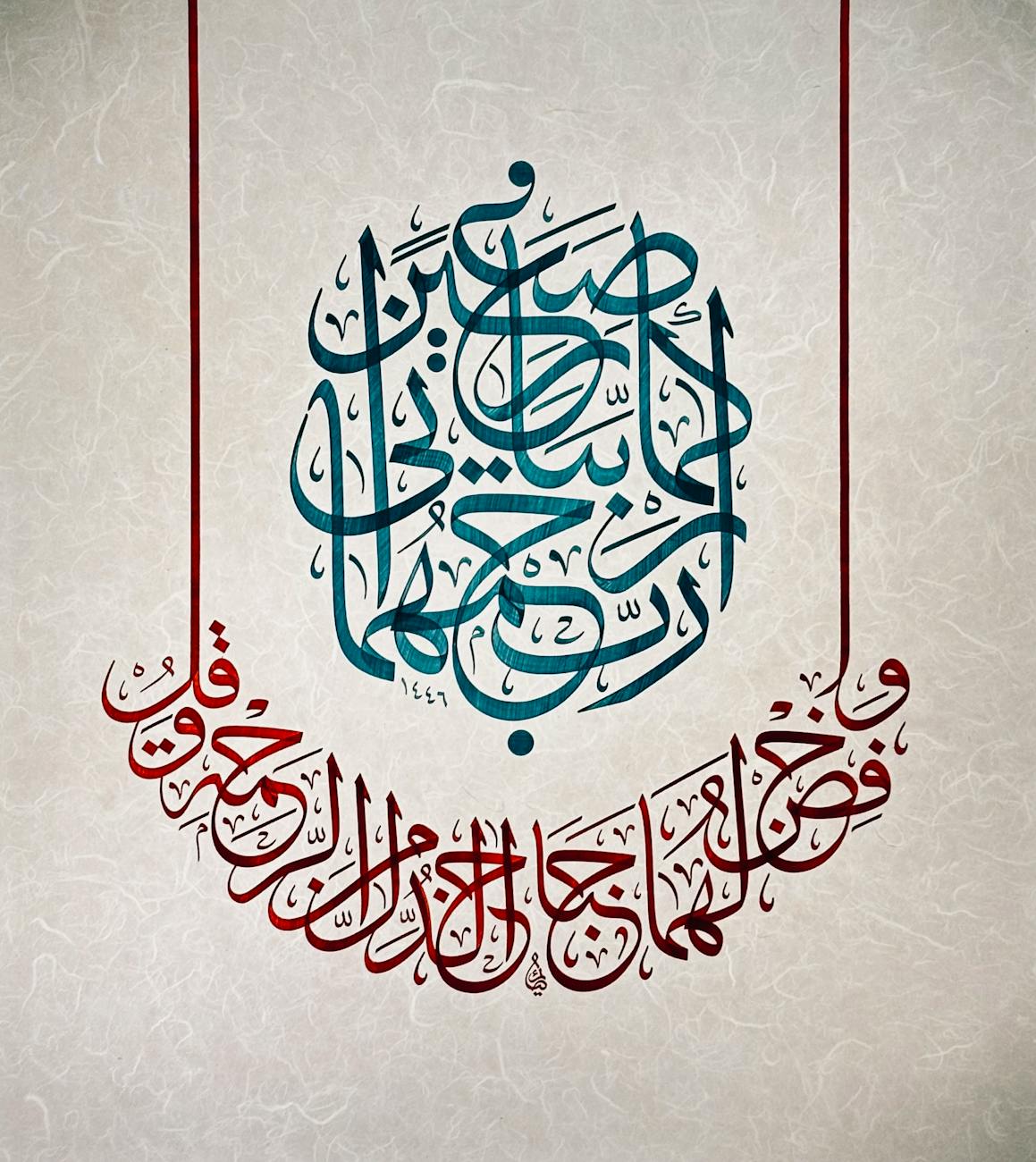
One of the clearest examples of a sacred text influencing literary culture is the Quran. Dated in this context to 610 AD to 632 AD, it is described as the main holy book of Islam and as a work with a significant influence on the Arab language.
As Islam spread, the Quran had the effect of unifying and standardizing Arabic. That is a major literary development. To unify a language means helping speakers across different places share a common written and cultural form. To standardize it means making its usage more regular and consistent, especially in writing.
Muslims believe the Quran was transcribed in the Arabic dialect of the Quraysh, the tribe of Muhammad. A dialect is simply a regional or group-specific form of a language. When a sacred text gains widespread authority, the form of language used in it can become especially prestigious and influential. In this case, the Quran did not just carry religious meaning; it also helped shape the development of Arabic as a literary language.
That makes the Quran important not only in religious history, but in literary history as well. A text that helps unify a language also affects poetry, prose, education, and the transmission of ideas for generations.
The King James Bible and English literary style
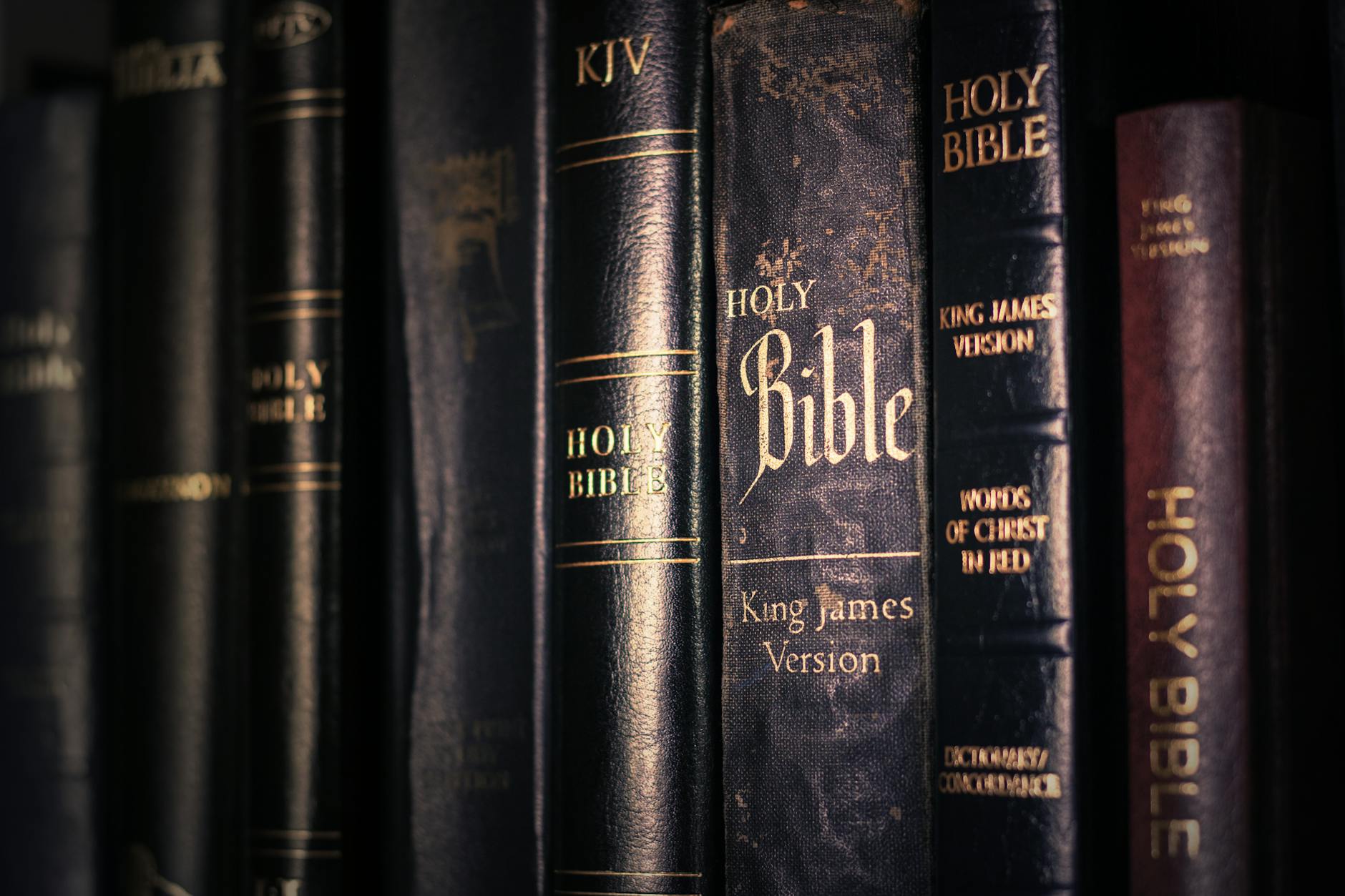
In English-language literary culture, the King James Version of the Bible holds an especially famous place. It has been called “the most influential version of the most influential book in the world, in what is now its most influential language.” It has also been described as “the most important book in English religion and culture” and “arguably the most celebrated book in the English-speaking world.”
Those are extraordinary claims, but they point to something larger than religion alone. The King James Bible is praised for its literary style and its widespread distribution. Style refers to the distinctive way language is used: its rhythm, phrasing, tone, and memorable turns of expression. Distribution matters too. A book can only influence a culture deeply if it is widely read, heard, and shared.
Its impact was so broad that even prominent atheist writers praised it as a work of literature. Christopher Hitchens called it “a giant step in the maturing of English literature,” while Richard Dawkins called it “a great work of literature.” That kind of praise shows how literary influence can be recognized even outside religious commitment.
The King James Bible matters, then, not just as scripture, but as a force in the history of English prose. It helped shape the sound and prestige of written English and became part of the literary background of the English-speaking world.
How religious study shaped literary criticism

Religion did not only produce influential texts. It also encouraged influential ways of reading.
Traditions of close study of religious texts helped further the development of techniques and theories in literary studies. Close study means careful, detailed attention to wording, structure, meaning, and interpretation. Readers do not simply ask what a passage says on the surface. They ask why it is phrased that way, how its parts fit together, and what deeper meanings might be present.
That approach is central to literary criticism, one of the oldest academic disciplines. Literary criticism is concerned with the literary merit or intellectual significance of specific texts. In practice, this often means analyzing language, themes, imagery, structure, and cultural importance.
Religious scholarship helped build habits that literary scholars still use: careful comparison, interpretation of difficult passages, attention to wording, and sustained reflection on meaning. A tradition of reading sacred texts with seriousness and precision naturally contributed to broader methods of textual analysis.
So when students today closely read a poem, novel, or play, they are participating in a culture of interpretation that religious reading helped strengthen.
Religion, preservation, and literary survival
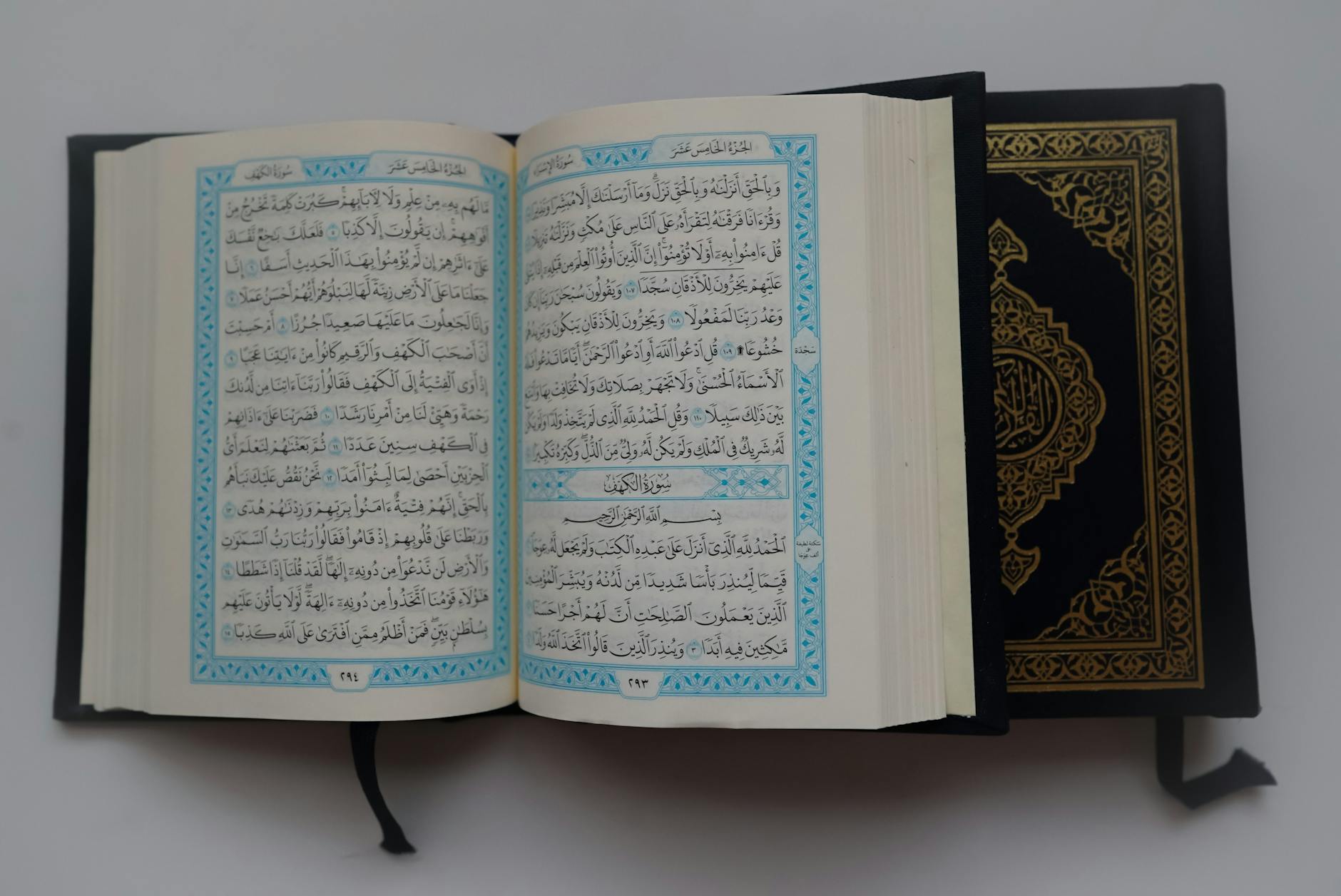
Literature is a method of recording, preserving, and transmitting knowledge and entertainment. Religious texts have often been especially powerful in this role because communities considered them important enough to memorize, copy, teach, and protect.
This matters historically. In periods when reading and writing were limited, the institutions most committed to preserving texts could have enormous influence over what survived. Theological works in Latin, for example, were the dominant form of literature typically found in libraries during the Middle Ages.
That does not mean all medieval literature was religious, but it does show how strongly religion shaped the literary landscape of Europe. What was copied, stored, and studied in libraries often reflected religious priorities.
The effect of this preservation is lasting. Literature is not just created; it is also selected by history. Sacred and theological works often endured because religious communities invested in keeping them alive.
Religion and the wider history of literature
The literary importance of religion becomes even clearer when viewed alongside the broader history of literature. Early literature across cultures was often tied to oral tradition, sacred practice, or moral instruction. Some of the world’s oldest texts are sacred. The Vedas, for instance, are among the oldest sacred texts, and early Indian literature grew from stories originally transmitted orally.
The Torah is widely seen as a product of the Persian period, probably 450–350 BC, and it became a major source of Christianity’s Bible, which in turn had a major influence on Western literature. This shows how one religious tradition can feed into another literary and cultural inheritance.
The connection between religion and literature also helps explain why literary forms often carry more than entertainment. Literature can have social, psychological, spiritual, and political roles. Religious texts demonstrate all of these at once: they teach, inspire, regulate, preserve, and unify.
Why this still matters
Modern definitions of literature may include novels, essays, biographies, journalism, electronic literature, and more. But sacred texts remain crucial to understanding how literature became what it is.
They helped shape major languages. They influenced literary style. They guided what societies chose to preserve. And they trained readers to examine words with intense care.
In that sense, religion shaped the page in at least two ways. First, it gave the world texts of immense cultural and literary power. Second, it taught generations of readers how to approach writing as something worthy of deep attention.
That legacy is still with us every time a text is read closely, every time language is treasured for its style, and every time literature is treated as something capable of carrying a civilization’s memory.