Literary history is full of tension between control and creativity. Few examples capture that better than James Joyce’s Ulysses, a novel that was banned in the United States for 12 years on grounds of obscenity and later became a central text in English literature courses around the world. That journey—from prohibited book to classroom staple—shows how ideas about literature, morality, and artistic value can change dramatically over time.
Watch the story on DeepSwipe
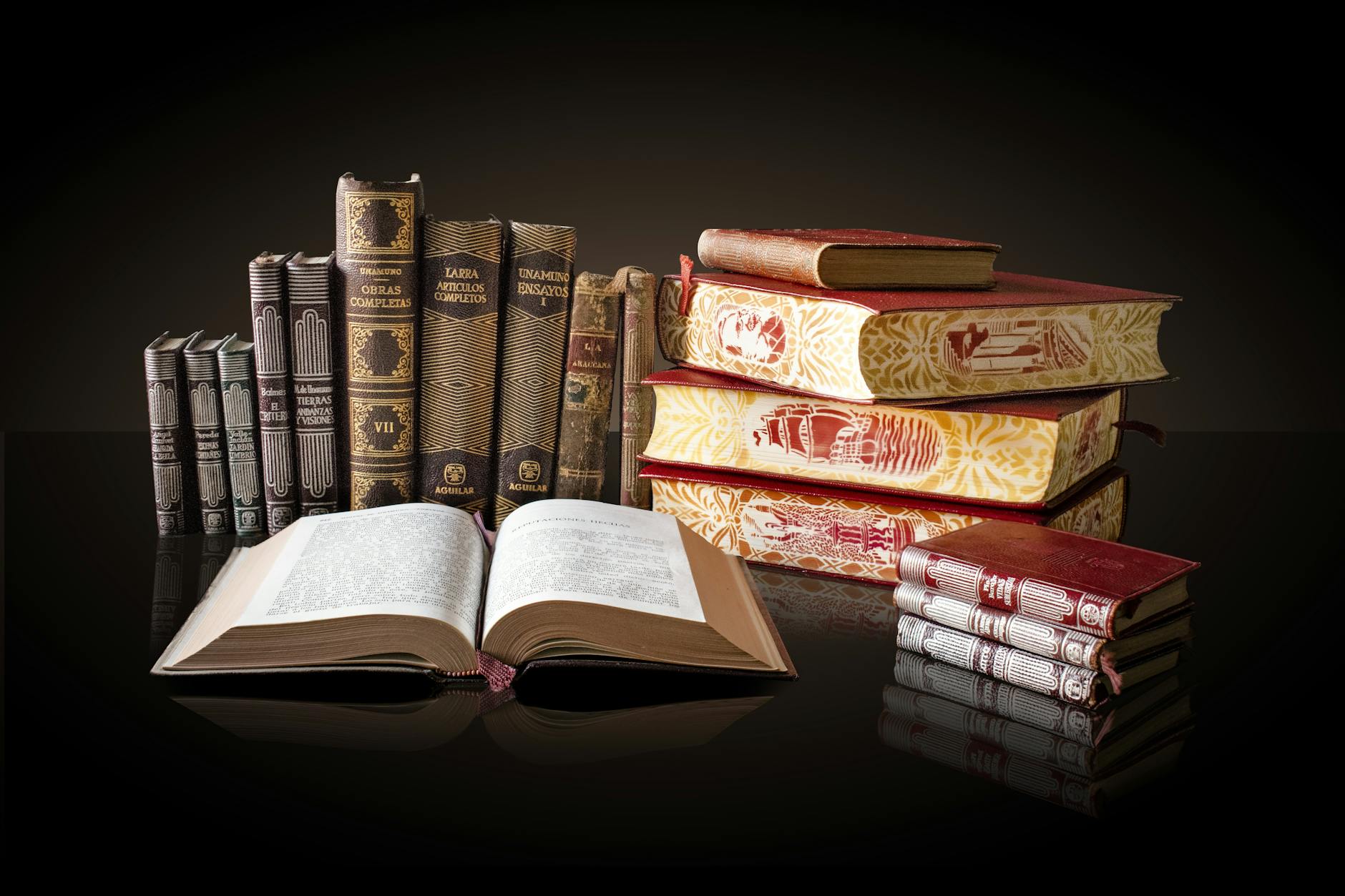
Why literature gets censored
Censorship of literature is used by states, religious organizations, and educational institutions to control what can be portrayed, spoken, performed, or written. In practice, that often means trying to ban works for political reasons or because they deal with controversial topics such as race or sex.
This matters because literature is more than entertainment. It is a way of recording, preserving, and transmitting knowledge, stories, and emotion. It can also play social, psychological, spiritual, and political roles. When a book is censored, the issue is not only the words on the page. It is also about who gets to decide what ideas are acceptable in public life.
That helps explain why certain books become flashpoints. A novel may be challenged not simply because it exists, but because it pushes against social boundaries, presents uncomfortable experiences, or uses language and themes that authorities want to restrict.
The case of Ulysses
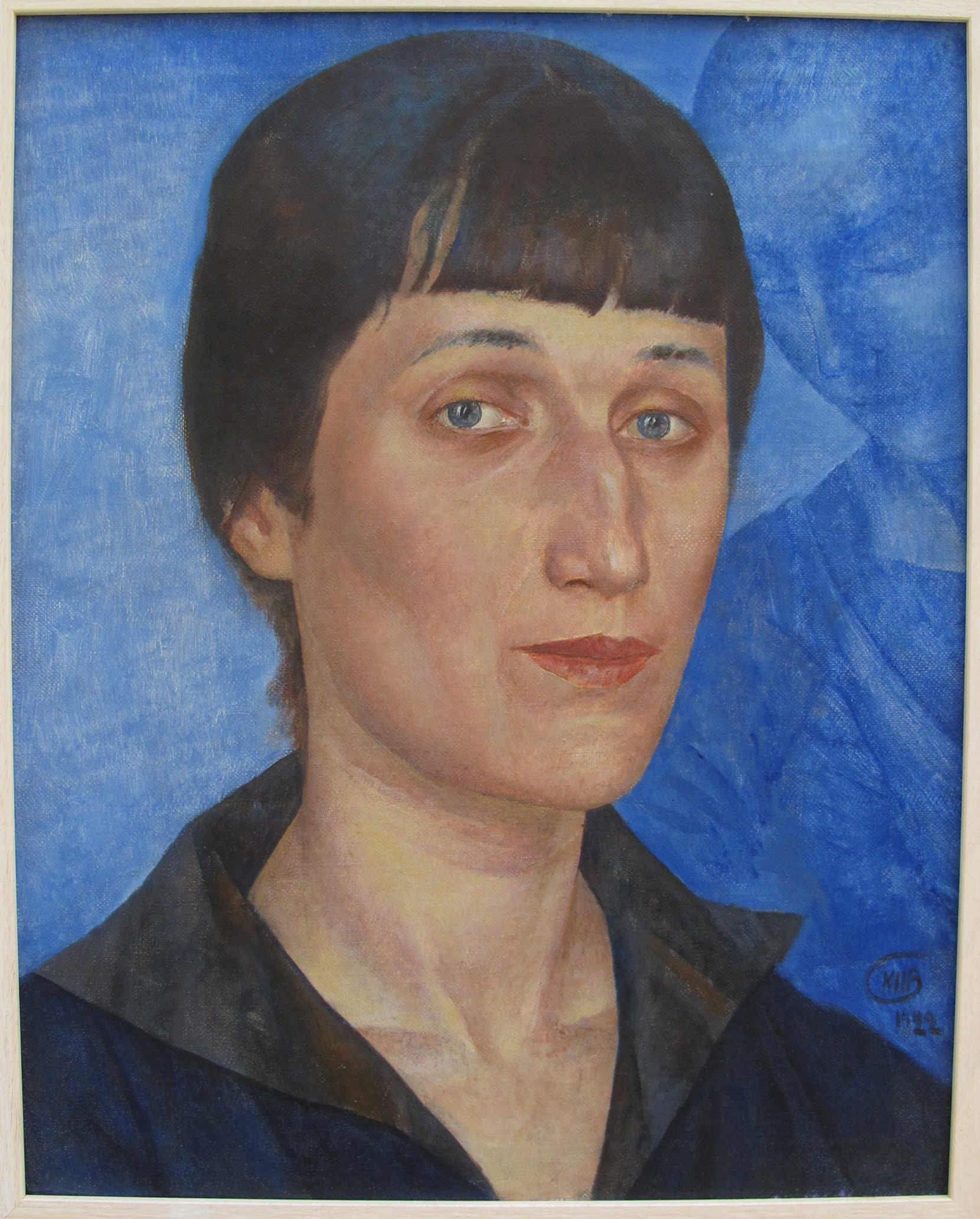
Ulysses stands as one of the most notable examples of literary censorship. It was banned in the United States from 1921 until 1933 on the grounds of obscenity. “Obscenity” in this context refers to material judged to be offensively sexual or morally improper by prevailing authorities.
What makes the story especially striking is what happened afterward. The same work that authorities once suppressed is now treated as a major literary text. It is taught in English literature courses throughout the world. The reversal is dramatic: a book once treated as dangerous eventually came to be viewed as essential.
The novel’s reputation was also elevated by extraordinary praise. Russian-American novelist Vladimir Nabokov described Ulysses as a “divine work of art” and the greatest masterpiece of 20th-century prose. Whether one agrees with that judgment or not, such admiration shows how far the book traveled in public esteem.
From scandal to status

How does a banned book become a classic? One reason is that the category of “literature” is never entirely fixed. Definitions of literature have varied over time. In Western Europe before the 18th century, the term could refer broadly to all books and writing. In narrower usage, it often refers to writing considered an art form, especially novels, plays, and poems.
A classic usually emerges when a work is no longer seen only through the lens of controversy. Instead, readers and critics begin asking different questions: Is it artistically powerful? Does it explore the human condition? Does it influence later writers? Does it reward close reading?
That is the territory of literary criticism, one of the oldest academic disciplines. Literary criticism focuses on the literary merit or intellectual significance of specific texts. In other words, it tries to assess not just whether a book shocks people, but whether it matters.
Once a text enters that conversation, its fate can change. A censored book may begin as an object of fear, then become an object of debate, and finally an object of study.
Why controversial books often endure
Books that provoke strong reactions are often engaging with deep parts of human experience. Literary fiction, in particular, is often described as fiction that explores facets of the human condition and may involve social commentary. That can make it artistically ambitious, but it can also make it controversial.
Some researchers suggest that literary fiction may even contribute to psychological development. Literature has been seen as helping readers understand characters’ situations, encounter universal emotions, and access different cultures and emotional experiences. That does not mean every controversial book is a masterpiece. But it does help explain why works that disturb audiences are not always shallow or disposable. Sometimes they survive precisely because they capture something readers cannot easily dismiss.
There is also a broader historical pattern here. Literature has repeatedly expanded beyond old boundaries. It includes print and digital writing, and in broader definitions it can include oral literature as well. Genres and forms evolve, and judgments about value evolve with them. What one generation treats as improper, another may preserve, teach, and celebrate.
The long history of controlling texts
The urge to regulate literature is not new. Across history, written works have carried enormous cultural power. Writing itself became a more dependable way of recording and presenting information in permanent form when the complexity of trade and administration outgrew human memory in ancient Mesopotamia. Later, writing supported legal systems, sacred texts, scientific inquiry, and the consolidation of knowledge.
Because texts can preserve ideas across time and spread them across distance, they naturally attract attempts at control. Religious institutions, political authorities, and schools have often shaped which works are copied, taught, or suppressed. In societies where preaching was important, or where religious authorities had strong influence over reading and writing, much of the literature produced or retained could take on a religious gloss.
The spread of printing made this struggle even more intense. Publishing existed before printing, but printing made it far more practical. Johannes Gutenberg’s movable type in Europe around 1450 made books less expensive to produce and more widely available. Once literature could circulate more easily, the stakes of censorship grew too. A book that might once have remained local could now reach a much larger audience.
Why the classroom matters
One of the clearest signs that a book has crossed from scandal into canon is its place in education. A “central text” is not just a famous book. It is a work considered important enough to study closely, discuss repeatedly, and use as part of a larger understanding of literature.
That shift matters because universities and schools play a major role in shaping the literary canon—the group of works treated as especially significant. Canon formation is never neutral. It reflects changing values, critical methods, and cultural priorities. The fact that feminist scholars have worked since the twentieth century to expand the literary canon to include more women writers shows that the canon is constantly being revised.
So when a once-banned book becomes standard reading, it tells us something not only about the book, but about the culture that now embraces it. The classroom can transform a forbidden object into a recognized work of art.
Literature, offense, and artistic value
The story of Ulysses also raises a larger question: should offense determine value? Literature has often been judged in moral terms, but it has also been judged aesthetically—that is, in terms of artistic quality. A value-based definition of literature treats it as high-quality writing within the tradition of belles-lettres, or “fine writing.”
Those two forms of judgment do not always agree. A work may offend some readers and still be considered artistically important. That tension is one reason literary debates last so long. The same text can be condemned for its subject matter and praised for its craft.
Even the boundary between forms is more flexible than it may seem. Literature includes fiction and, in broader definitions, non-fiction such as biography, memoir, letters, essays, journalism, history, and technical writing. It also stretches across poetry, prose, and drama. As definitions widen, so does the field of what can be disputed, defended, or canonized.
The lesson of a banned classic
Ulysses is a powerful reminder that literary reputation is not settled at birth. A book can begin as contraband and end as curriculum. It can be attacked as obscene in one era and honored as a masterpiece in another.
That transformation reveals something essential about literature itself. Literature is not just a pile of written works. It is a living cultural argument about meaning, merit, expression, and limits. Censorship tries to close that argument by controlling what people can read or discuss. Classics do the opposite: they keep the argument alive.
And sometimes, the very books once pushed to the margins become the ones later generations decide they cannot afford to ignore.