If life exists beyond Earth, it may not be waiting on the surface of a planet in some obvious, easy-to-spot form. Some of the most promising places to search are hidden, extreme, and surprisingly unlike the environments people usually imagine when they think about “habitable” worlds. Scientists looking for extraterrestrial life focus on places that could support even simple microbial organisms, and the best clues often come from studying how life survives on Earth under harsh conditions.
Watch the story on DeepSwipe
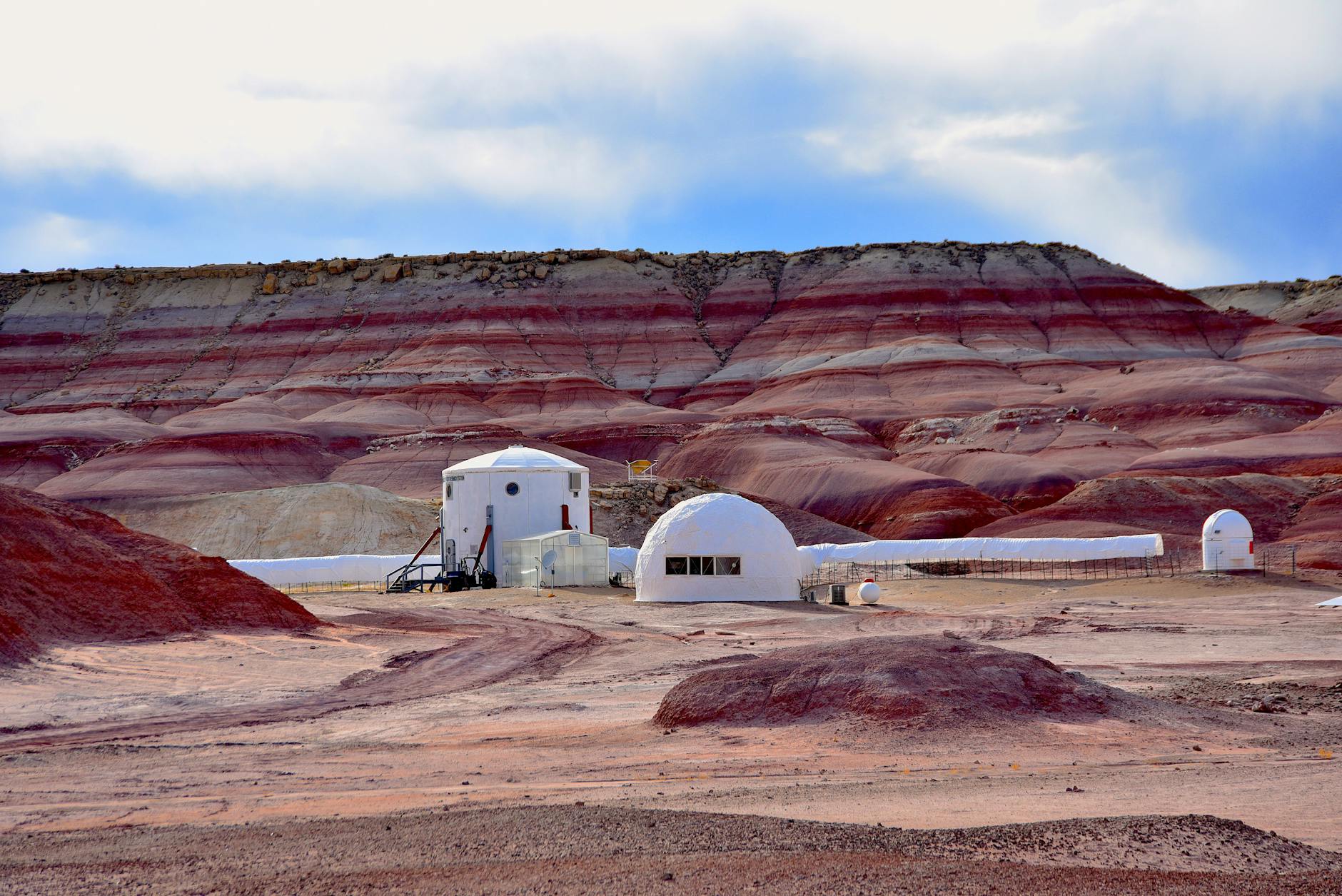
Why the search starts with life’s toughness
Life on Earth is astonishingly adaptable. Organisms exist in soil, hot springs, deep underground inside rocks, in the deepest parts of the ocean, and high in the atmosphere. Some microorganisms can withstand freezing, starvation, complete desiccation, and high levels of radiation exposure for long periods. These extremophiles are important because they expand our idea of where life might survive elsewhere.
This matters for astronomy and planetary science because other worlds in the Solar System may look hostile on the surface while still offering protected niches where life could persist. The search for alien life is shaped by the recognition that organisms do not necessarily need mild, Earthlike surface conditions. They may survive in buried water, deep rock, or other sheltered environments.
Subsurface worlds: the great hiding places
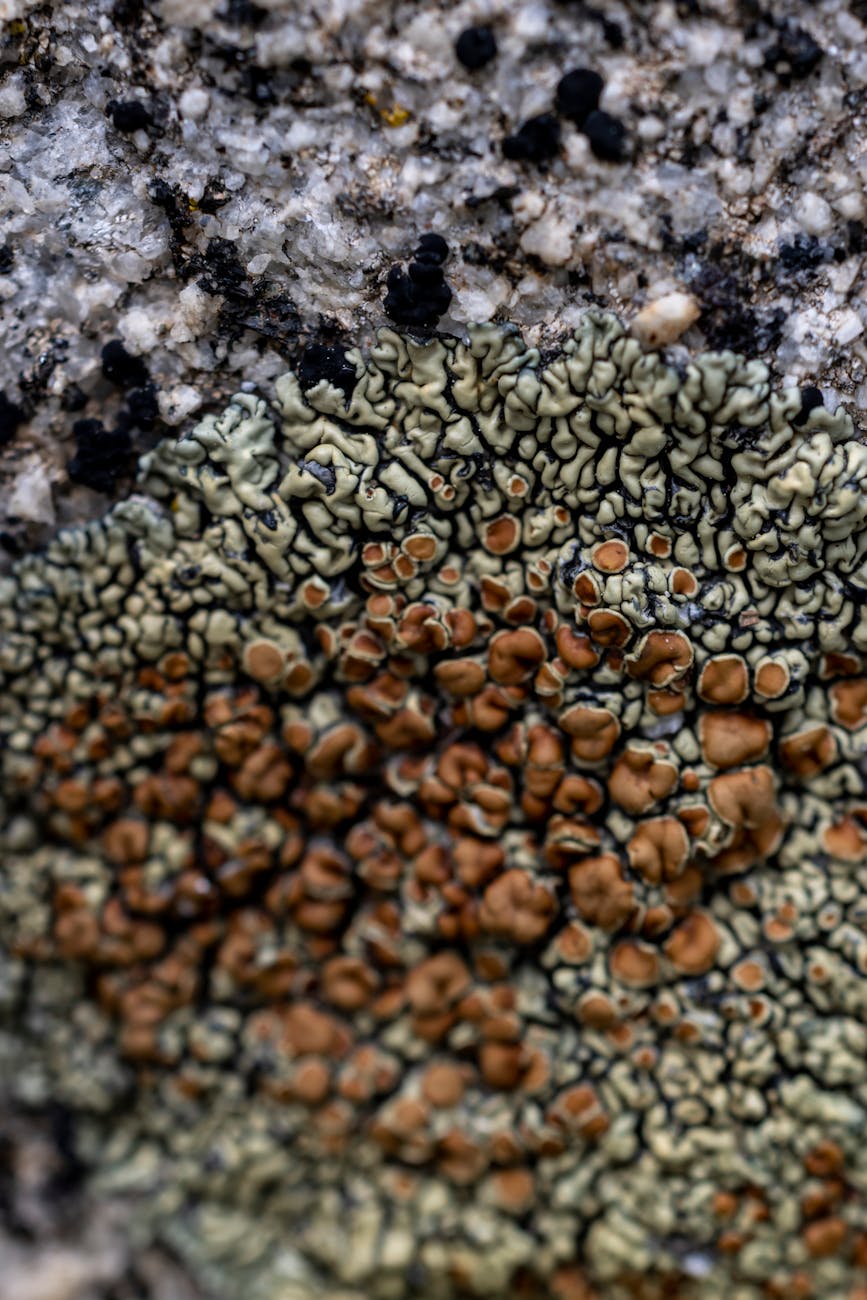
Some of the most discussed locations for possible microbial life are subsurface environments. These are places below a planet or moon’s surface, where rock, soil, or ice could shield organisms from dangerous external conditions.
Within the Solar System, places considered possible homes for microbial life include the subsurface of Mars, the upper atmosphere of Venus, and subsurface oceans on some moons of the giant planets. These settings are intriguing because they may offer protection and stability that exposed surfaces do not.
Mars is a major target because the subsurface could provide refuge from harsh surface conditions. Venus is a different kind of candidate: rather than the surface, attention has turned to its upper atmosphere. And on icy moons, the key idea is that oceans may exist buried beneath outer layers, creating hidden aquatic environments far from direct sunlight.
These are the kinds of places where life, if it exists, might be difficult to detect directly. That is why the search is often less about spotting obvious organisms and more about identifying environments that could support them.
Earth’s survival experts as guides
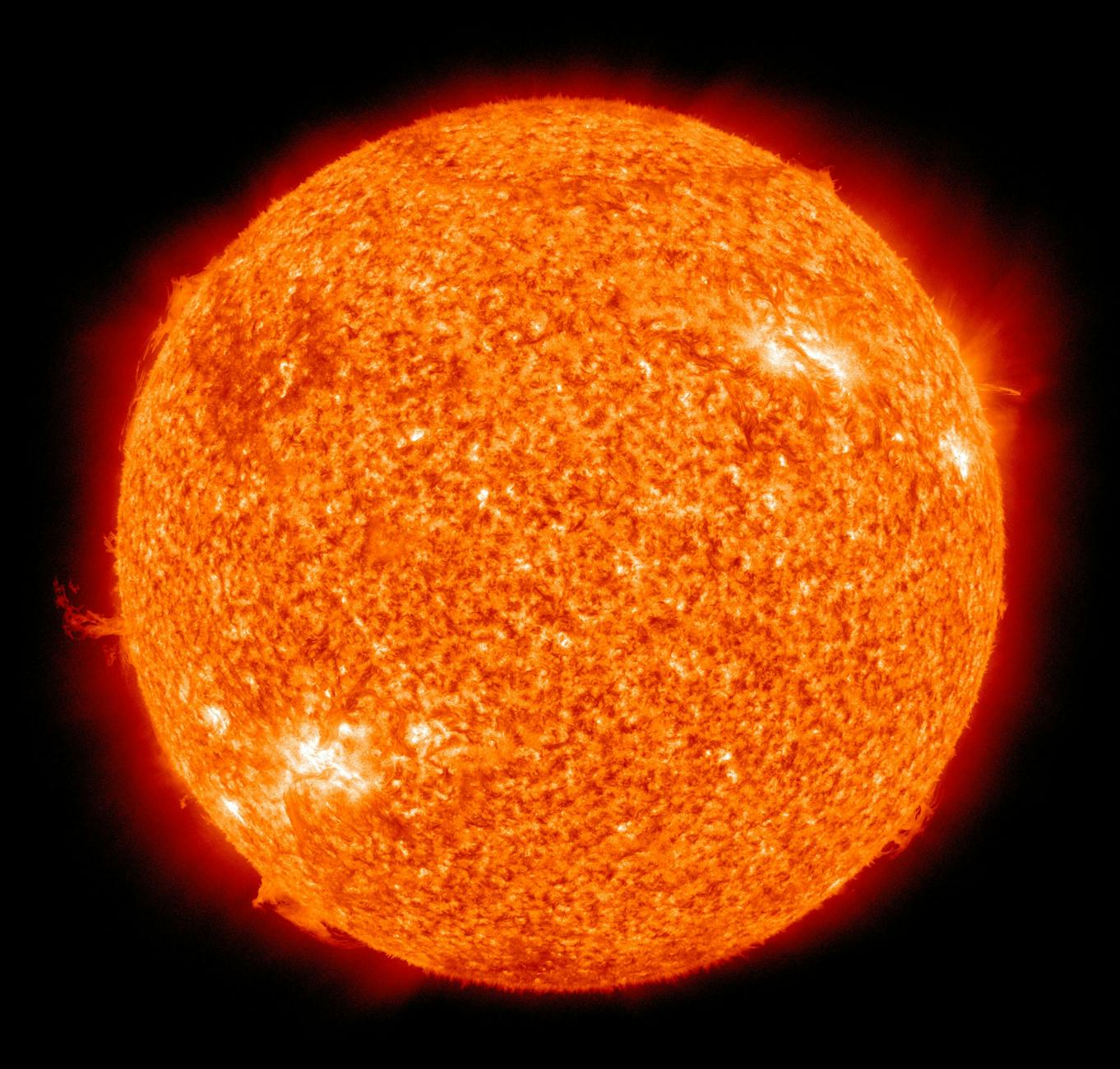
One of the most striking clues comes from lichen. In a simulated Martian environment, lichen survived for a month. That does not prove life exists on Mars, but it shows that at least some life forms from Earth are robust enough to endure conditions designed to resemble that world.
Lichen are useful examples because they demonstrate tenacity and versatility. Studying how organisms cope with extreme cold, dryness, radiation, or limited resources helps researchers understand what kinds of molecular systems might make survival possible elsewhere.
This is a central idea in astrobiology: to search for life beyond Earth, scientists first study the limits of life on Earth. The broader the range of conditions life can tolerate here, the more locations become plausible targets out there.
The habitable zone: helpful, but not the whole story
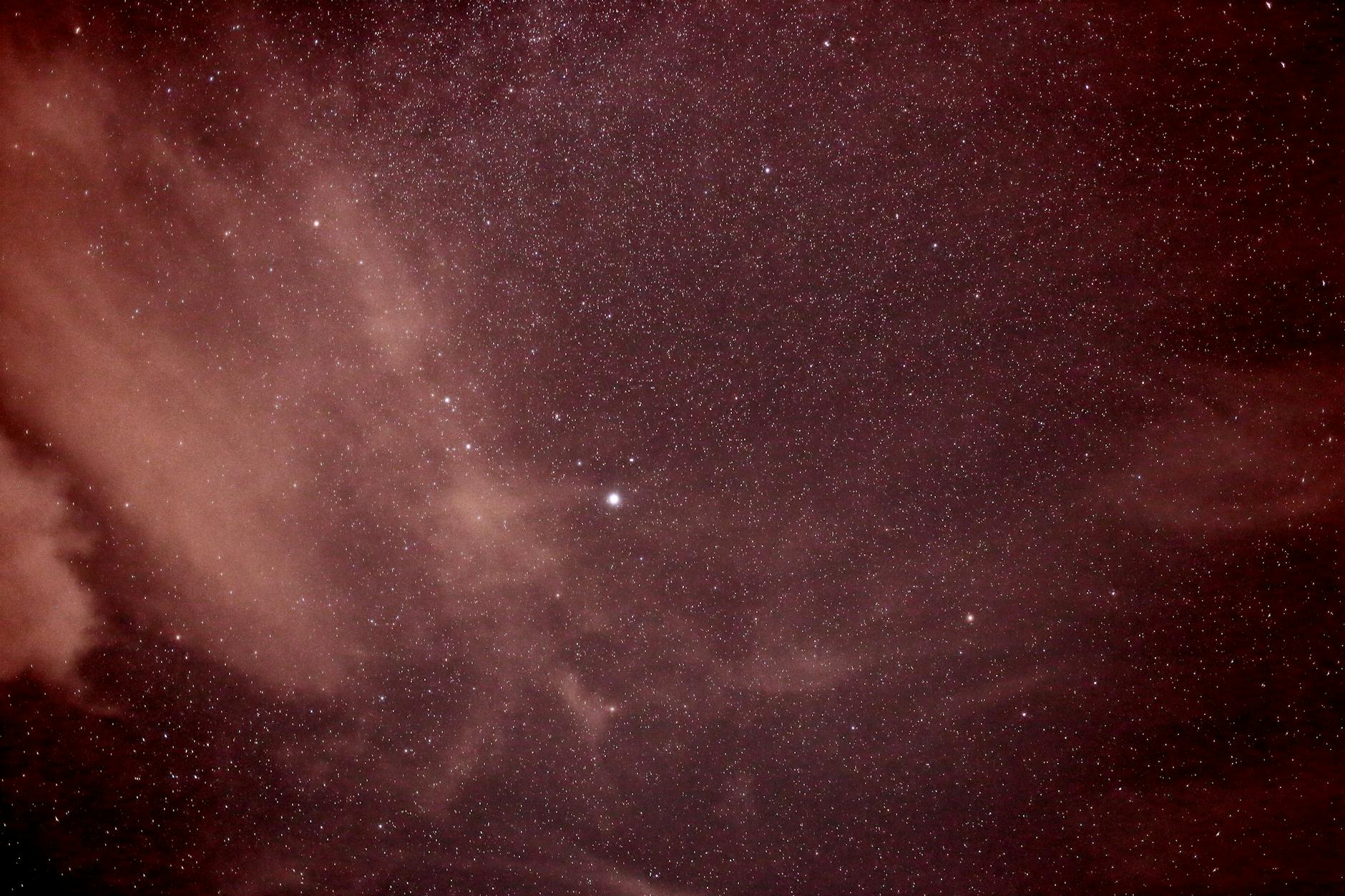
A famous concept in the search for alien life is the habitable zone. This is the region around a main-sequence star where an Earth-like planet could support Earth-like life. In simple terms, it is often treated as the range of distances where conditions might allow life-friendly environments.
But not all habitable zones are equally promising.
The size of a star’s habitable zone depends on the star’s luminosity, meaning how much energy it gives off. More massive stars have larger habitable zones, but they remain on the Sun-like “main sequence” stage of stellar evolution for a shorter time. In other words, they may provide a broad potentially life-supporting region, but for less time.
Small red dwarfs have the opposite problem. Their habitable zones are smaller, and planets in those zones may face higher levels of magnetic activity. They may also be affected by tidal locking.
Tidal locking means a world keeps the same face toward its star, much like the Moon keeps the same face toward Earth. That can create very unusual planetary conditions, because one side may constantly face the star while the other remains turned away.
Because of these trade-offs, stars with intermediate mass such as the Sun may offer a better chance for Earth-like life to develop.
Why location in a galaxy may matter
A planet’s star is not the only factor. The star’s location within its galaxy may also influence the chances for life.
Regions with a greater abundance of heavier elements that can form planets are considered more favorable. At the same time, areas with a low rate of potentially habitat-damaging supernova events may be better for complex life. A supernova is an enormous stellar explosion, and frequent nearby events could make environments less stable or more dangerous.
Put simply, a good star may still need to be in the right neighborhood. The “right street” in a galaxy could be one that has the raw materials for planet formation without too many catastrophic cosmic disruptions.
How scientists talk about evidence
Finding life beyond Earth is not likely to be a simple yes-or-no moment. Evidence may come in stages, growing stronger as more data accumulates. To help describe that process, a “Confidence of Life Detection” scale, or CoLD, has been proposed.
The purpose of such a scale is to report how strong the evidence for life beyond Earth actually is. That is useful because extraordinary claims need careful evaluation. A possible hint, a strong pattern, and convincing confirmation are not the same thing, and a structured scale helps communicate those differences.
The big picture: look where life can endure
The search for life in the universe has moved far beyond the idea that only Earthlike surfaces around Sunlike stars deserve attention. Research now points toward hidden oceans, underground refuges, atmospheric niches, and worlds orbiting many kinds of stars. At the same time, it reminds us that some environments may look promising at first glance yet pose serious problems, such as short stellar lifetimes, magnetic activity, or tidal locking.
The most powerful lesson may come from Earth itself. Life here occupies an enormous range of environments and includes organisms that survive conditions once thought impossible. That resilience makes the universe seem more biologically open than it once did.
So where should we look first? Beneath surfaces. In buried oceans. In unusual atmospheres. Around the right kinds of stars. And in calmer regions of galaxies where planets can form and persist long enough for biology to get started.
Alien life, if it exists, may be less about finding a second Earth in plain sight and more about discovering life’s hidden strongholds.