Himeji Castle is famous for its brilliant white exterior and elegant silhouette, but behind that beauty lies a highly sophisticated defensive machine. Often called White Egret Castle or White Heron Castle because it seems to resemble a bird taking flight, Himeji is also regarded as the finest surviving example of prototypical Japanese castle architecture. Its design was not only impressive to look at. It was built to delay, confuse, and punish attackers.
This hilltop castle complex in Himeji, Hyōgo Prefecture, is the largest castle in Japan and includes a network of 83 structures. Those buildings, walls, gates, corridors, turrets, and moats worked together as a complete system of defense. Many visitors first notice the castle’s graceful lines, curved walls, and white plaster, but some of its most fascinating features are easy to miss: tiny openings in the walls, angled chutes above passages, hidden storage spaces, and water sources meant to keep defenders alive during a siege.
The tiny openings that turned walls into weapons
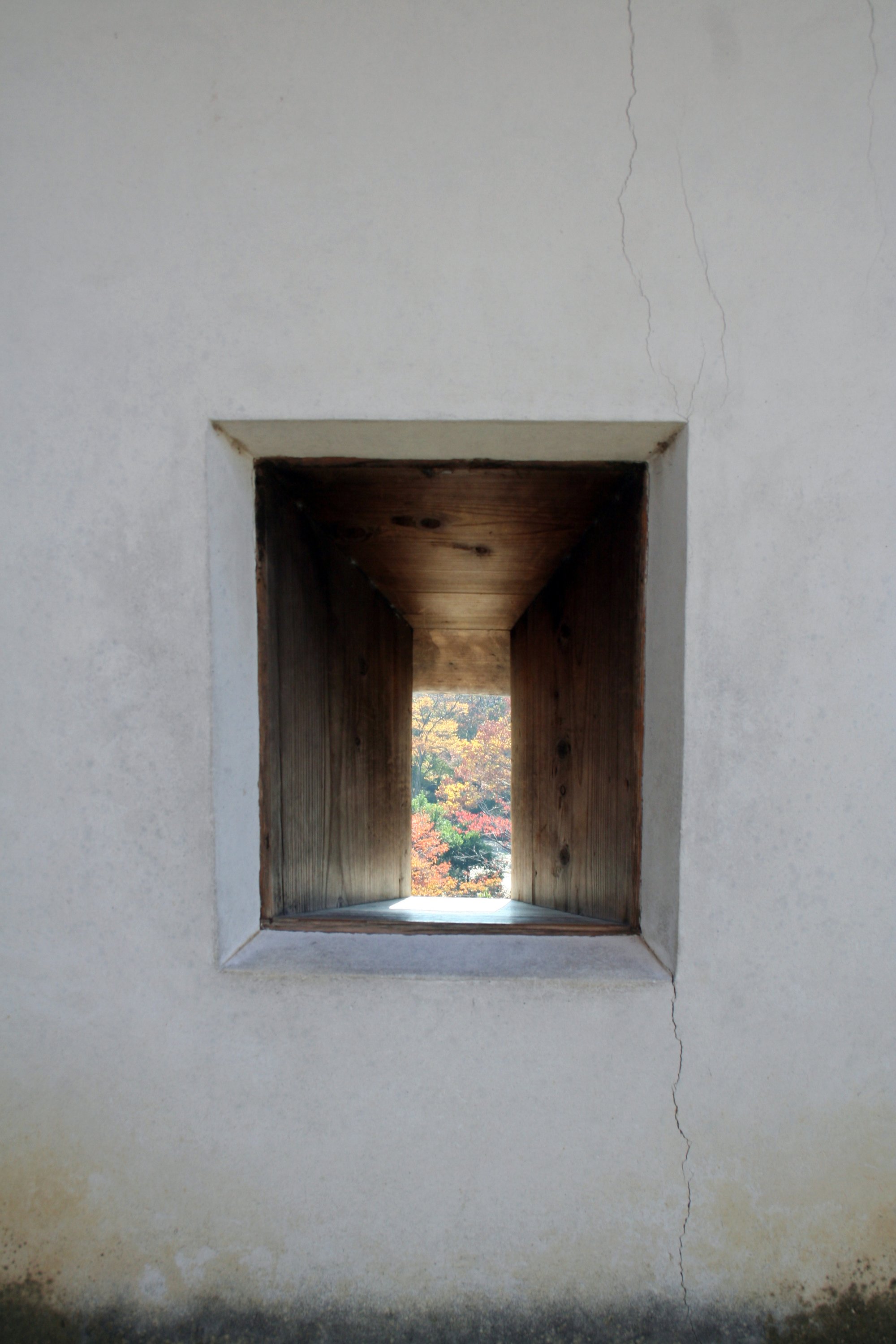
One of the most striking defensive features at Himeji Castle is its many loopholes, called sama. These were small openings built into the castle’s walls and structures so defenders could attack while staying protected.
What makes Himeji especially interesting is the variety of shapes used for these loopholes. They appear as circles, triangles, squares, and rectangles. These were not decorative details. They were practical firing ports that allowed defenders armed with tanegashima or bows to shoot at enemies without exposing much of their bodies.
A tanegashima was an early Japanese matchlock firearm. In simple terms, it was a gun that fired using a slow-burning match cord to ignite powder. At Himeji Castle, these firearms gave defenders the ability to strike from cover. Archers could do the same through the loopholes, creating a defensive wall that could fight back from many angles.
Roughly 1,000 loopholes still exist in the remaining castle buildings today. That number gives a sense of how thoroughly defense was built into the complex. These were not a few scattered openings added as an afterthought. They were part of a carefully planned fortress system.
Stone drop windows and vertical defense
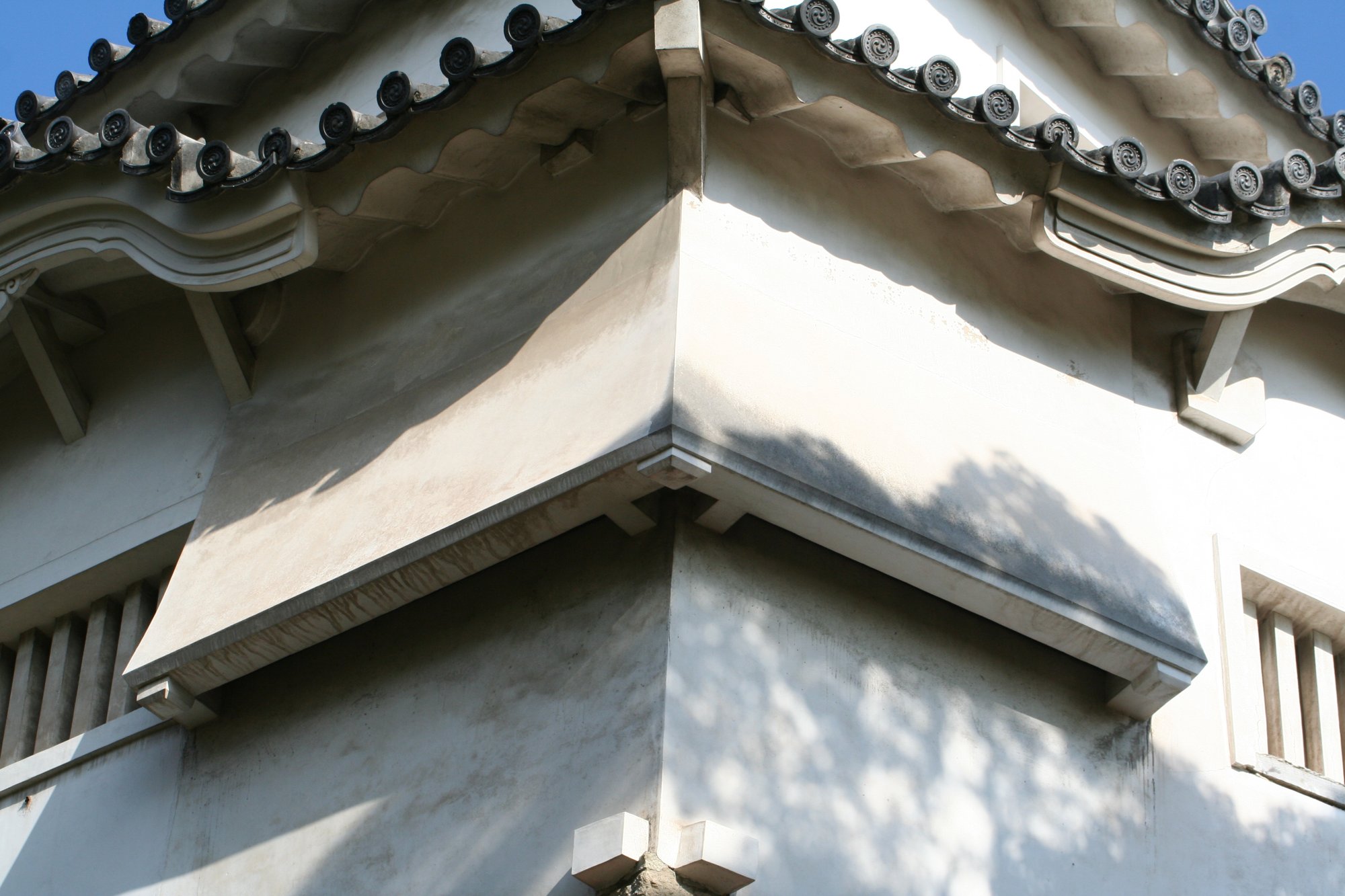
Not all attacks came from far away. Once enemies got close to the walls, the defenders needed ways to strike downward. That is where the castle’s stone drop windows came in.
These angled chutes, called ishi-otoshi-mado, were built into the walls at numerous points. They allowed defenders to drop stones or pour boiling oil onto attackers below. Anyone trying to force a gate, climb near a wall, or move through a narrow passage could suddenly find danger coming straight from above.
This kind of vertical defense was especially effective in a castle like Himeji, where attackers were funneled through controlled routes. It meant that the walls were not just barriers. They were active fighting positions.
The castle’s white plaster also played a defensive role. Himeji’s bright exterior is part of what made it famous, but the plaster was not only beautiful. It was used because it resisted fire. In a time when fire could be one of the greatest threats to wooden structures, that mattered enormously.
Built to outlast a siege
Himeji Castle was designed not just to repel attackers in a sudden assault, but to endure a long siege. A siege is a military strategy in which attackers surround a stronghold and try to starve out or wear down the people inside rather than storming it immediately.
To survive that kind of pressure, a fortress needed supplies. Himeji’s complex, especially the Waist Quarter, contained numerous warehouses used to store rice, salt, and water. These were essential resources. Rice was a staple food, salt was crucial for preserving and seasoning food, and water was necessary for daily survival and fire prevention.
One structure, the Salt Turret, was specifically used to store salt. It is estimated to have held as many as 3,000 bags of salt when the castle complex was in use. That single detail reveals how seriously the planners took the possibility of a prolonged emergency.
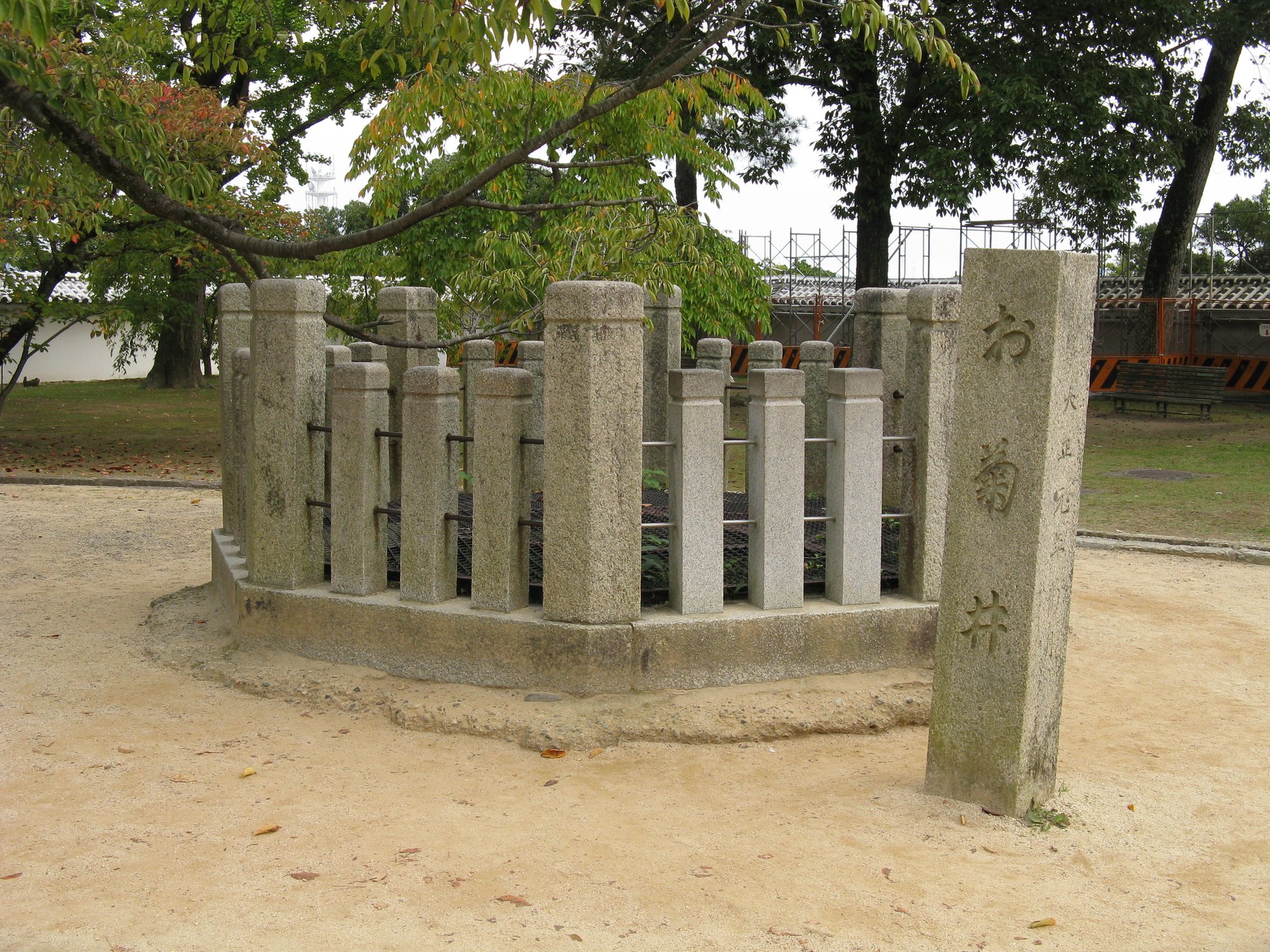
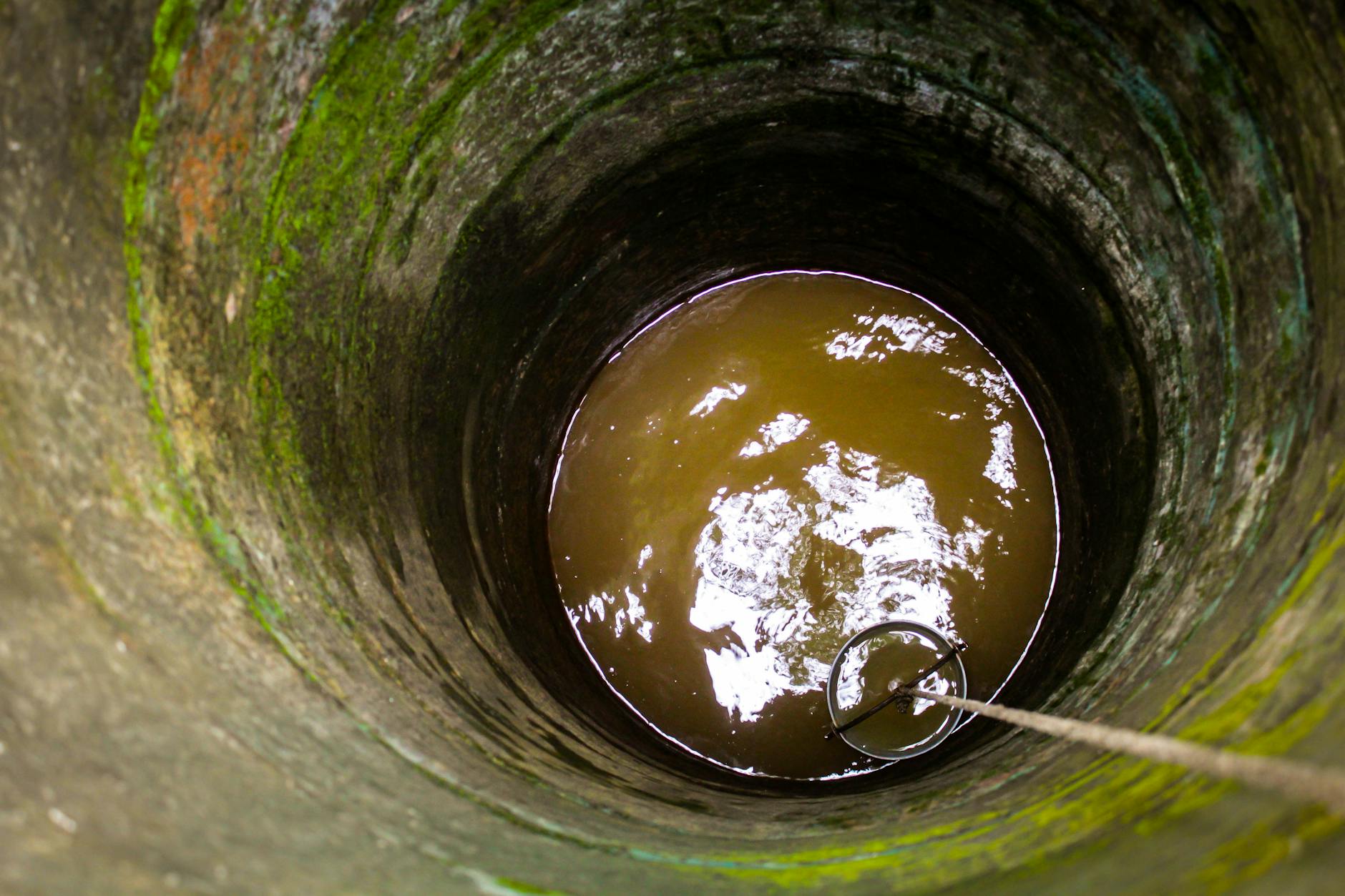
Water storage was just as important. The castle complex included 33 wells within the inner moat, and 13 of them still remain. The deepest surviving well reaches 30 meters. A well that deep would have been a valuable safeguard if outside water access was cut off.
There was also the Three Country Moat, a 2,500-square-meter pond inside the castle, and one of its purposes was to store water for fire prevention. In a largely wooden fortress, protecting against fire was as vital as defending against blades or bullets.
The maze was part of the weapon system
The hidden weapons in Himeji Castle were not limited to holes and chutes in the walls. The layout itself was a defense mechanism.
One of the castle’s most important protective features was the confusing maze of paths leading to the main keep. The keep, or tenshu, was the central and most prominent tower of the castle. At Himeji, the gates, baileys, and outer walls were arranged to confuse approaching enemies and force them into a spiral route around the complex.
A bailey is an enclosed courtyard or defensive enclosure inside a castle. At Himeji, these spaces and passageways were organized to break up an attacker’s advance and make movement slow and uncertain.
The effect was dramatic. The straight-line distance from the Hishi Gate to the main keep is only 130 meters, but the actual route stretches to 325 meters. Walkways even turn back on themselves, and the passages are steep and narrow. That meant invaders had to spend more time exposed while defenders watched from above and from the loopholes.
Originally, the castle complex had 84 gates. Today, 21 remain intact. The sheer number of gates shows how layered the defense once was. Each turn, gate, and enclosed approach increased the attacker’s confusion and the defender’s advantage.
Interestingly, this elaborate system was never tested in the kind of full assault it was designed for. Even so, its effectiveness is suggested by a modern detail: many visitors still have trouble navigating the castle complex today, even with the route clearly marked.
A fortress hidden inside a masterpiece
Himeji Castle is often admired for its beauty first. Its white walls, hilltop setting, and clustered keeps make it one of Japan’s most recognizable landmarks. The main keep rises 46.4 meters high, and together with three smaller subsidiary keeps it forms a dramatic cluster of towers. But the more closely you look, the clearer it becomes that this was a fortress built with extraordinary care.
Its walls reached heights of 26 meters in places. It had three moats, though the outer moat is now buried while parts of the central moat and all inner moats survive. The moats averaged 20 meters in width, with a maximum width of 34.5 meters and a depth of about 2.7 meters. These were not ornamental water features. They were obstacles meant to slow and expose an enemy.
Inside the main keep, the first floor had weapon racks for matchlocks and spears, and at one point the castle contained as many as 280 guns and 90 spears. The third and fourth floors included stone-throwing platforms at the windows, allowing defenders to observe attackers or hurl objects downward. They also contained warrior hiding places, small enclosed rooms where defenders could conceal themselves and launch surprise attacks.
These details show that Himeji’s military strength was built into every level of the structure. The castle was not simply a symbol of power. It was a practical defensive environment where architecture and warfare were tightly linked.
Why Himeji’s defenses still fascinate people
Himeji Castle has survived for almost 700 years, enduring events such as the bombing of Himeji in World War II and the 1995 Great Hanshin earthquake. That endurance adds to the fascination of its defensive design. This is not just a reconstruction or a romantic imitation. It is a historic fortress whose walls, passages, openings, and wells still tell the story of how carefully feudal-era builders prepared for danger.
Registered in 1993 as one of Japan’s first UNESCO World Heritage Sites, Himeji remains both a cultural icon and a lesson in military architecture. Its hidden weapons remind us that some of the most powerful defenses are not flashy at all. They are small openings, narrow routes, deep wells, and supplies stored out of sight.
From a distance, Himeji Castle looks serene. Up close, it reveals itself as something even more impressive: a fortress where nearly every wall could fight back.