Philosophy literally means “love of wisdom,” but that simple phrase hides a remarkable diversity of goals. Across civilizations, thinkers have asked big, difficult questions about reality, knowledge, conduct, and human life. Yet they have not always emphasized the same problems. Some traditions leaned toward explaining the world through rational inquiry. Others focused on enlightenment, social harmony, or the relation between reason and religious truth.
That variety is what makes philosophy so fascinating. It is not just one conversation with one method and one destination. It is a family of traditions, each trying to understand the human condition in a distinctive way.
Watch the story on DeepSwipe

What philosophy is trying to do
At its broadest, philosophy is a systematic study of general and fundamental questions. It asks about existence, knowledge, mind, reason, language, and value. It is rational and critical, and it also reflects on its own methods and assumptions.
In plain terms, philosophy does not just ask questions like “What is real?” or “How should I live?” It also asks how we should go about answering those questions in the first place.
Major branches of philosophy include epistemology, ethics, logic, and metaphysics. Epistemology studies knowledge: what it is, how it is acquired, and what its limits are. Ethics investigates moral principles and right conduct. Logic examines correct reasoning and how to tell good arguments from bad ones. Metaphysics looks at the most general features of reality, such as existence, objects, properties, space, time, and causation.
But philosophy is bigger than any list of branches. Historically, it also served as the starting point for many sciences. Physics and psychology, for example, once formed part of philosophy before becoming separate disciplines.
One human pursuit, different cultural aims
Four major traditions stand out in the global history of philosophy: Western, Arabic–Persian, Indian, and Chinese philosophy. All are engaged in rational reflection, but each developed around a somewhat different center of gravity.
Western philosophy spread into many subfields and pursued a wide range of theoretical questions. Arabic–Persian philosophy gave special importance to the relation between reason and revelation. Indian philosophy combined investigation into reality and knowledge with the spiritual question of how to reach enlightenment. Chinese philosophy focused above all on practical matters such as right conduct, government, and self-cultivation.
These differences do not mean the traditions are sealed off from one another or limited to one theme. They show, instead, that wisdom can be pursued through different emphases: truth, harmony, liberation, or reconciliation between faith and reason.
Western philosophy: from the cosmos to mind and morals
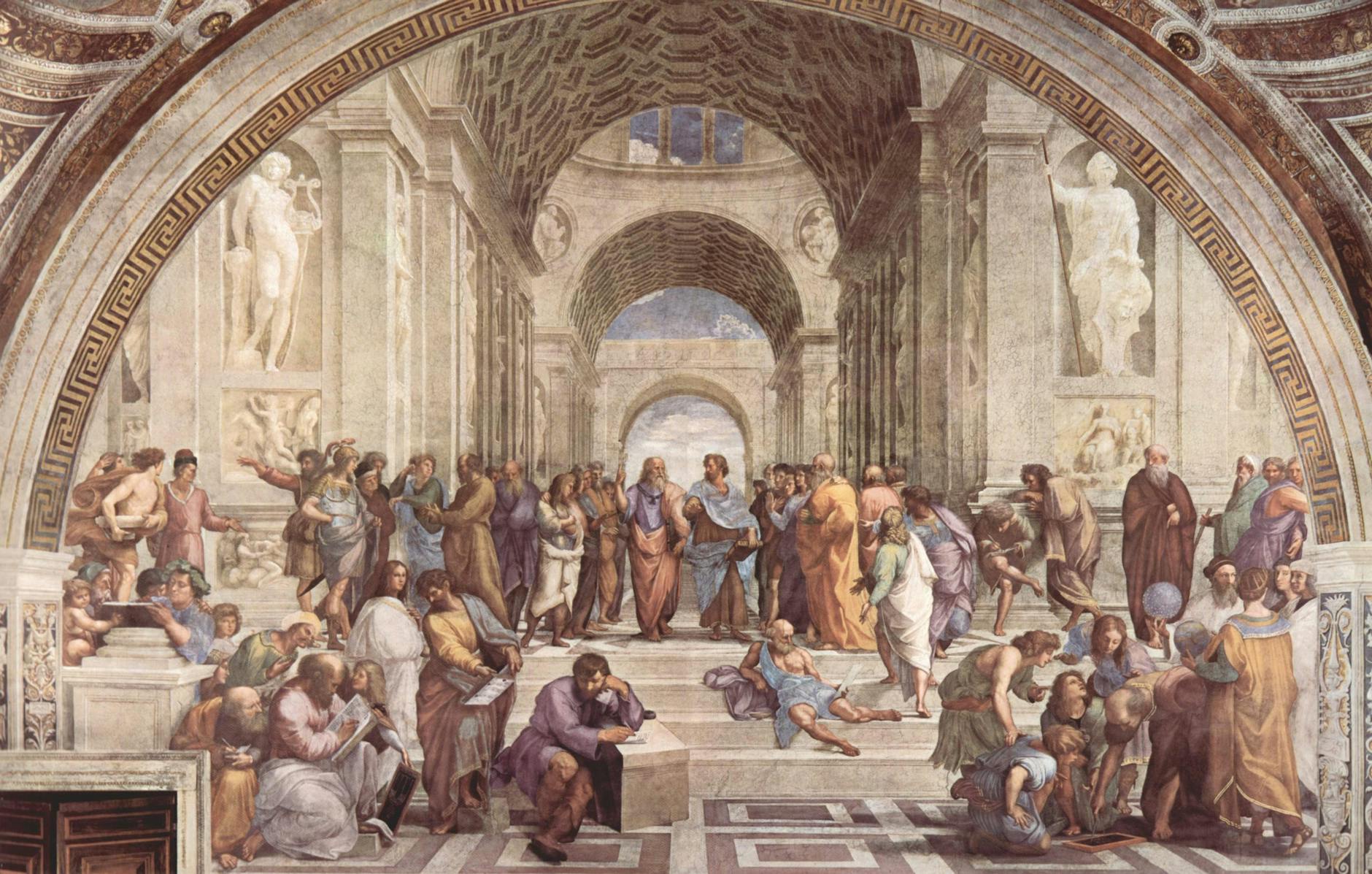
Western philosophy originated in Ancient Greece in the 6th century BCE. The earliest thinkers, often called the pre-Socratics, sought rational explanations of the cosmos as a whole. Rather than relying on myth, they attempted to understand the world through argument and inquiry.
This tradition expanded dramatically with Socrates, Plato, and Aristotle. Their work widened philosophy’s scope to include questions about how people should act, how knowledge is possible, and what reality and mind are like. Those concerns still define much of philosophy today.
One reason Western philosophy often feels especially broad is that it developed many distinct subfields. Questions about reality became part of metaphysics. Questions about knowledge became central to epistemology. Questions about how to live fed into ethics and political philosophy. Over time, interest also grew in language, science, mathematics, religion, art, and history.
The tradition continued to change across centuries. Ancient movements such as Epicureanism, Stoicism, Skepticism, and Neoplatonism each offered different answers about truth and the good life. During the medieval period, many thinkers used ancient philosophy to elaborate Christian doctrines. The Renaissance renewed interest in ancient schools, especially Platonism, and also saw the rise of humanism. In the modern period, attention turned strongly toward how reason and sensory experience contribute to knowledge.
So when people think of philosophy as a field full of theories about reality, knowledge, mind, and morality, they are often thinking in the shadow of this Western expansion into many specialized areas.
Arabic–Persian philosophy: reason and revelation in dialogue
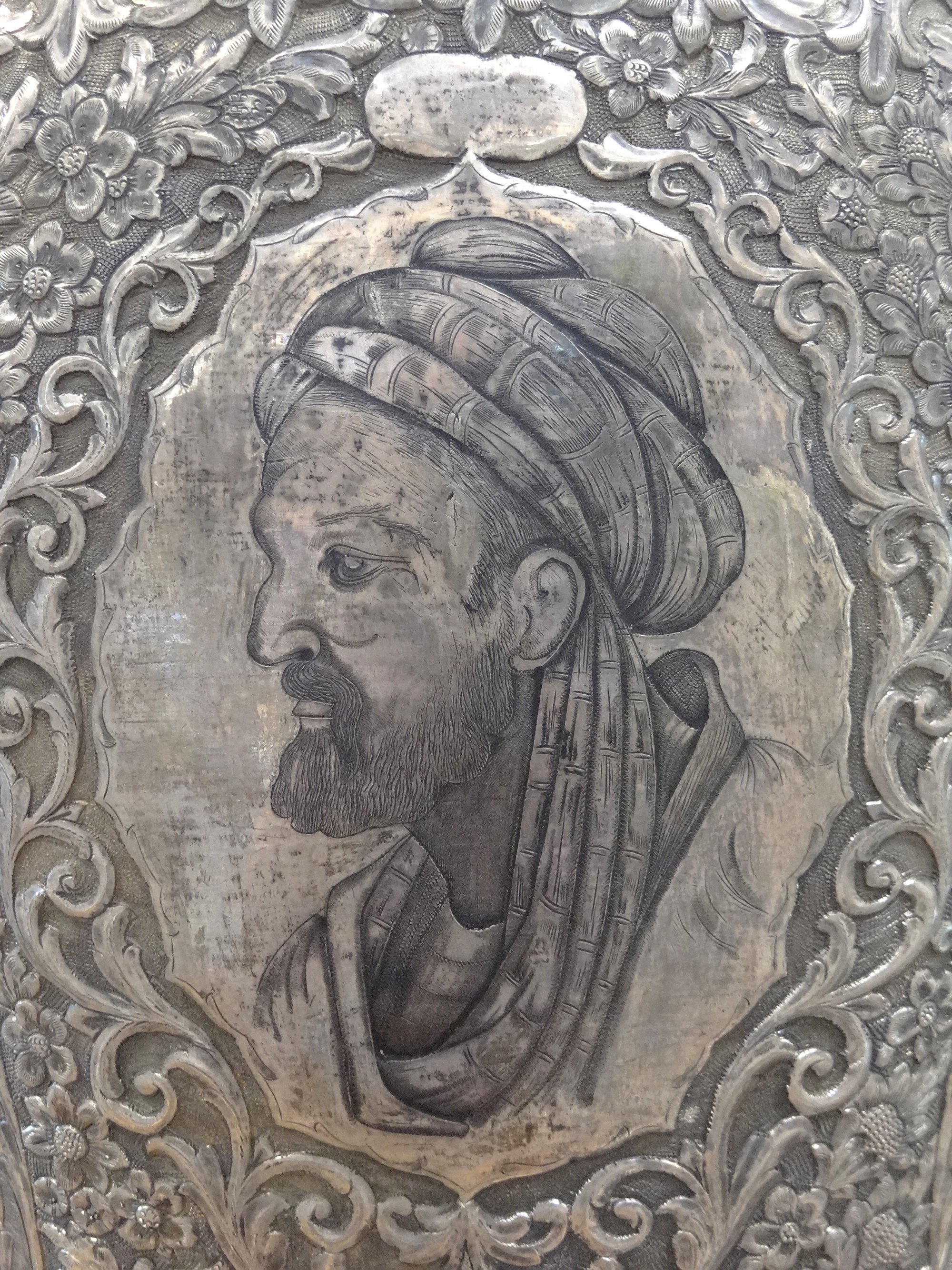
Arabic–Persian philosophy emerged in the early 9th century CE in response to discussions within the Islamic theological tradition. Its classical period lasted until the 12th century CE and drew strongly on ancient Greek philosophy.
Its defining concern was not simply to repeat Greek ideas, but to use them in interpreting the teachings of the Quran. That is why the relation between reason and revelation became such a central theme.
Reason, here, means the use of argument and rational thought to understand reality. Revelation refers to truths believed to be given by God. The philosophical challenge is clear: if both matter, how do they fit together? Can reason support faith? Are there limits to what reason can discover on its own?
Al-Kindi is usually regarded as the first philosopher of this tradition. He translated and interpreted works of Aristotle and the Neoplatonists while trying to show that reason and faith are harmonious. Avicenna pursued a similar goal, developing a comprehensive philosophical system intended to give a rational understanding of reality that included science, religion, and mysticism.
Not every thinker in the tradition gave reason the same authority. Al-Ghazali strongly criticized the idea that reason can achieve a true understanding of reality and God by itself. He offered a detailed critique of philosophy and argued for a more limited place for it alongside the Quran and mystical insight.
That tension is precisely what makes Arabic–Persian philosophy so compelling. It is a tradition shaped by debate over how far rational inquiry can go when ultimate truth is also tied to divine revelation.
Indian philosophy: knowledge, reality, and enlightenment together
Indian philosophy stands out for linking three major concerns that are often separated elsewhere: the nature of reality, the ways of arriving at knowledge, and the spiritual question of how to reach enlightenment.
Enlightenment, in this context, means a deep spiritual awakening or liberation. It is not just a matter of gaining information. It is a transformation connected to freedom from suffering or ignorance.
This tradition began around 900 BCE with the Vedas, foundational scriptures of Hinduism. They explored the relation between the self and ultimate reality, as well as the rebirth of souls based on past actions. Alongside Vedic thought, non-Vedic teachings also emerged, including Buddhism and Jainism.
Buddhism, founded by Gautama Siddhartha, challenged the Vedic idea of a permanent self and proposed a path to liberation from suffering. Jainism, founded by Mahavira, emphasized non-violence and respect toward all forms of life.
In the classical period, several orthodox schools of Hinduism appeared, including Nyāyá, Vaiśeṣika, Sāṃkhya, Yoga, Mīmāṃsā, and Vedanta. These schools differed in outlook, but together they show how rich philosophical inquiry in India became.
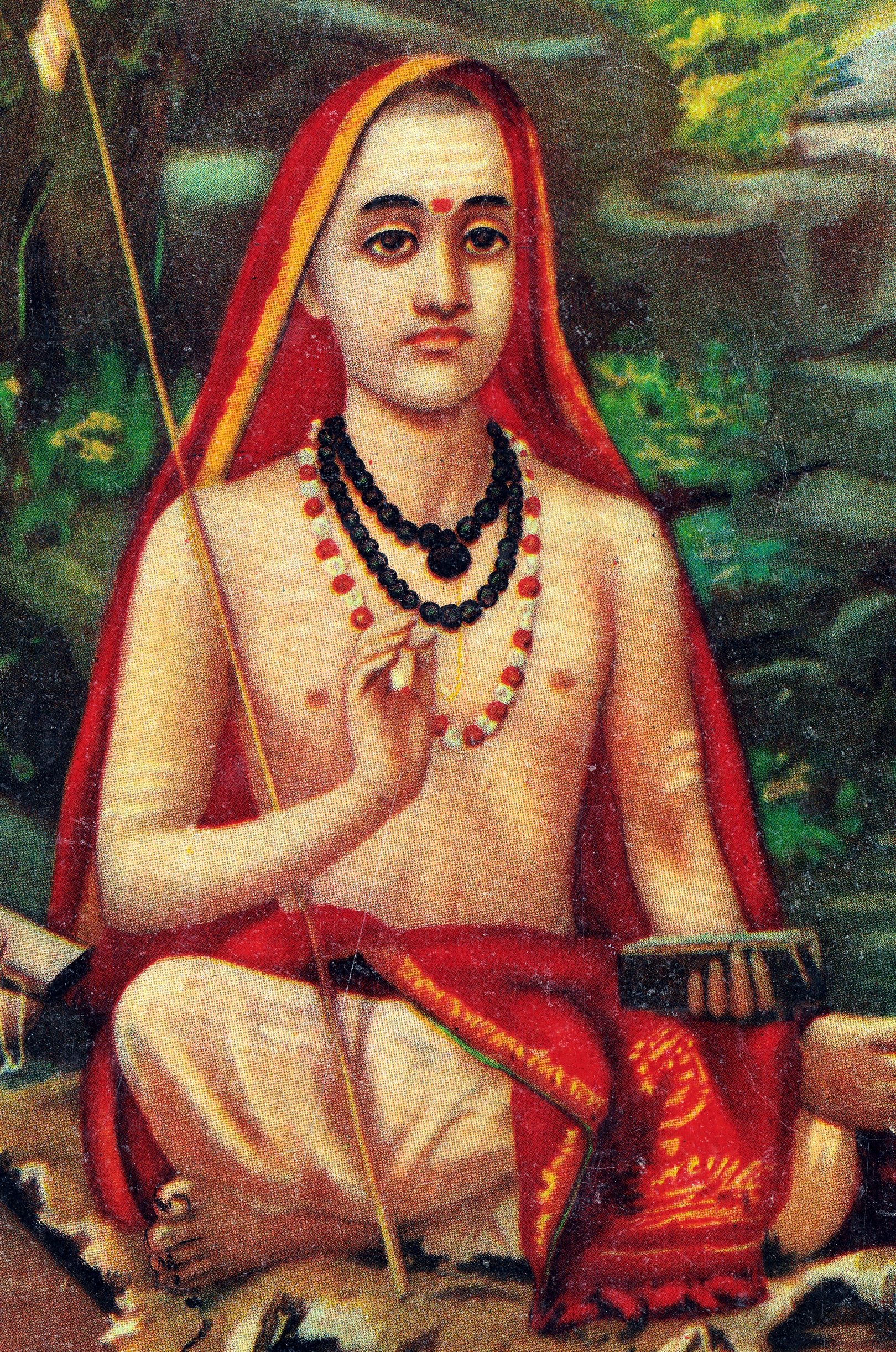
Advaita Vedanta, later systematized by Adi Shankara, held that everything is one and that the apparent multiplicity of distinct entities is an illusion. Ramanuja’s Vishishtadvaita Vedanta defended a different view, arguing that individual entities are real as aspects or parts of an underlying unity.
What ties this tradition together is the refusal to split intellectual and spiritual life into separate boxes. To understand reality, one must also ask how knowledge is possible and what kind of life leads to liberation.
Chinese philosophy: wisdom for conduct, government, and self-cultivation
Chinese philosophy is especially oriented toward practice. Rather than concentrating first on abstract theory, it focuses on practical questions of right social conduct, government, and self-cultivation.
Self-cultivation means working on oneself through habits and discipline in order to improve one’s character and way of life. It is philosophy not merely as speculation, but as formation.
Many schools arose in the 6th century BCE during a period of political turbulence. The two most prominent were Confucianism and Daoism.
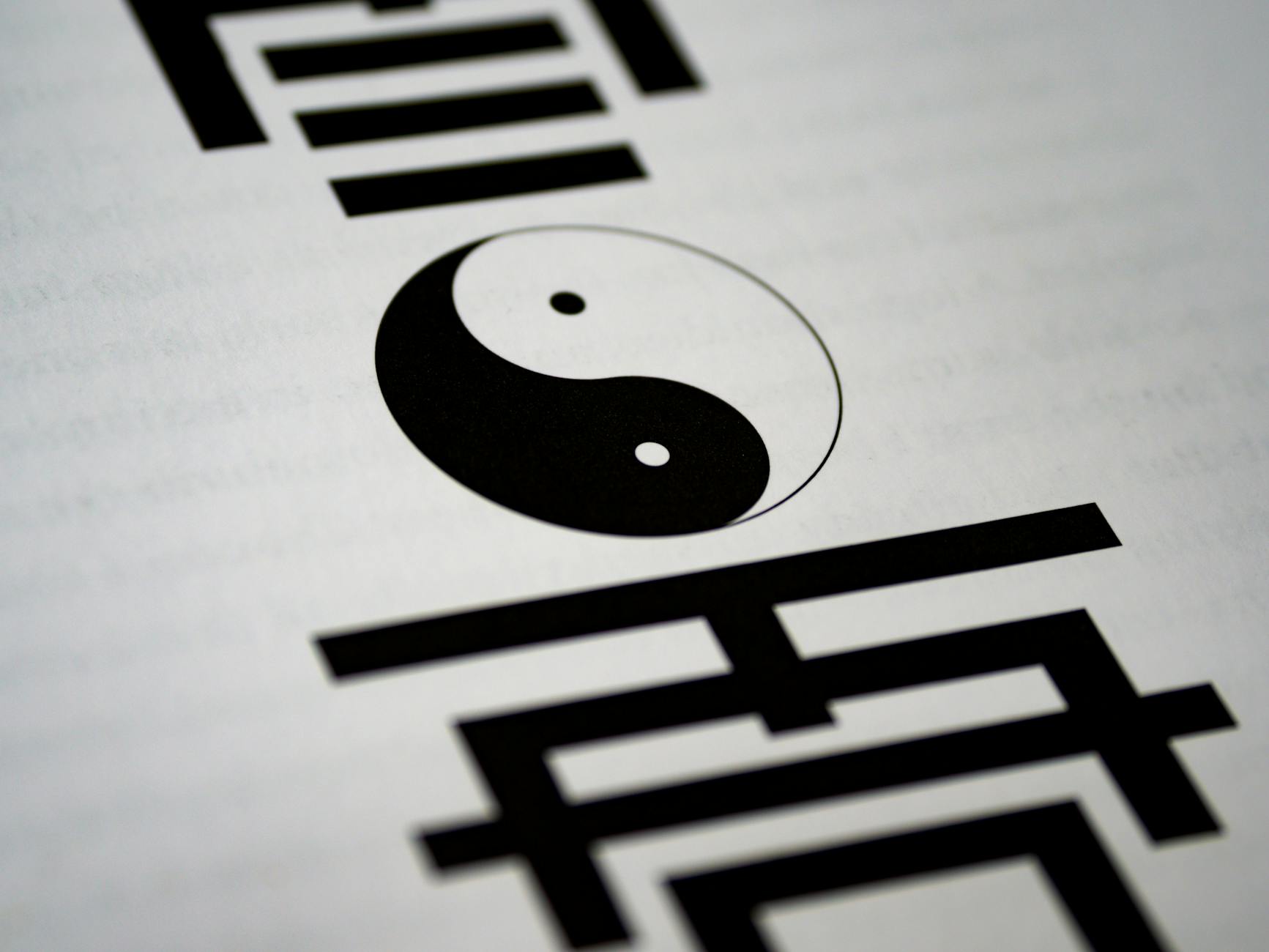
Confucianism, founded by Confucius, explored moral virtues and how they contribute to harmony in society. This makes ethics and politics deeply connected: good character is not just personal, but social. Daoism, associated with Laozi, examined how people can live in harmony with nature by following the Dao, or natural order of the universe.
Other influential schools included Mohism, which developed an early form of altruistic consequentialism, and Legalism, which stressed the importance of a strong state and strict laws.
Later developments expanded this practical focus in new directions. Buddhism entered China in the 1st century CE and developed into new forms. Xuanxue, beginning in the 3rd century CE, offered interpretations of earlier Daoist works with an emphasis on metaphysical explanation. Neo-Confucianism, emerging in the 11th century CE, systematized earlier Confucian teachings and sought a metaphysical foundation for ethics.
Even with these developments, the distinctive center of Chinese philosophy remained remarkably steady: how human beings should live, govern, cultivate themselves, and find harmony with one another and with nature.
Different aims, shared seriousness
These four traditions show that philosophy is not a single road with a single finish line. Western philosophy became known for its breadth of subfields and its wide-ranging theoretical questions. Arabic–Persian philosophy made the meeting point of reason and revelation a central intellectual challenge. Indian philosophy joined inquiry into reality and knowledge with the search for enlightenment. Chinese philosophy treated wisdom as something lived through conduct, government, and self-cultivation.
Yet all of them share the marks of philosophy in the deeper sense: they ask general and fundamental questions, pursue systematic understanding, and reflect critically on assumptions. They are all, in different ways, expressions of humanity’s search for wisdom.
And that may be the most important lesson of all. Philosophy does not belong to one culture or one method. It is a global effort to understand what is real, what is true, and how a human life should be lived.