In the post-classical world, trade routes tied together cities, empires, and whole regions across Afro-Eurasia. Merchants carried silk, spices, gold, and ideas. Pilgrims crossed deserts and seas. Armies marched along the same corridors. But these expanding networks had a deadly side: they also gave disease new ways to travel.
The period from about 500 CE to about 1450 or 1500 saw major growth in long-distance exchange. The Silk Road linked China, Central Asia, the Middle East, and Europe. Sea trade connected the Mediterranean and the Indian Ocean. These systems helped create a more connected world, but they also made it easier for epidemics to spread far beyond their places of origin. In this era, plague was not just a medical event. It was a force that destabilized empires, changed labor systems, and redirected economic history.
Watch the story on DeepSwipe

When connection became vulnerability
One of the defining features of the post-classical era was the rapid expansion of communication and trade across Afro-Eurasia. The Silk Road spread goods, cultures, religions, and languages. Islamic sea trade linked the Mediterranean, North and West Africa, Central Asia, and the Indian Ocean world. Under the Mongol Empire, trade became even easier across a vast stretch of Eurasia because political stability allowed merchants, travelers, and ideas to move with less resistance.
That same connectivity made disease harder to contain. In the Eurasian world, outbreaks were a recurring part of life, and Europe in particular faced minor disease outbreaks every decade during the period. Land routes and sea routes both served as channels for pandemics. A disease no longer had to remain local. Once it entered a major commercial system, it could move from port to port or caravan stop to caravan stop.
This is why plague can be understood as a dark companion to globalization before the modern age. The same routes that carried prosperity also carried mortality.
The Plague of Justinian and the first great shock
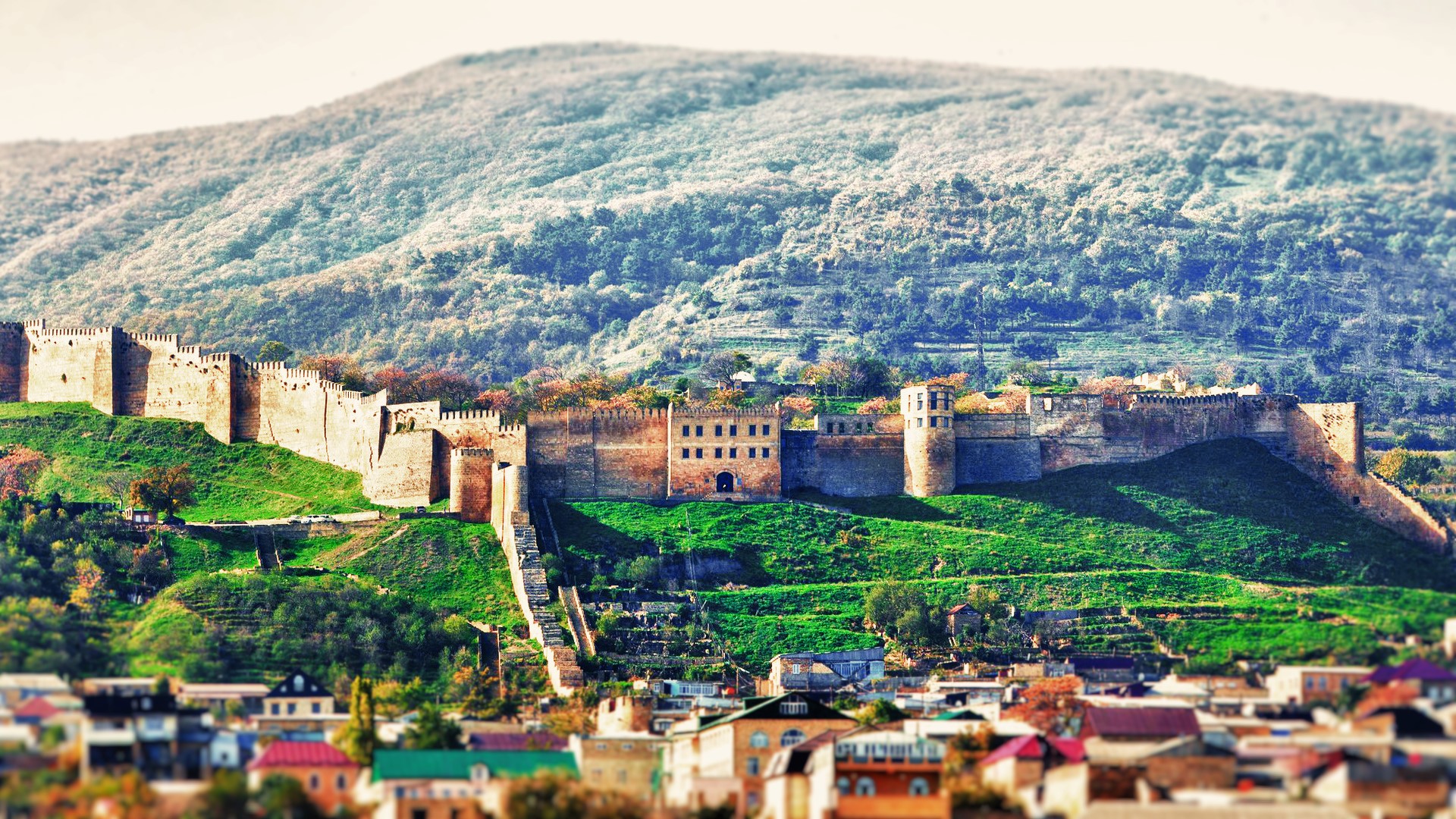
The first plague pandemic of the period began with the Plague of Justinian in 541–549. It was caused by Yersinia pestis, the bacterium associated with bubonic plague. Historians debate the exact origin of this outbreak. The epidemic’s origin remains uncertain, though East Africa has been suggested as one possibility, and the broader origin of the plague appears linked to the Tian Shan mountains in Kyrgyzstan.
What matters most for world history is the scale of the disruption. The plague spread into Europe and West Asia, and possibly into East Asia. Established urban civilizations were massively depopulated. In cities, the economic and social fabric of major empires was severely destabilized. Rural societies also suffered horrific death tolls, though the social and economic effects there were often less dramatic.
The Mediterranean world was hit especially hard. A major outbreak in Europe in 542 caused the deaths of about a quarter of the Mediterranean’s population. Trade between Europe, Africa, and Asia along long-distance routes was at least partly responsible for that spread.
This first pandemic did more than kill. It weakened the great powers of the Near East at a critical moment.
How plague helped break the old order
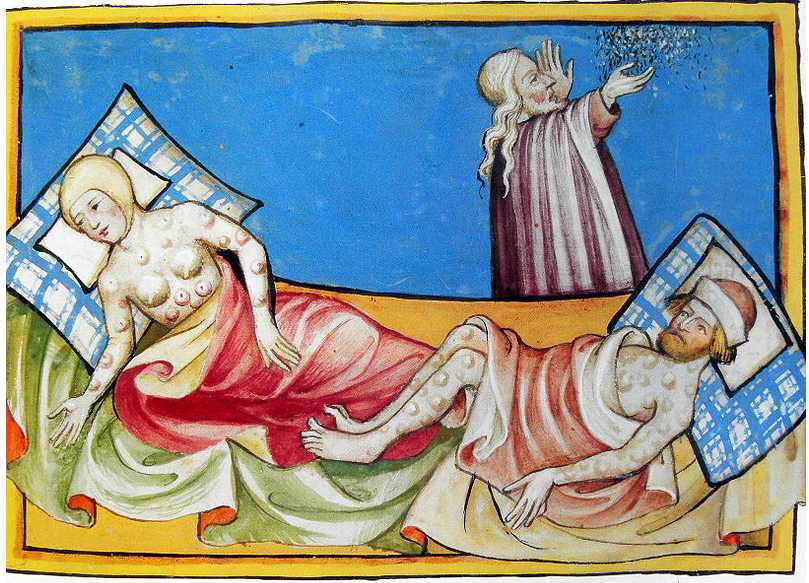
Before the rise of Islam, the Middle East was dominated by two exhausted rivals: the Byzantine Empire and the Sasanian Empire. These powers had already fought each other repeatedly, and the long Byzantine–Sasanian War of 602–628 further drained their strength. The plague added another brutal layer of damage.
The severe loss of manpower in the Byzantine and Sasanian empires helped create conditions that favored the early Muslim conquests. Fewer workers meant weaker economies. Fewer soldiers meant reduced military resilience. When Muslim armies expanded rapidly under the early caliphates, they encountered two states already battered by warfare and disease.
This makes plague an important historical turning point. It did not act alone, but it contributed to a profound shift in power. The old imperial balance in the eastern Mediterranean and Near East was broken, and a new Islamic political order emerged across much of the region.
The aftershocks of the Plague of Justinian continued until around 750. Only after that did many affected societies begin a more substantial economic recovery.
The Black Death and the second pandemic
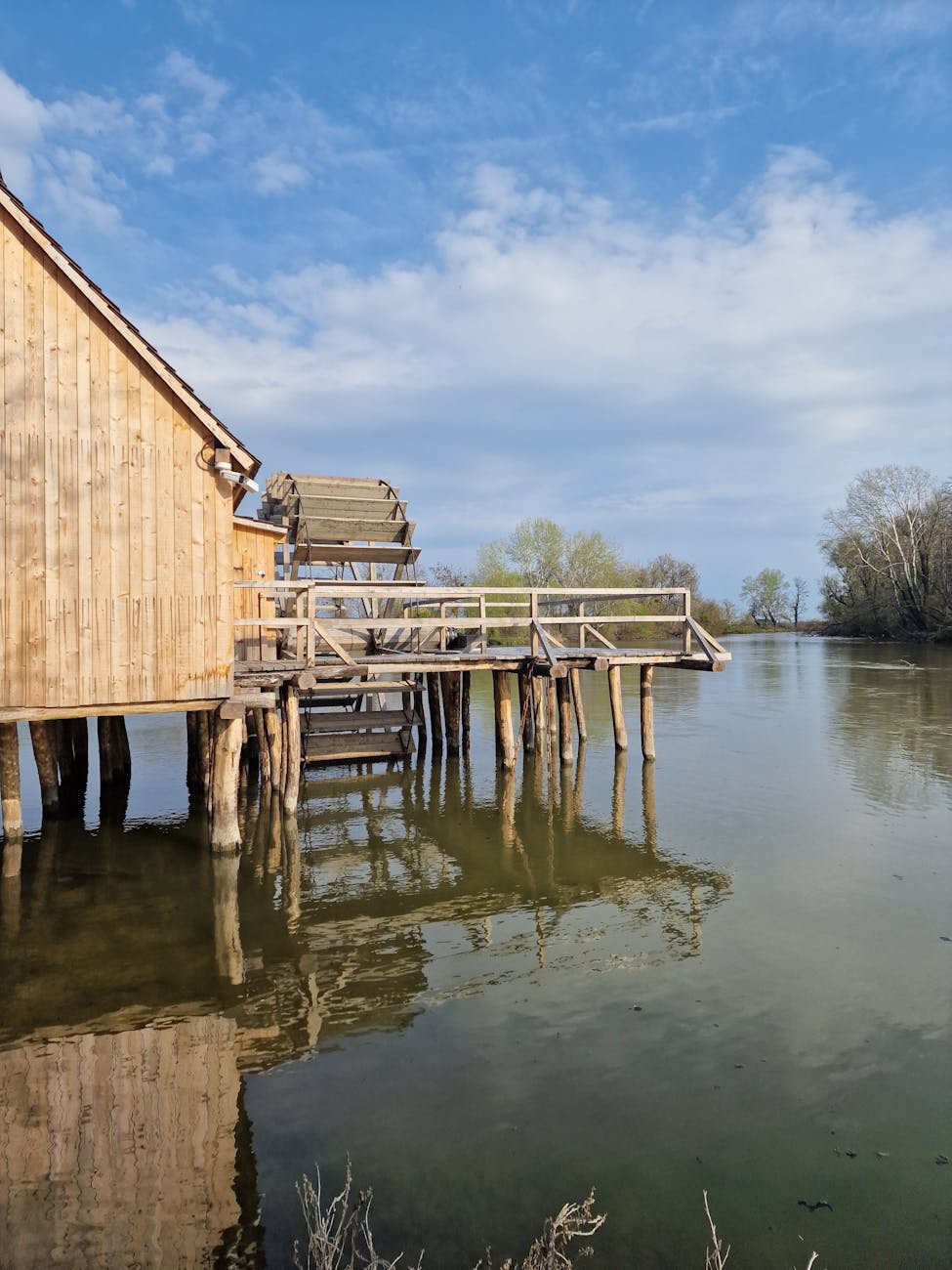
Roughly six centuries later, plague returned on a catastrophic scale. The first phase of the second plague pandemic, known as the Black Death, struck between 1347 and 1351. It killed somewhere between 25% and 50% of populations.
Its exact path remains debated. Older interpretations often argued that it began in China and moved westward with Mongol expansion, carried unintentionally by infected fleas and rats. But the evidence is not conclusive, and historians now treat that idea with caution. Direct evidence for the Black Death beyond western Eurasia is limited, and some scholars consider a Chinese origin for a westward-moving plague unlikely given the political fragmentation of the Mongol world and the huge distance involved.
Even where uncertainty remains, the impact is beyond doubt. The Black Death devastated communities across Eurasia and became one of the most consequential demographic disasters in history.
Why trade routes spread plague so effectively
The Silk Road was central to the movement of goods and ideas across Eurasia, but it was also vulnerable to spreading disease. This route, along with linked maritime systems, connected densely populated regions that otherwise would have remained more isolated.
The plague was not only a problem of caravans crossing Central Asia. Merchant ships mattered too. In the 14th century, rats carried disease aboard ships moving across the Mediterranean. This helped bring the plague to Sicily in 1347 and triggered a wider epidemic.
Sea trade and overland trade worked together to form a web of transmission. A pathogen entering one busy node in that web could be carried onward by commerce, pilgrimage, or war. In this sense, plague followed the logic of the post-classical world itself: growing interconnection produced both opportunity and danger.
Economic life after mass death
Disease changed more than population totals. It altered how societies worked.
In Western Europe, the massive loss of life from the Black Death created lasting economic change. Wage labor rose as surviving workers became more valuable. Labor-saving machines and mechanisms gained importance. These developments pushed parts of Europe onto new economic paths.
This shift is crucial because it shows that plague was not simply a disaster followed by recovery. It restructured incentives. When labor became scarce, employers and landholders had to adapt. Economies could no longer rely on the same assumptions as before.
The changes reached beyond wages. Many economies became more specialized, focusing on particular goods while seeking expansion elsewhere for exotic resources and slave labor. These long-term changes tied demographic collapse to wider economic transformation.
Social and political consequences across Eurasia
Plague also reshaped belief, authority, and political behavior. In times of mass mortality, rulers and institutions had to explain catastrophe. Different societies reacted in ways shaped by their own traditions. In France, the Catholic Church spoke of healing miracles. Confucian bureaucrats in China linked sudden deaths of emperors to the loss of a dynasty’s Mandate of Heaven, a concept used to explain and justify the rise and fall of rulers.
These responses mattered because disease outbreaks were never just biological events. They tested legitimacy. They raised questions about divine favor, political competence, and social order.
The long-term trade balance of Eurasia also shifted after the first plague pandemic. Overland trade diminished, while coastal Indian Ocean trade became more frequent. That means plague may have helped redirect the geography of exchange itself, not just the fortunes of individual states.
A world transformed by invisible travelers
Post-classical history is often remembered for empires, religions, and trade. Yet one of its most powerful historical actors was microscopic. Plague moved along the arteries of a more connected world and repeatedly exposed the risks built into that connectivity.
The Plague of Justinian helped destabilize the Byzantine and Sasanian worlds at a moment of political vulnerability. The Black Death later wiped out between a quarter and a half of populations in its first wave and transformed labor, production, and economic organization. Across centuries, pandemics did not merely interrupt history. They redirected it.
That is the deeper lesson of plague in the post-classical era: roads, ports, and markets can build civilizations, but they can also carry the forces that undo them. In a world increasingly linked by movement, disease became one of history’s most ruthless agents of change.