Why AI Can Sound Certain—and Be Wrong
Some modern chatbots create text by repeatedly predicting the next word, part of a word, or punctuation mark. This can produce remarkably human-like writing.AI Chatbots: Why Fluent Answers Can Be False
It Learns Patterns, Not Guarantees
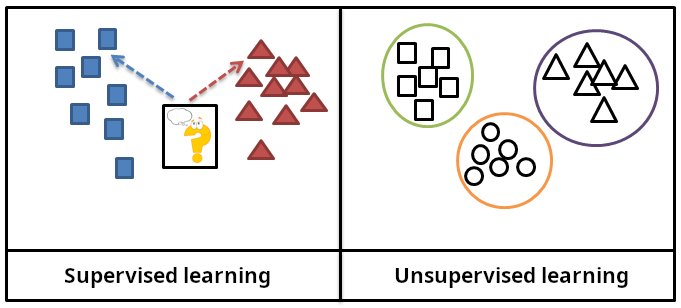
During training, GPT-style models learn relationships between words from enormous amounts of text. A later stage tries to make their answers more truthful, useful, and safe.AI Chatbots: Why Fluent Answers Can Be False
