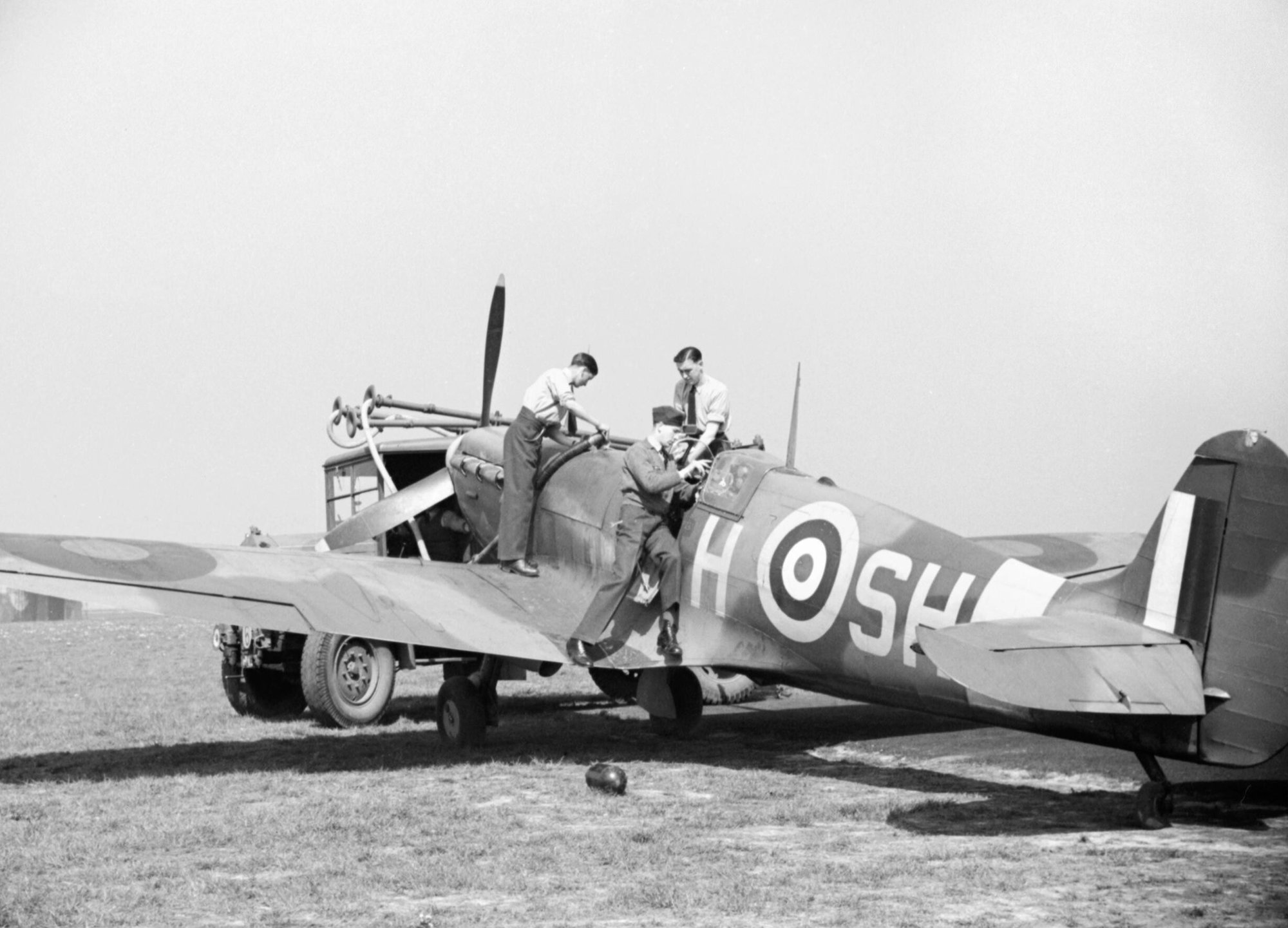
Ground staff refuel a Supermarine Spitfire Mk VB of No. 64 Squadron RAF at Hornchurch, 7 May 1942. This image is part of a sequence of five photographs taken on 7 May 1942 at Hornchurch, and later released by the Ministry of Information to illustrate a typical offensive operation. In the bright spring sunshine, a No 64 Squadron Spitfire VB is readied for another sortie.

Germany came terrifyingly close

In late August and early September 1940, repeated attacks hammered RAF airfields in southeast England. Many historians see this as the battle's most dangerous moment.

Battle of Britain: The Target Shift That Saved the RAF
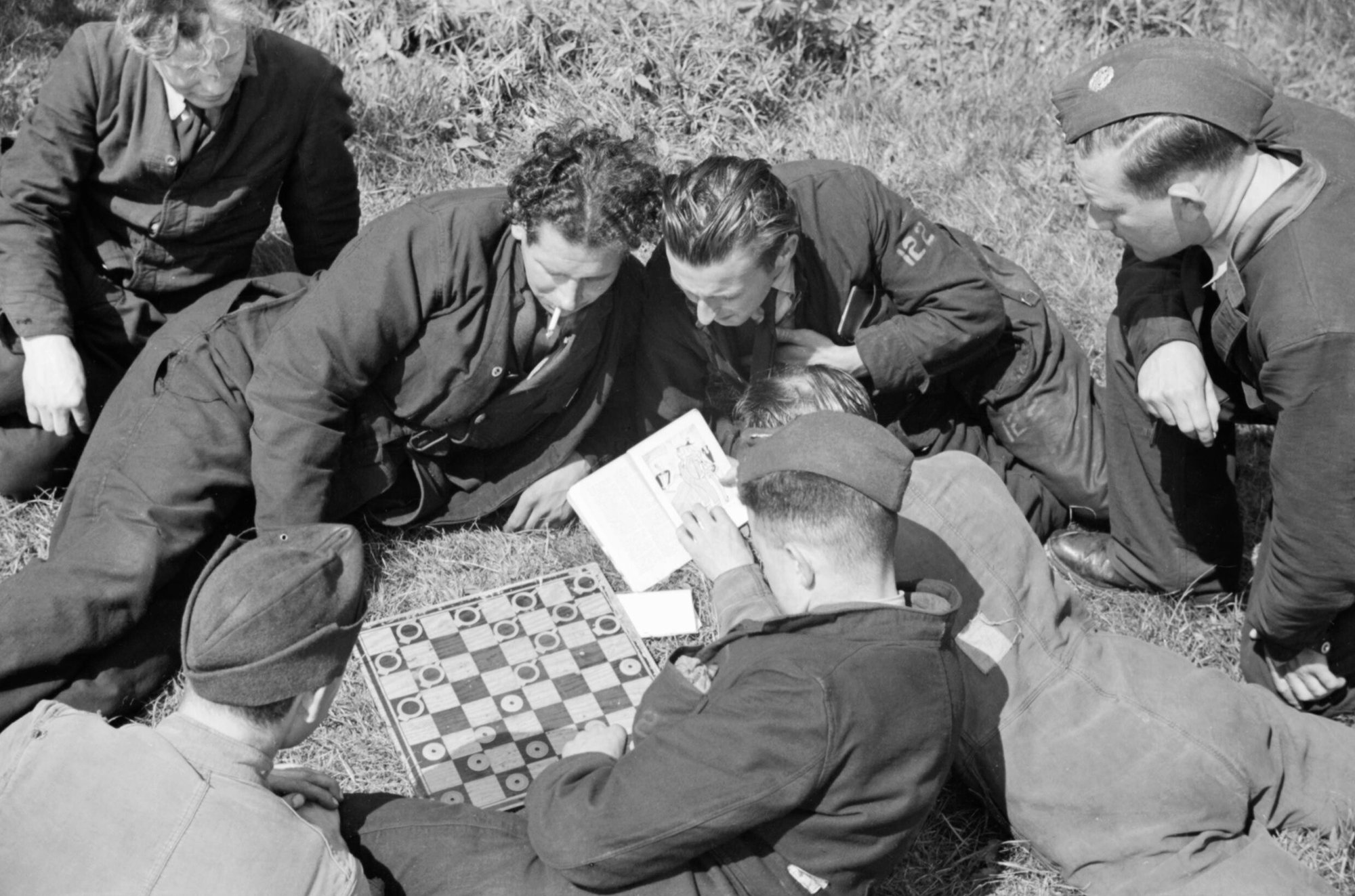
Groundcrew from No. 122 Squadron RAF play a game of draughts while waiting for their aircraft to return from an operation over France, Hornchurch, 7 May 1942. This image is part of a sequence of five photographs taken on 7 May 1942 at Hornchurch, and later released by the Ministry of Information to illustrate a typical offensive operation. In this photograph we see members of No 122 Squadron while away the time with a game of draughts - using washers and circlips as playing pieces - as they return for the Spitfires on operation to return.

Why the pressure was so intense

From 24 August, the Luftwaffe focused on knocking out Fighter Command's airfields and ground network. Key sector stations like Biggin Hill and Hornchurch were hit again and again, while Britain also faced a shortage of fully trained fighter pilots.

Battle of Britain: The Target Shift That Saved the RAF