Full article · 7 min read
Climate Change and the Race to Follow Shifting Climate Zones
A small change in average temperature can have surprisingly large effects on where life can survive. When mean annual temperature shifts by 3 °C, climate zones in temperate regions can move roughly 300–400 kilometers in latitude or about 500 meters upward in elevation. That means the conditions many plants and animals depend on do not stay put. Their preferred environment effectively slides across the map.
This is one of the clearest ways to understand climate change: not just as warmer air, but as a relocation of the conditions that define where species can live. For living things adapted to a certain temperature range, moisture pattern, and seasonal rhythm, a moving climate can mean a moving target.
Climate is More Than Daily Weather
To understand why this matters, it helps to start with the difference between weather and climate. Weather is the day-to-day state of the atmosphere: today’s temperature, rain, wind, or cloud cover. Climate is the long-term pattern, usually averaged over 30 years. It includes not only averages, but also the variability of important measurements such as temperature, precipitation, wind, humidity, and atmospheric pressure.
That long-term view matters because species are not adapted to a single hot day or cold night. They are adapted to recurring patterns over time. Climate sets the broader environmental background for life.
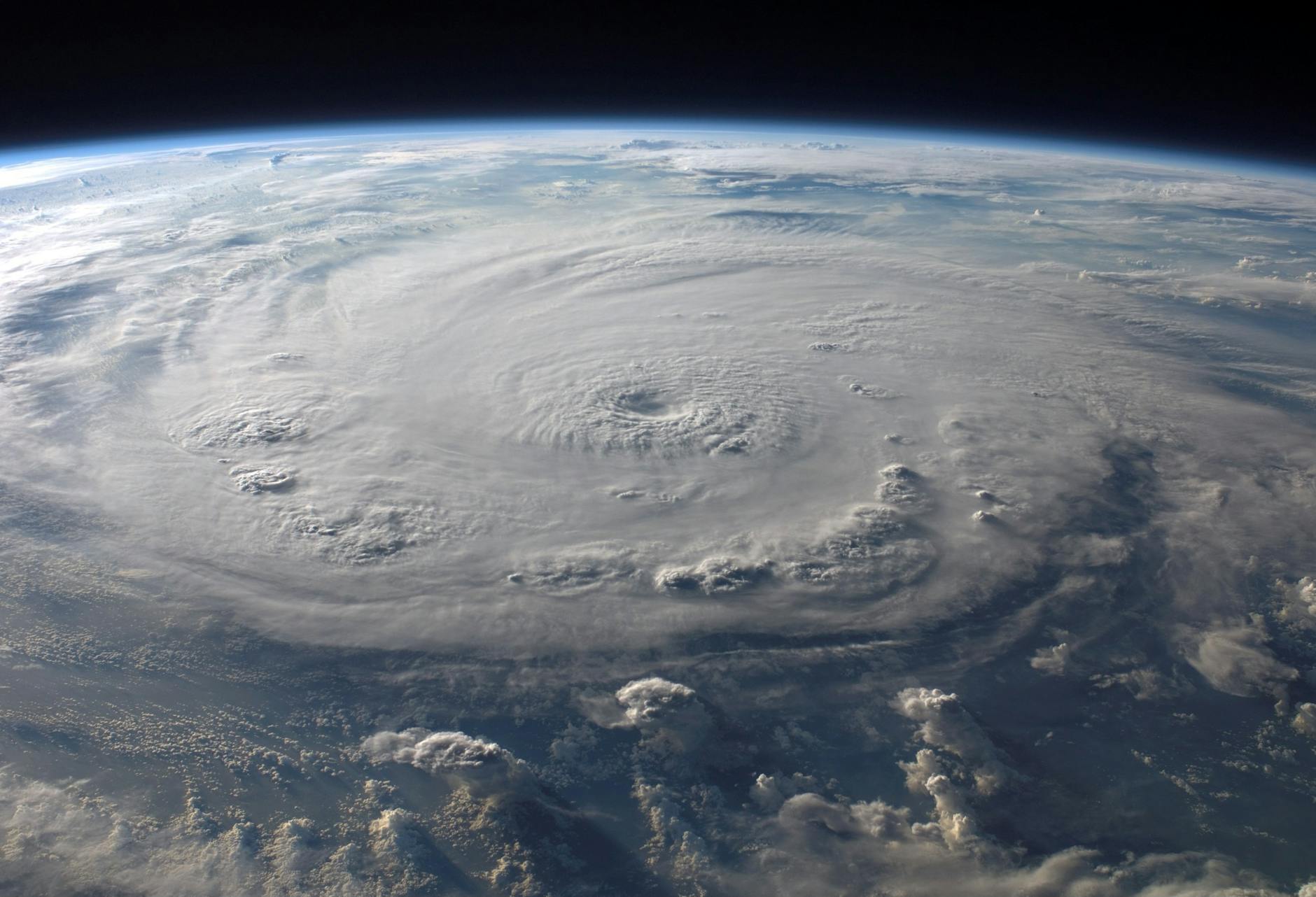
In a wider sense, climate is tied to the whole climate system, including the atmosphere, hydrosphere, cryosphere, lithosphere, and biosphere. In simple terms, that means air, water, ice, land, and living things are all connected. The interactions between them help shape the conditions found in a region.
Why Climate Zones Shift
The climate of a place is influenced by many factors, including latitude, longitude, terrain, altitude, land use, and nearby water bodies and their currents. Some of these controls are relatively stable over long periods, while others can change more dynamically.
Climate change is the variation in global or regional climate over time. It can reflect changes in the average state of the atmosphere or in its variability, across timescales ranging from decades to millions of years. These changes may be caused by processes internal to the Earth, external forces such as variations in sunlight intensity, or human activities.
In recent usage, the term often refers to changes in modern climate, including the rise in average surface temperature known as global warming. Recent warming is especially important for species because temperature is one of the main features used to define climate zones.
A climate zone is an area with characteristic long-term conditions, often described using temperature and precipitation. Classification systems such as the Köppen climate classification group regions with similar climate patterns. Even though such systems draw boundaries on maps, climate does not usually change in abrupt steps in nature. Instead, it often shifts gradually across landscapes.
When average temperatures rise, those zones tend to shift as well. In temperate regions, a 3 °C change in mean annual temperature corresponds to a shift in isotherms of approximately 300–400 kilometers in latitude or 500 meters in elevation. Isotherms are lines connecting places with the same temperature. If those lines move, the suitable climate for many species moves with them.
Species May Need to Move Uphill or Poleward
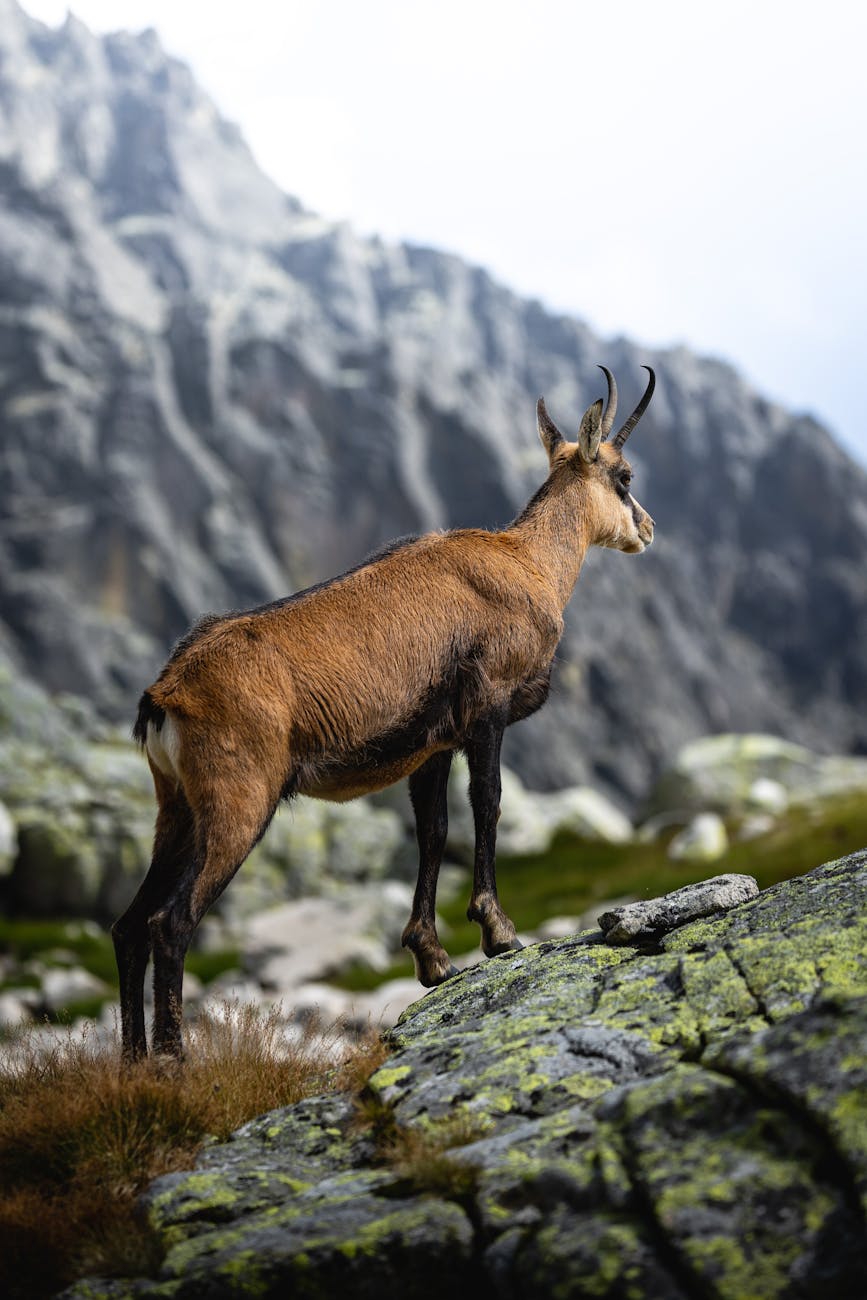
As climate zones shift, species are expected to move upward in elevation or toward the poles in latitude. This is a direct ecological consequence of changing climate patterns.
Latitude refers to how far north or south a place is. Moving toward the poles generally means moving into cooler conditions. Elevation refers to height above sea level. Moving higher up a mountain also usually means cooler temperatures. So if a species is adapted to a certain climate, one way to remain within that familiar range is to shift northward, southward in the opposite hemisphere, or uphill.
What makes this striking is the scale. A 3 °C change in average yearly temperature may sound modest at first glance, especially compared with daily temperature swings. But climate is about long-term averages, and even a shift of a few degrees in those averages can redraw the geographic pattern of suitable conditions.
For ecosystems, this creates the possibility of relocation, disruption, or both. The local climate that supported a community of organisms may drift away from that location over time.
Why a “Small” Average Change Is Not Small
Average temperature can be misleading if it sounds too abstract. Climate science often works with long-term means because they reveal broad shifts that daily weather can hide. A place can still have cold days, hot days, storms, and seasonal variation while its long-term climate steadily changes.
That is why the difference between climate and weather is often summarized as: climate is what you expect, weather is what you get. Species respond to those expectations over time. They are shaped by repeated seasonal patterns, not just isolated events.
If the mean annual temperature changes enough to shift climate zones hundreds of kilometers, then the consequences for life can be geographically dramatic. The map of thermal comfort is no longer fixed. Areas that were once suitable may become less suitable, while areas farther poleward or higher in elevation may begin to resemble the old climate.
Climate, Biomes, and Living Systems
Climate classification often correlates closely with biome classification because climate is a major influence on life in a region. A biome is a broad ecological community shaped by environmental conditions. Since climate strongly influences temperature and precipitation patterns, it helps determine what kinds of living systems can persist in a place.
This is why redistributions of biota are an important part of climate change. “Biota” simply means the living organisms of an area. When climate zones shift, the organisms associated with those conditions may shift too.
The broader climate system also helps explain why these changes can ripple through whole regions. Climate is not just air temperature. It involves interactions among atmosphere, oceans, land, ice, and living things. Changes in one part of the system can affect the others.
Climate Records Show Change Across Time
Scientists understand climate by studying both modern records and past climates. Modern climate records come from measurements made with instruments such as thermometers, barometers, and anemometers over the past few centuries. Since the 1960s, satellites have made it possible to gather records on a global scale, including over oceans and in regions with little human presence.
To look further back, paleoclimatology studies ancient climates using proxy evidence such as ice sheets, tree rings, sediments, pollen, coral, and rocks. A proxy is an indirect clue that helps reconstruct the climate of the past when direct measurements do not exist.
These records show that Earth’s climate has changed before, with periods of stability and periods of change. But the modern concern is not merely that climate can change. It is that current warming is linked to rapid shifts in the conditions species rely on.
Climate Change as a Moving Map for Life
Seen this way, climate change is not just a story about numbers on a thermometer. It is a story about movement. If isotherms move 300–400 kilometers across temperate landscapes or 500 meters up mountains, species may be forced to track those changes to remain in familiar climate conditions.
That makes climate change a spatial problem as much as a thermal one. The issue is not only whether conditions become warmer, but where the old conditions go.
For organisms tied to particular climate ranges, this can mean a race with geography. Their required environment may shift uphill, poleward, or both. The result can be ecological reshuffling across regions, as the long-term patterns that define where life can thrive are redrawn.
In that sense, climate change creates a moving map for life itself. And even what seems like a modest shift in average temperature can send that map sliding a very long way.
Sources
Based on information from Climate.
Chase the moving map of knowledge too — download DeepSwipe and follow fascinating ideas wherever they shift next.