Full article · 7 min read
What Counts as Literature?
The answer sounds simple until you try to pin it down. Is literature only great novels, poems, and plays? Or does it also include diaries, essays, oral storytelling, and digital writing? The idea of literature has never been fixed. In fact, one of the most interesting things about literature is that its boundaries keep shifting.
A definition that keeps expanding
In early Western Europe, the word “literature” referred broadly to all books and writing. That older meaning was wide and practical: if it was written down, it could fall under literature. Over time, the meaning narrowed in some contexts to works considered an art form, especially novels, plays, and poems.
But the modern picture is broader again. Literature can include both print and digital writing. It can also include oral literature, a term used for spoken or sung works that were passed down by memory and performance before being written down. That means literature is not just a shelf of printed classics. It can also be a living tradition carried by voices.
This broader view also makes room for popular and minority genres, not just canonical works. In other words, literature is no longer limited to an elite set of texts. The category has stretched to include many kinds of expression and many different communities.
From Latin letters to spoken stories
The word itself has a revealing history. “Literature” comes from the Latin literatura or litteratura, meaning learning, writing, or grammar, and originally “writing formed with letters.” At first glance, that seems to tie literature tightly to writing.
Yet the term is also used for spoken or sung texts. That may sound contradictory, but it reflects how human cultures actually preserve stories, knowledge, and values. The label may come from letters, but the practice of literature reaches beyond them.
This is why people sometimes refer to literature simply as “writing,” especially creative writing, and also as “the craft.” The word “craft” suggests that literature is not just information on a page. It is something made, shaped, and refined.
Oral literature is not a contradiction
Some people hear the phrase “oral literature” and think it must be a mismatch. If literature is based on letters, how can it be oral? That tension has long been noticed, and alternatives such as “oral forms” or “oral genres” have been suggested. Even so, “oral literature” remains widely used.
The reason is simple: oral traditions have always been one of humanity’s main ways of recording and transmitting knowledge, entertainment, law, history, and belief. The earliest poetry is believed to have been recited or sung, serving as a way to remember genealogy, law, and historical memory.
Oral literature appears across the world. Australian Aboriginal culture has long thrived on oral traditions and oral histories passed down through tens of thousands of years. In south-western Victoria, oral histories of the Gunditjmara people tell of volcanic eruptions. Evidence published in 2020 indicated that the Budj Bim and Tower Hill volcanoes erupted between 34,000 and 40,000 years ago, making these traditions especially significant as possible evidence of extremely ancient oral memory.
Oral tradition also shaped major religious and literary traditions in Asia. In ancient India, folklore, mythologies, and scriptures were transmitted orally with great precision using elaborate mnemonic techniques. Early Buddhist texts are also generally believed to have roots in oral tradition. In ancient Greece, the earliest literature was completely oral in nature, and Homer’s epic poetry was largely composed, performed, and transmitted orally.
Seen this way, oral literature is not a lesser form waiting to become writing. It is one of the oldest and most powerful communicative technologies humans have ever had.
Literature as art: the belles-lettres idea
A narrower definition of literature treats it as writing of especially high quality. This is the value-judgment approach: literature is not just any writing, but writing with artistic or intellectual distinction.
A key term here is belles-lettres, a French phrase meaning “fine writing.” It refers to works valued for style, elegance, and literary quality. Under this approach, literature is closer to art than to mere documentation.
That idea appears clearly in the famous description of literature as “the best expression of the best thought reduced to writing.” It is an ambitious definition, and also an exclusive one. It implies that not every written work qualifies. Some texts may inform, record, or instruct, but only certain works rise to the level of literature.
This way of thinking still shapes how many people use the word today. When someone says “literature,” they may mean literary fiction, poetry, drama, and other writing created with artistic merit in mind.
Or is literature broader than art?
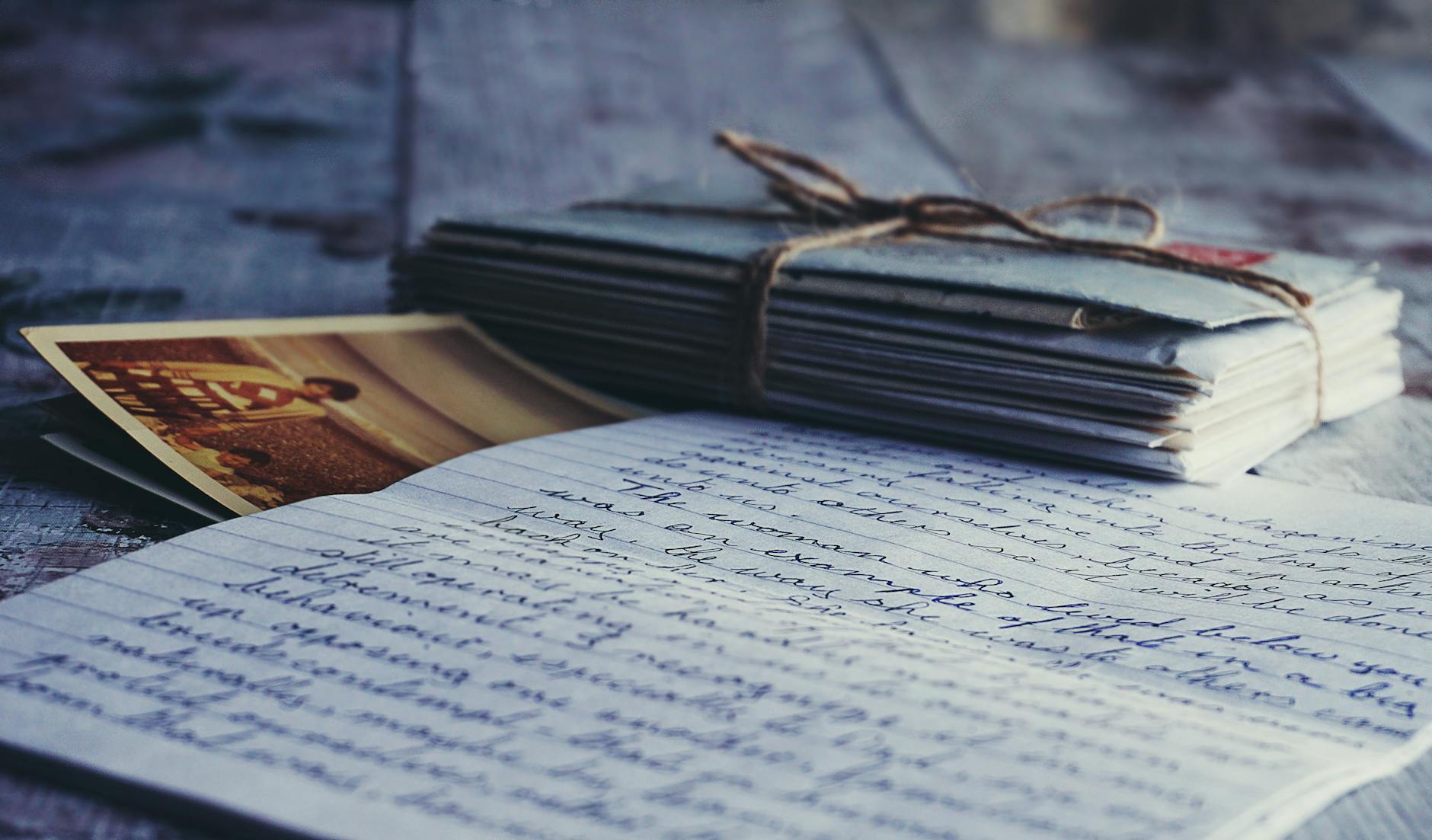
There is another equally important way to understand literature: as any written work, or at least any substantial body of writing on a subject. Under this broader definition, literature includes not only fiction and poetry but also biography, diaries, memoirs, letters, essays, articles, and other non-fiction.
That is why people speak of “the literature” on a topic. In that sense, literature can mean the written record surrounding a field, issue, or body of knowledge.
This broader meaning matters because literature has never served just one purpose. It records and preserves knowledge. It transmits entertainment. It can also play social, psychological, spiritual, and political roles. A diary may not look like a poem, and a philosophical essay may not resemble a novel, but both can still belong within literature depending on how the term is being used.
Print changed the scale of literature
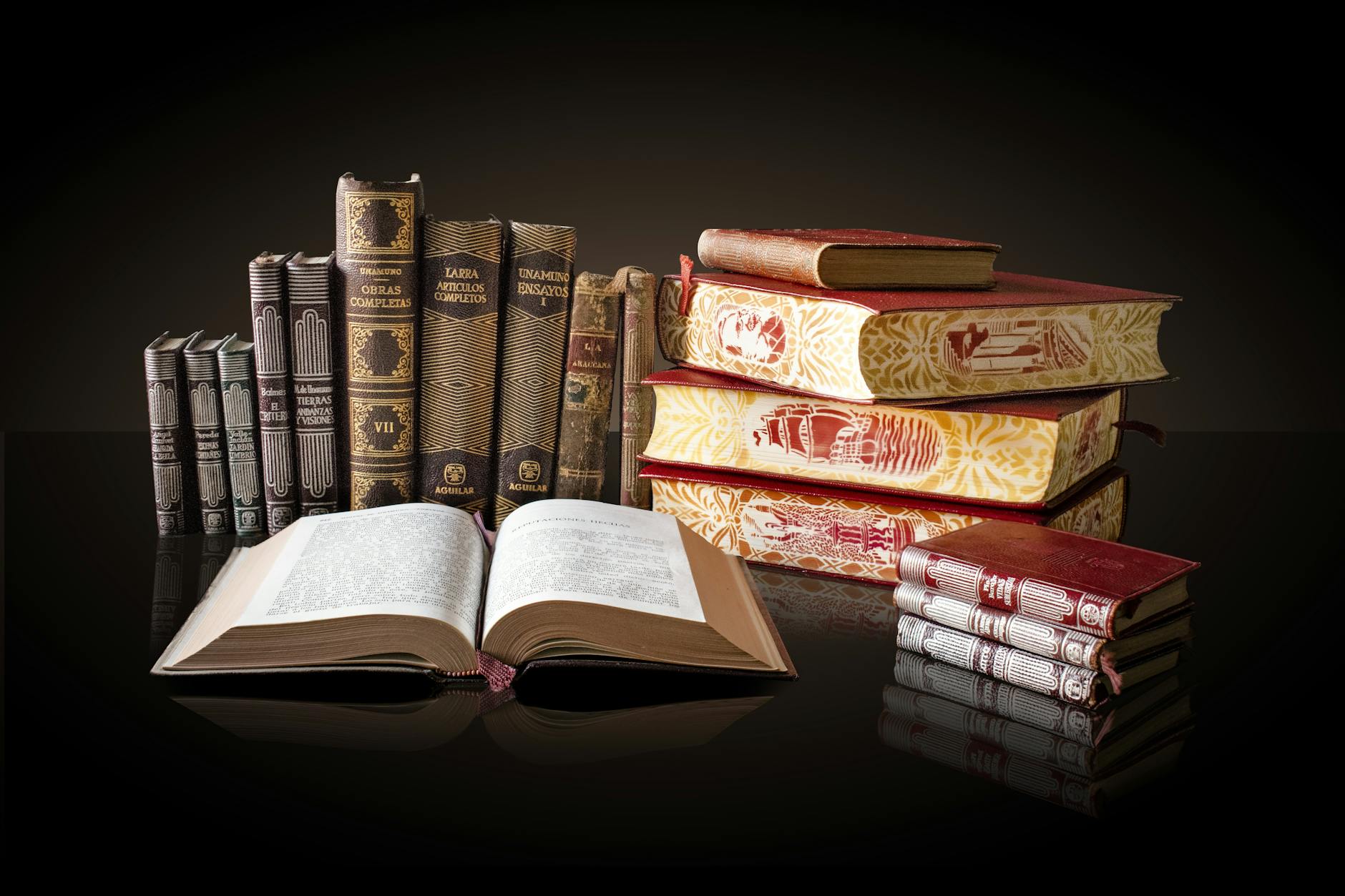
Technology has repeatedly reshaped what literature is and who can access it. Publishing first became possible with writing, but it became far more practical with printing. Before printing, works had to be copied manually by scribes.
Movable type transformed that process. Bi Sheng made movable type of earthenware around 1045, and later developments spread through Korea and eventually Europe. Around 1450, Johannes Gutenberg invented movable type in Europe. This made books less expensive to produce and much more widely available.
The consequences were enormous. Printing encouraged the distribution and proliferation of written works. It also helped controversial, religious, political, and instructional literature spread during the European Renaissance. Over time, printing opened the door not just to more books but to other forms of publishing as well, including newspapers and magazines.
When definitions of literature changed, technology was often part of the reason. The more writing could circulate, the harder it became to restrict literature to a small circle of elite texts.
The digital age blurred the boundaries again
If print expanded literature, digital media complicated it even further. The digital era has blurred the lines between online electronic literature and other forms of modern media.
Electronic literature now exists as a genre of works created exclusively on and for digital devices. At the same time, digital writing overlaps with forms people may not instinctively label as literary. This raises a familiar question in a new form: if literature once stretched from oral performance to print, why not from print to digital creation as well?
The answer increasingly seems to be that literature is defined not by one medium alone, but by a changing relationship between language, form, culture, and value.
Why the debate matters
The question “what is literature?” is not just academic. It shapes what gets taught, preserved, praised, and remembered. Literary criticism, one of the oldest academic disciplines, focuses on the literary merit or intellectual significance of texts. But before critics can judge literature, they have to decide what belongs in the category.
This affects everything from school reading lists to cultural prestige. If literature means only a narrow body of “fine writing,” many voices and forms remain outside the gate. If it includes oral traditions, non-fiction, and digital work, the field becomes much larger and more representative of how humans actually use language.
The debate also matters because literature can influence people deeply. Some researchers suggest that literary fiction may play a role in psychological development. Literature can provoke universal emotions, expose readers to different cultures, and offer new emotional experiences. That gives the question of what counts as literature real human importance.
So what counts?
There is no single final answer. Literature can mean the art of language at its highest level. It can also mean the broader world of written, spoken, sung, printed, and digital expression through which people preserve ideas and experiences.
If you prefer a narrow definition, literature is the realm of artistic writing: poems, plays, novels, and other works admired for style and thought. If you prefer a broad one, literature includes diaries, essays, non-fiction, oral traditions, and digital texts as well.
Both views have a long history. And that may be the clearest conclusion of all: literature is not a fixed box. It is a changing cultural category, shaped by language, technology, tradition, and taste.
That shifting boundary is not a problem. It is part of what makes literature so alive.
Sources
Based on information from Literature.
Redefine your reading list — download DeepSwipe and discover knowledge that stretches from letters to voices.